


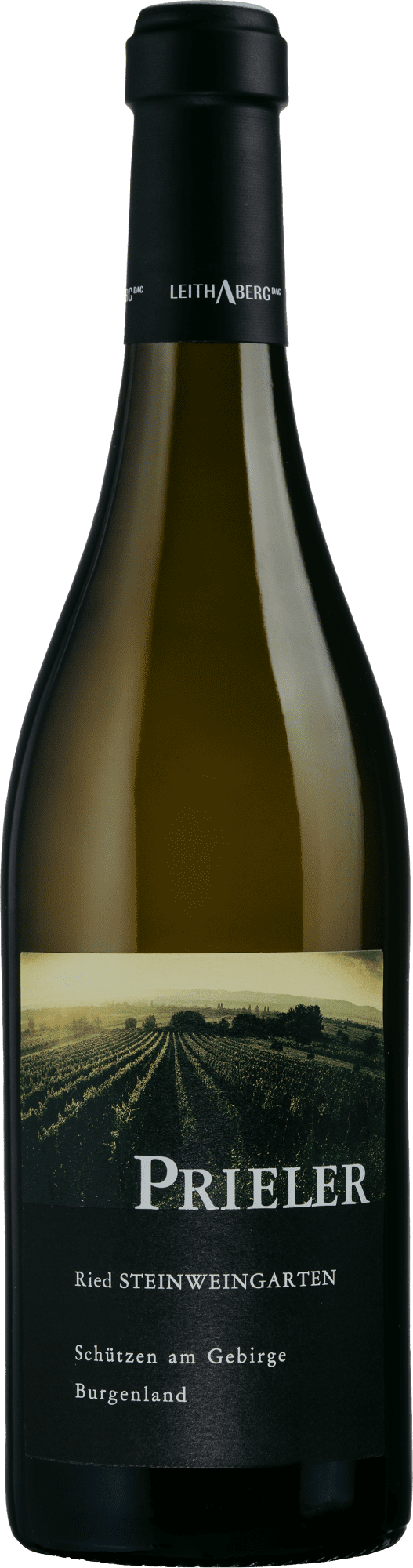
Prieler Pinot Blanc “Steinweingarten” 2022

Pinot Blanc | Burgenland | Austria | White Wine | Weingut Prieler | 2020 | 0,75 L | 13 %
Par
Sausais baltvīns no Leithaberg DAC (Burgenland, Austrija), veidots no 100 % Pinot Blanc vīnogām no augstvērtīgās Ried Steinweingarten viņas. Bioloģiski audzēts, fermentēts nerūsējošā tēraudā, ar īslaicīgu sazināšanos ar lees — radot eleganci, minerālismu un struktūru. Alkoholiskums ap 13 %, atlikušais cukurs ~2 g/l. Piemērots lietošanai 2025–2038.
Piezīmes
Gaiši zeltaini dzeltenā krāsā ar sudrabainiem spīdumiem. Aromātā smalkas lazdu riekstu, mandeļu un baltā pome augļu nianses (bumbieris, persiks), papildinātas ar savvaļas zāļu aromātu un minerālismu. Mutē elegants un sulīgs, ar kraukšķīgu skābumu, saldo piedevu un sāļi minerālu pēcgaršu.
Saderība
Ideāls pie austerēm, viegli gatavotiem jūras ēdieniem, krabja salātiem, dažādu kazas vai svaigu siera varietētēm, kā arī vieglajām baltās gaļas maltītēm.
Noliktavā 4 prece/-es
wine-searcher.com atzīme
96/100
Saistītie Produkti
-
Jean-Noel Haton Brut “Reserve” NV 1,5L
 Original price was: 110,00 €.93,50 €Current price is: 93,50 €.
Pievienot
Original price was: 110,00 €.93,50 €Current price is: 93,50 €.
Pievienot -
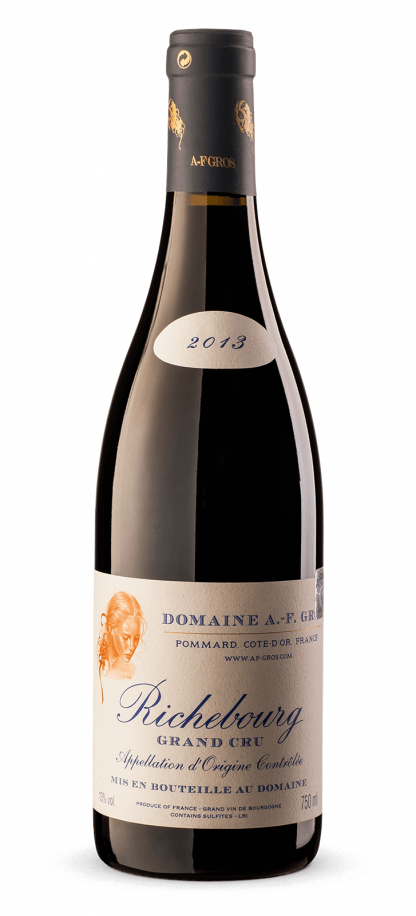
A.-F. Gros Richebourg Grand Cru 2021
 1 230,00 €
Pievienot
1 230,00 €
Pievienot -
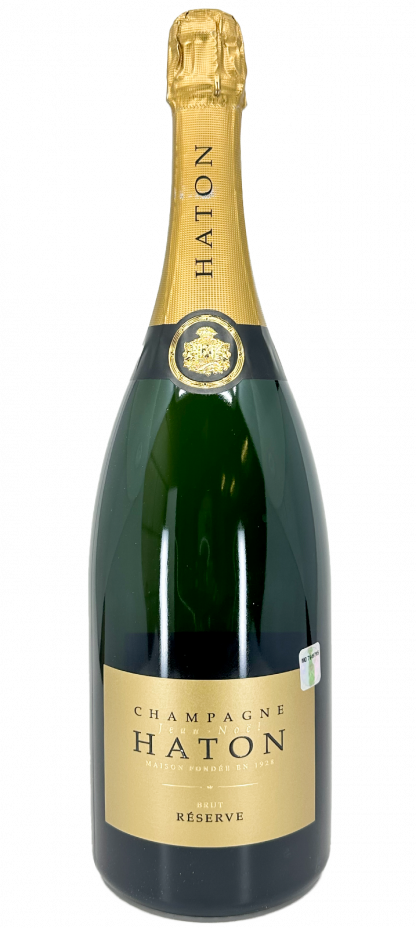
Jean-Noel Haton Brut “Reserve” Jeroboam
Original price was: 340,00 €.289,00 €Current price is: 289,00 €.
Pievienot -
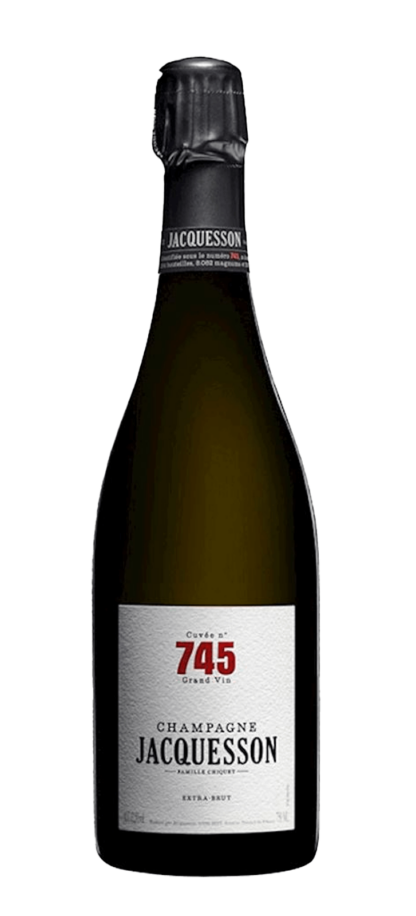
Jacquesson Extra-Brut “Cuvee 746”
88,00 €
Pievienot -
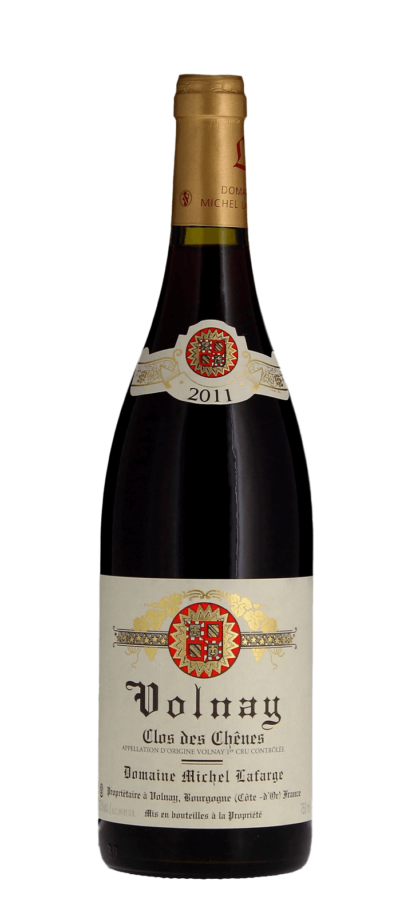
Lafarge Volnay 1er Cru “Clos des Chenes” 2019
350,00 €
Pievienot -
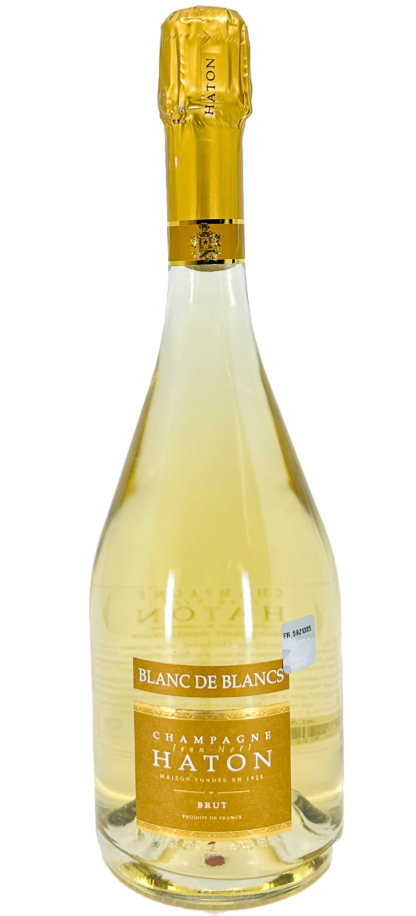
Jean-Noel Haton Brut Blanc de Blancs
57,00 €
Pievienot -
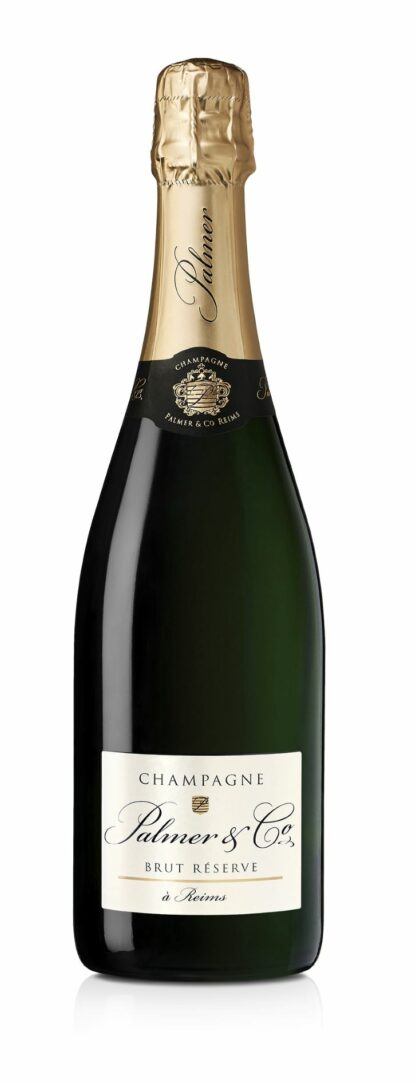
Champagne Palmer & Co Brut “Reserve” NV
59,29 €
Pievienot -
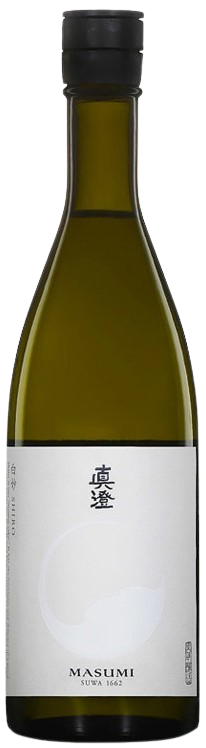
Miyasaka Sake Junmai Ginjo “Masumi Shiro White”
29,16 € Pievienot -
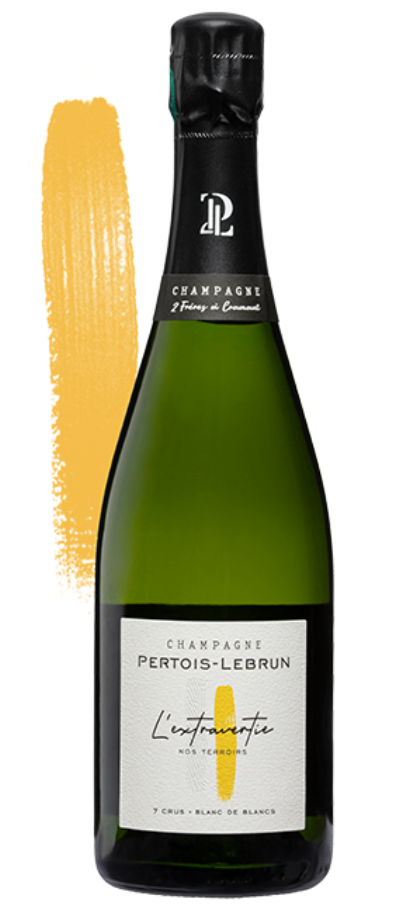
Pertois-Lebrun Blanc de Blancs “L’Extravertie” NV
58,90 €
Pievienot -
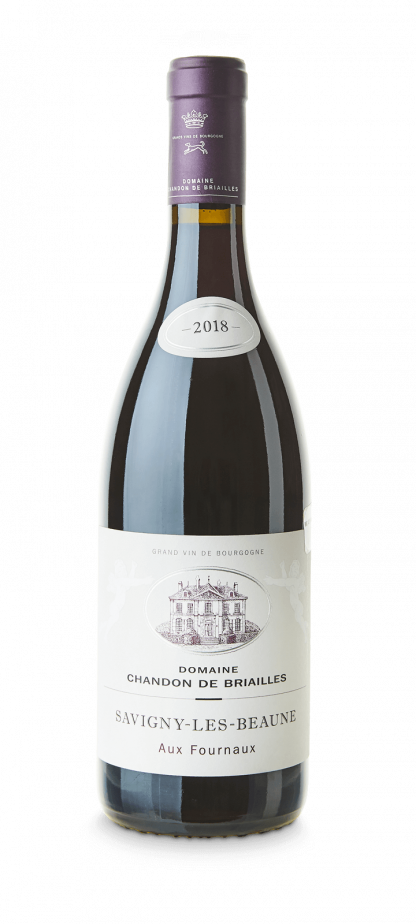
Chandon de Briailles Savigny-lès-Beaune “Aux Fourmeaux” 2020
77,50 €
Pievienot -
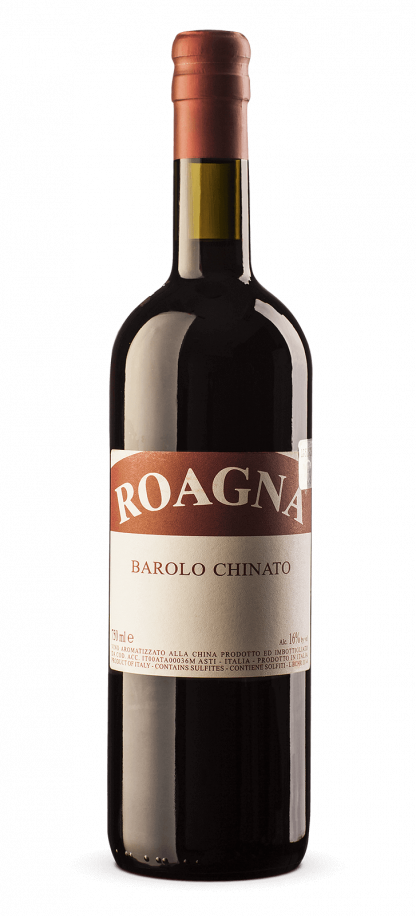
Roagna Barolo Chinato
79,10 € Pievienot -
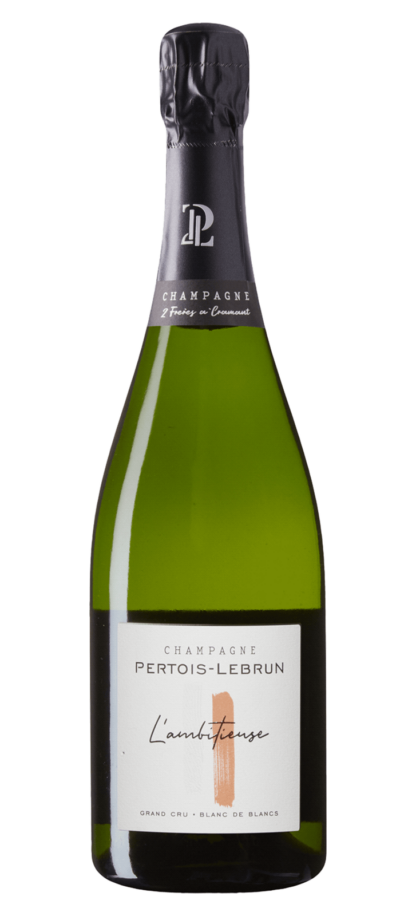
Pertois Lebrun Blanc de Blancs “L’Ambitieuse” NV
69,30 €
Pievienot -
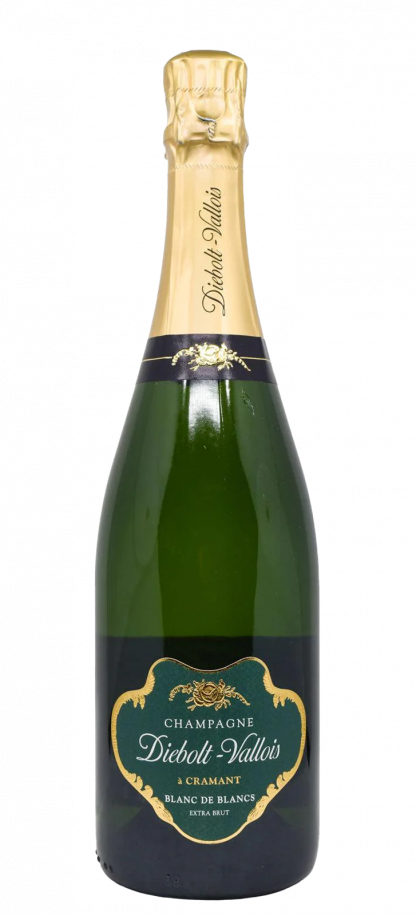
Diebolt-Vallois Brut Blanc de Blancs NV Demi
34,51 €
Pievienot -
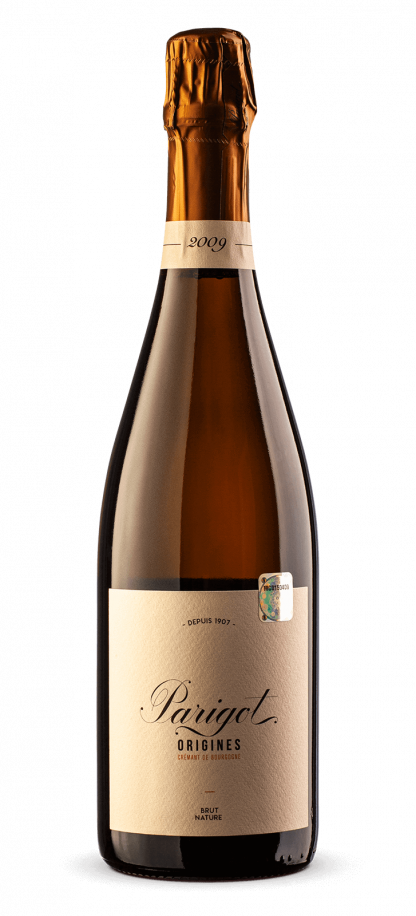
Parigot “Origine” Cremant de Bourgogne NV
29,50 €
Pievienot -
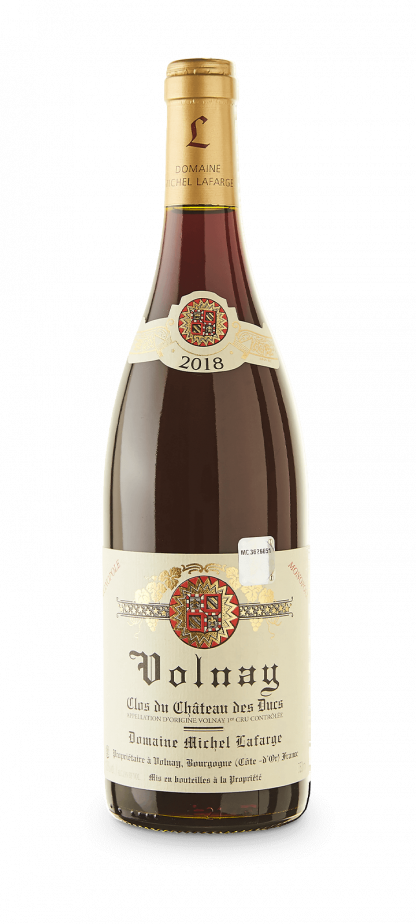
Lafarge Volnay 1er Cru “Clos du Chateau des Ducs” 2019
550,00 €
Pievienot -
Parigot “Origine” Cremant de Bourgogne 2020 Magnum
Original price was: 63,90 €.54,31 €Current price is: 54,31 €.
Pievienot
Pinot Blanc
Pinot Blanc is flexible white-wine grape variety, it can produce quite different styles of wine, depending on winemaker techniques. It produces a medium to full-bodied wine with elevated acidity, good structure and responds well to oak influence. Pinot Blanc's varietal deep flavors characters often include apple and almond, and sometimes hint of smoke.
Burgenland
Burgenland is a large wine-producing region on the eastern border of Austria. Despite the country's image as the producer of some of the world's finest white wines, Austria is also home to a thriving red wine culture: Burgenland, with its sunny, continental summers, is the country's key red wine region, with its wines based mainly on the Blaufränkisch and Zweigelt grape varieties.
The region occupies a narrow strip of land that runs from the Danube River down to Steiermark in the south. On its eastern side is the border with Hungary, and to the west lies the most eastern foothills of the Alps. Steiermark aside, Burgenland is one of Austria's southernmost wine regions, and topographically is more aligned with Hungary than with much of the rest of Austria.
Burgenland is home to four DAC appellations: from north to south; Neusiedlersee, Leithaberg, Mittelburgenland and Eisenberg. Within each of these zones, any wines which do not conform to the particular classification are labeled with the Burgenland appellation.
Burgenland's Lake Neusiedl (Neusiedlersee) is one of the viticultural focus points of the region. It stores summer heat from the Pannonian Plain, an expansive, warm area which covers much of Hungary and eastern Austria, effectively lengthening the ripening season into autumn.
In contrast to the other Burgenland DACs all of the wines of Leithaberg DAC qualify. Red wines must be made predominantly with Blaufränkisch. White grape varieties are Chardonnay, Pinot Blanc, Neuberger and Grüner Veltliner, either varietally or as a blend.
Mittelburgenland, south of the Neusiedlersee, is perhaps the most notable of Burgenland's red wine regions. The spicy red wines made here from Blaufränkisch have garnered the region its own DAC title, and the variety accounts for more than half of all vineyard land in the region.