


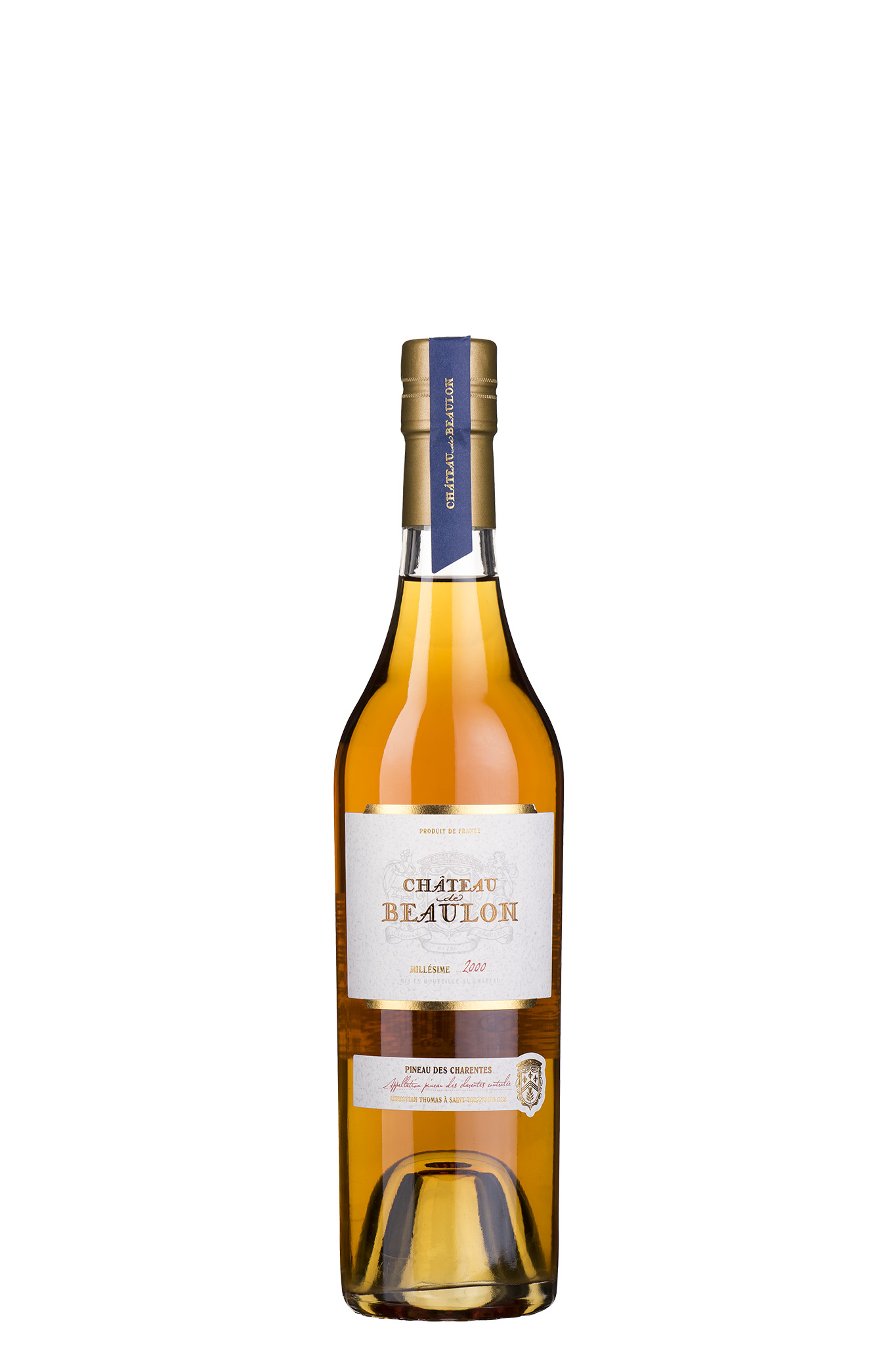
Aperitīvs Chateau de Beaulon Pineau des Charentes
South West | France | Fortified Wine | 0,75 L | 18 %
Par
Pineau des Charentes — pusparfumēts likjors no Francijas Cognac reģiona, iegūts, sajaucot svaigu vai viegli fermentētu vīnogu sulu (Semillon un Sauvignon Blanc) ar Cognac eau‑de‑vie un nogatavinot ozolkoka mucās vismaz 5 gadus. Château de Beaulon piedāvā rafinētu versiju ar medus un vaniļas aromātu buķeti, zīdainu tekstūru un saldo‑svaigo garšas līdzsvaru — ideāls aperitīvs vai deserts margināls līnijas papildinājums.
Piezīmes
Dzidra zeltaina krāsa. Aromātā — baltu ziedu delikātums, medus, vaniļas saldums, mandarīnu miziņu nianses un viegls koka pieskāriens. Garšā — svaiga, saldskāba harmonija ar bumbieru un vaniļas eleganci; gluda, maiga struktūra, laba pēcgarša ar sildošu saldumu
Saderība
Lieliski sader kā aperitīvs, īpaši ar gliemenēm, viegliem jūras veltēm (klusās ūdens), foie gras vai vathālu. Tāds deserts kā mandeļu vai medus cepumi, maigs kokosrieksta deserts — arī lieliska izvēle.
Noliktavā 9 prece/-es
Saistītie Produkti
-
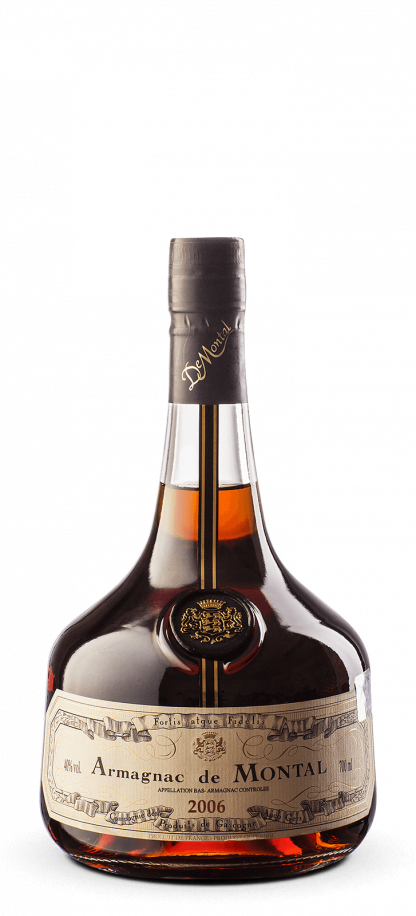
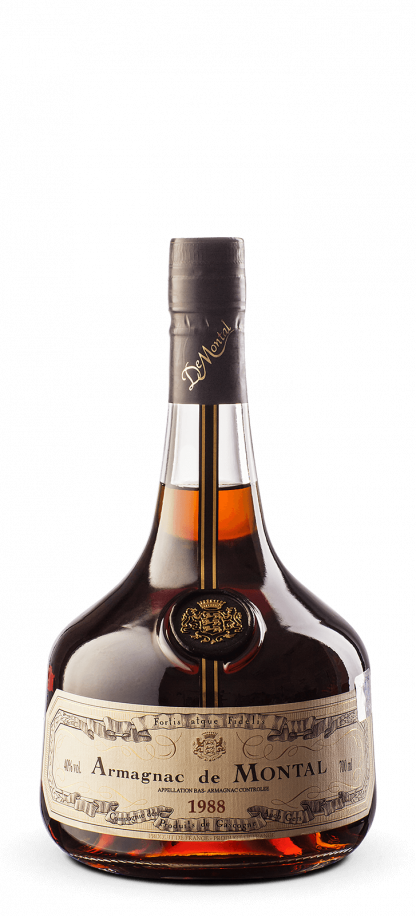
De Montal armanjaks 2007 0,7L
 69,10 €
Pievienot
69,10 €
Pievienot -
De Montal armanjaks 2011 0,7L
62,80 €
Pievienot -
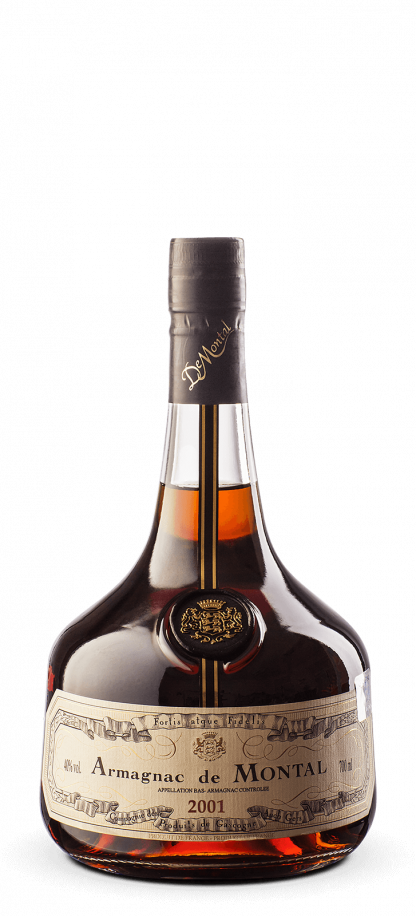
De Montal armanjaks 2001 0,7L
78,20 €
Pievienot -
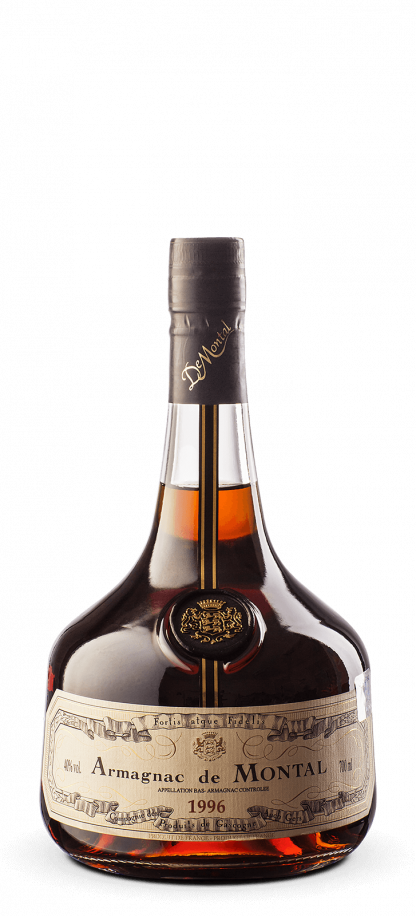
De Montal armanjaks 1996 0,7L
88,20 €
Pievienot -
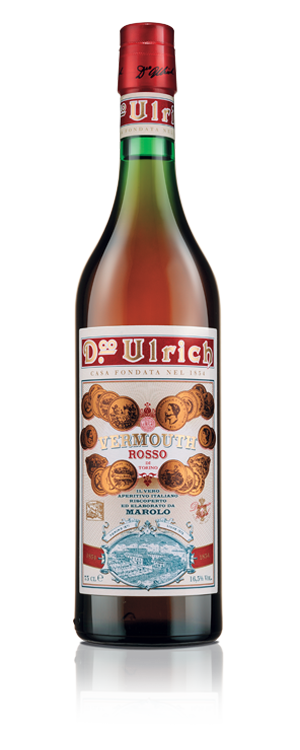
Marolo vermuts Rosso 0.75l
41,00 € Pievienot -
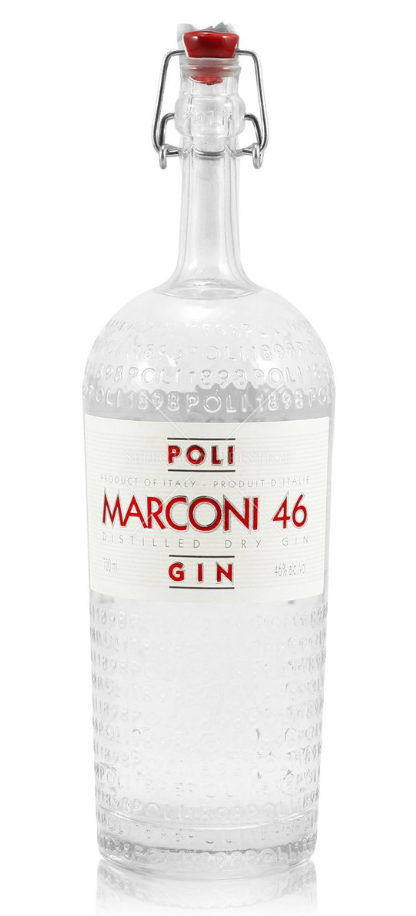
Džins “Poli Marconi” 46% 0,7L
75,00 € Pievienot -
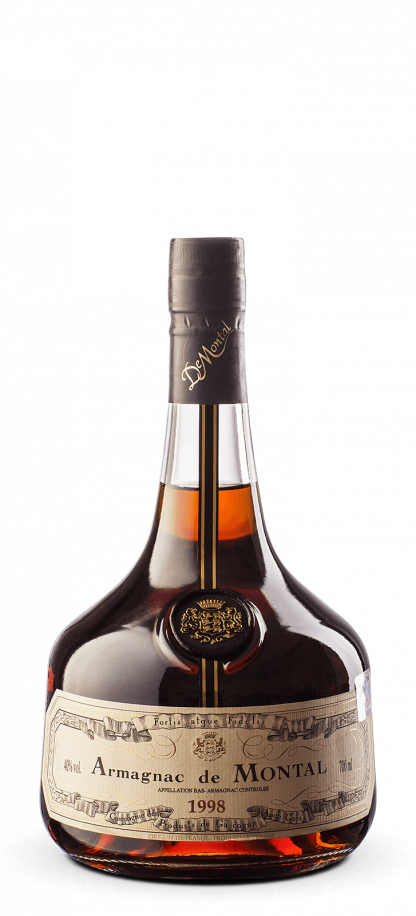
De Montal armanjaks 1998 0,7L
78,20 €
Pievienot -
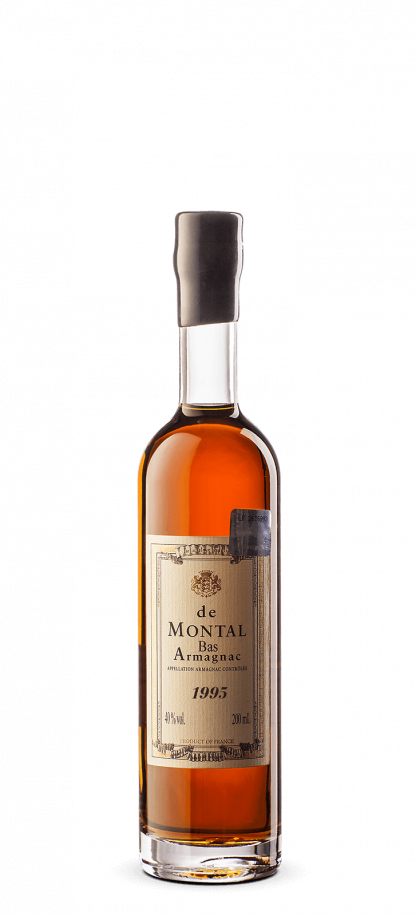
De Montal armanjaks 1995 0,2L
40,99 €
Pievienot -
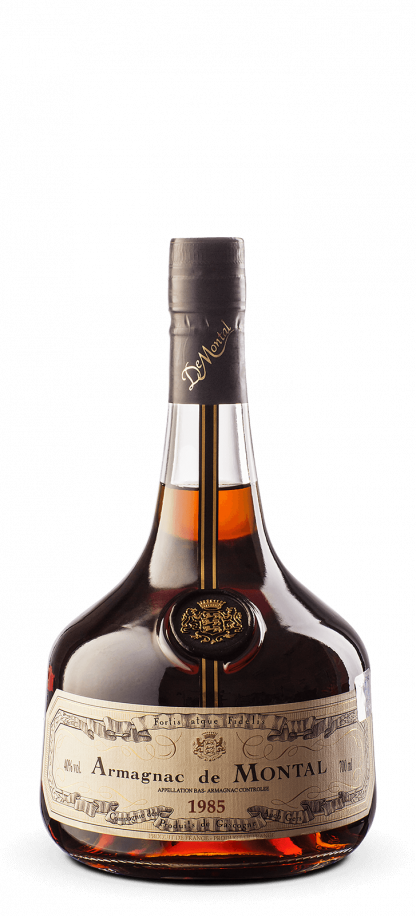
De Montal armanjaks 1985 0,7L
108,20 €
Pievienot -
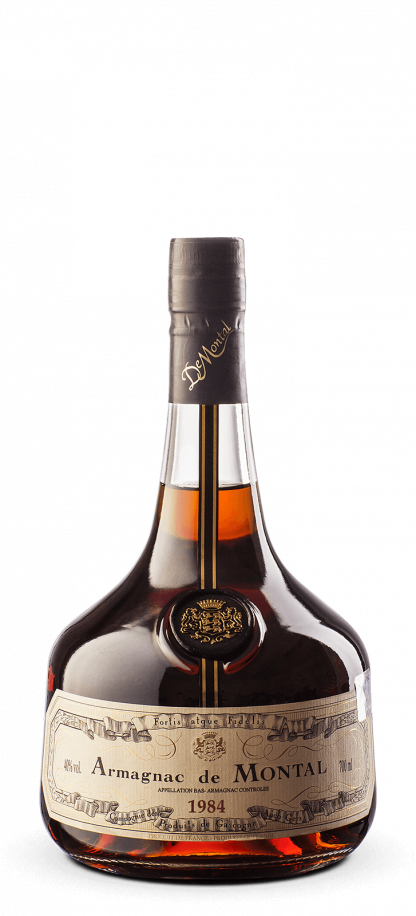
De Montal armanjaks 1984 0,7L
111,90 €
Pievienot -
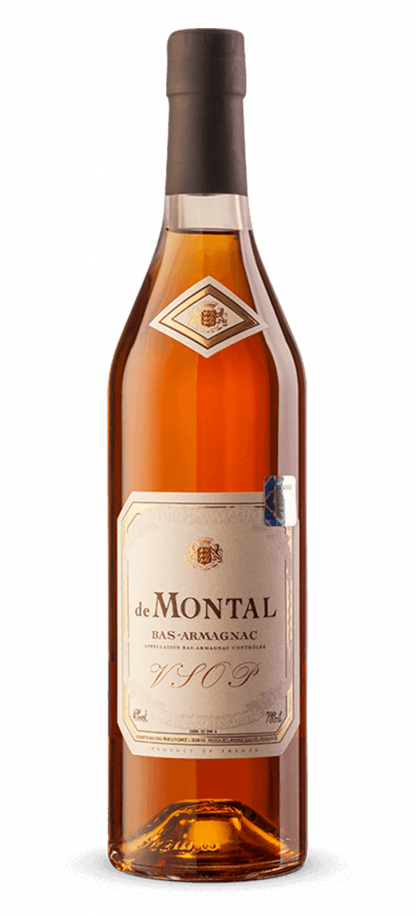
De Montal Armagnac VSOP
65,50 €
Pievienot -
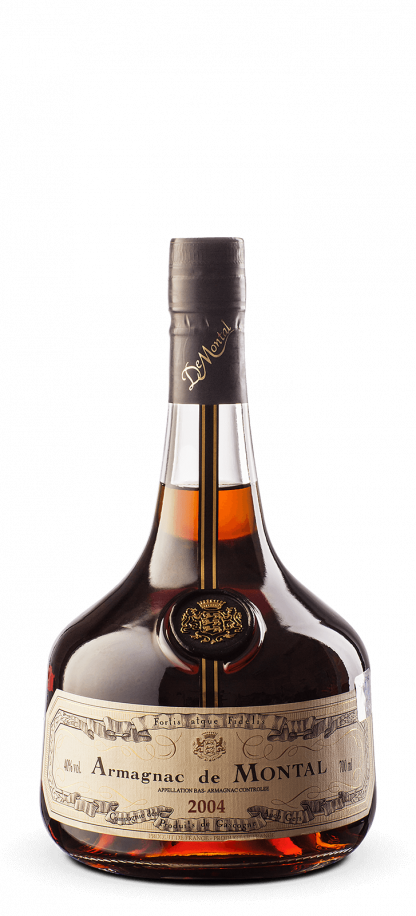
De Montal armanjaks 2004 0,7L
69,60 €
Pievienot -
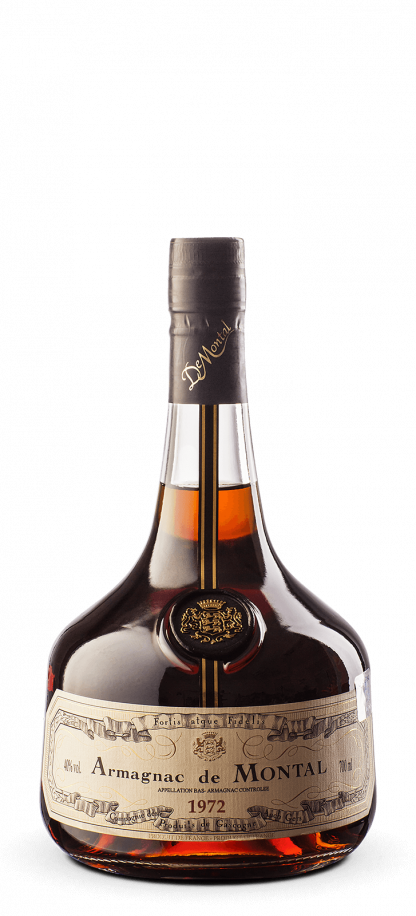
De Montal armanjaks 1972 0,7L
173,70 €
Pievienot -
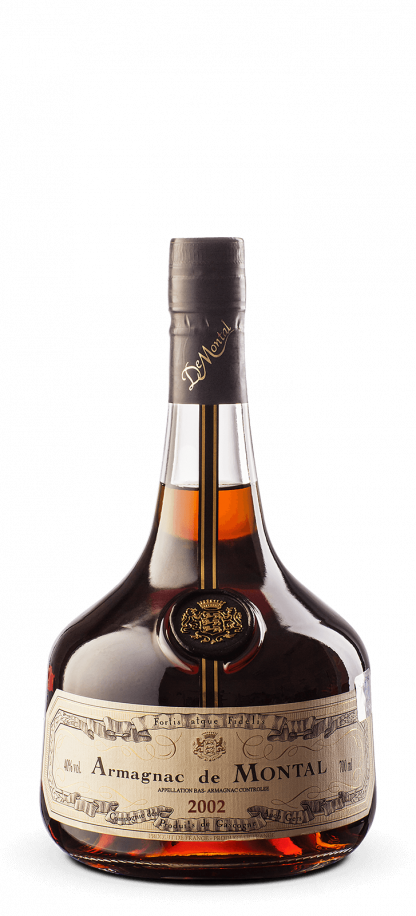
De Montal armanjaks 2002 0,7L
76,40 €
Pievienot -
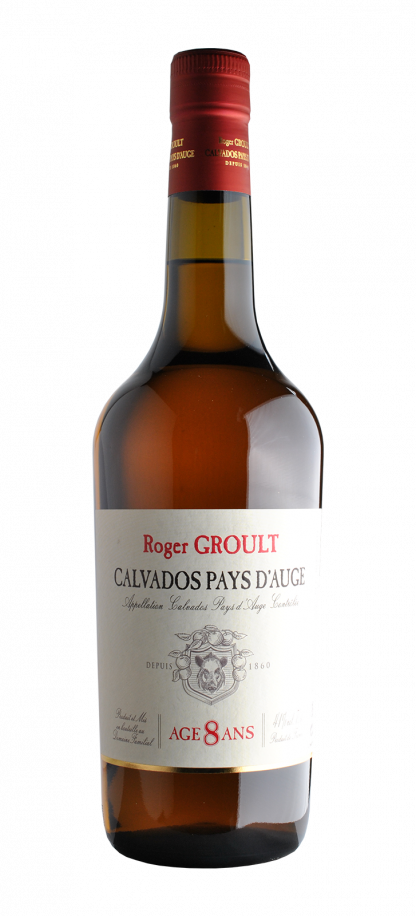
“Roger Groult 8 ANS d`Age” 0,7L
71,90 € Pievienot -
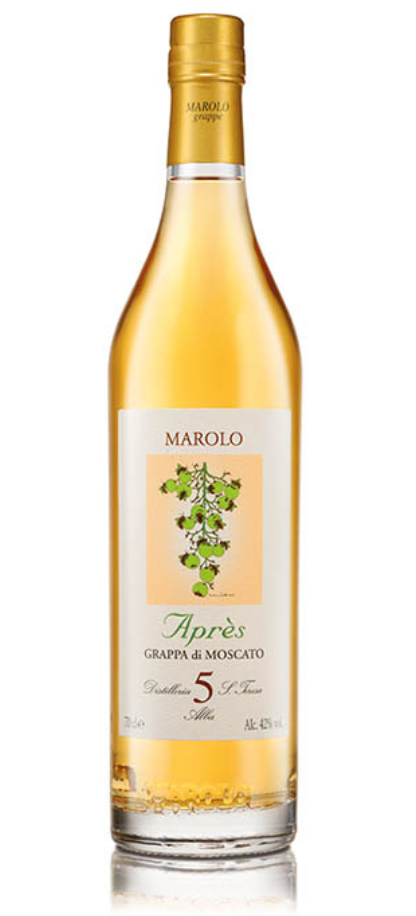
Marolo Grappa “Moscato Apres” 42% 0,7L
59,10 € Pievienot
Ugni Blanc
Ugni Blanc (Trebbiano) white grape variety is one of the most widely planted in the world. It produces good yields, but tends to give very neutral wine. It usually has vivid freshness and fruitiness, but does not keep long.
South West
The wines of southwestern France have a long and controversial history. Local rivers have always played an important role as they have been the main trade routes for the transport of wines from traditional regions such as Cahors, Bergerac, Bouzet and Gaillac to markets. However, the neighboring region of Bordeaux was also influential. Winemakers and castle owners in Bordeaux really disliked the rival region and did everything to overshadow it and prevent it from developing properly. Therefore, many wines from the southwestern part had to fight hard to get to know about them and start including them in the wine lists of restaurants. The soil, climate and landscape of the southwest are as varied as the wines themselves. The influence of the Atlantic Ocean and the Mediterranean Sea is due to the maritime climate, but there are also areas with a more continental microclimate, where drier and hotter summers prevail.