


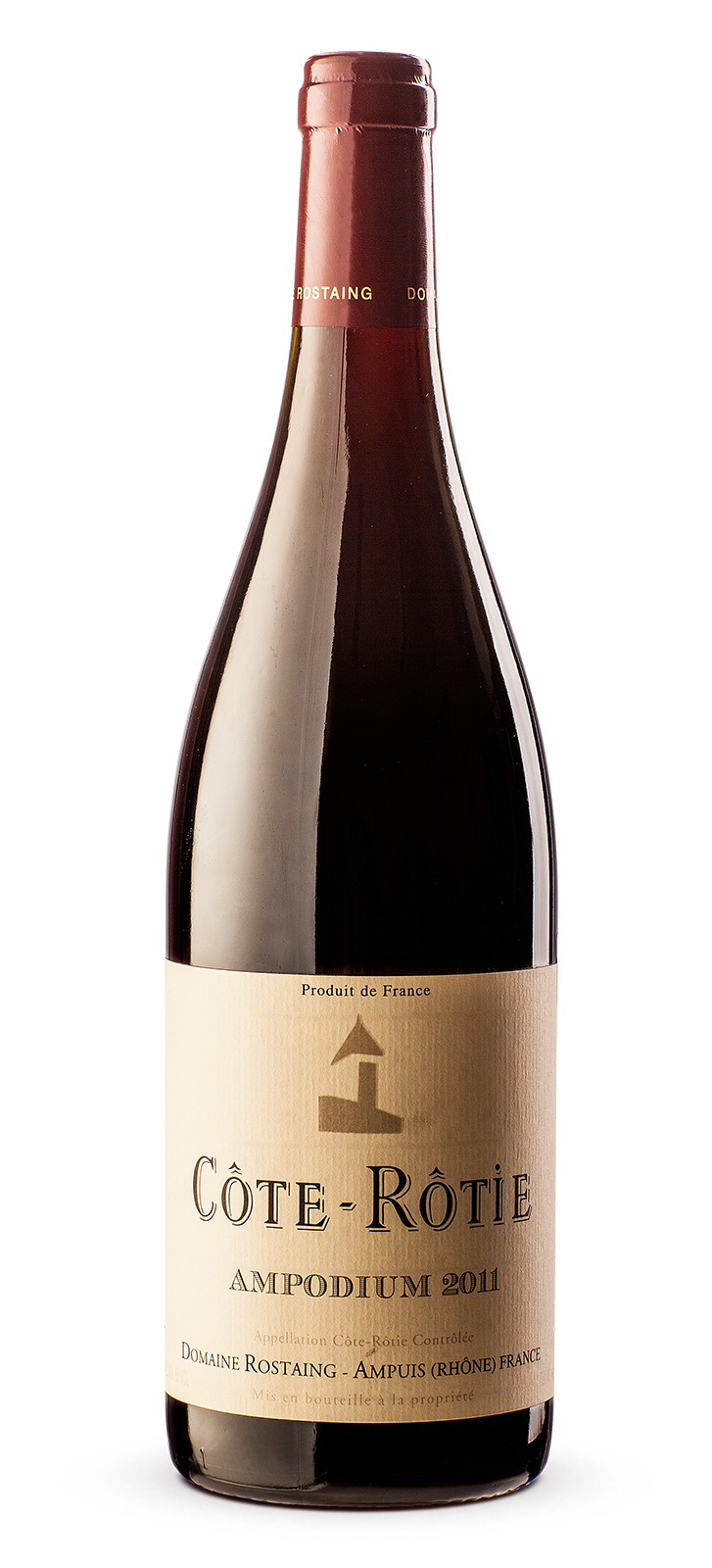
Domaine Rene Rostaing “Ampodium” Cote Rotie 2022

Syrah | Rhone | France | Red Wine | Domaine Rene Rostaing | 2022 | 0,75 L | 14 %
About
Domaine de la Janasse Châteauneuf-du-Pape "Tradition" 2022 ir sauss sarkanvīns, darināts no klasiskajām Dienvidu Ronas šķirnēm – Grenache, Syrah, Mourvèdre un Cinsault. Tas nāk no prestižās Châteauneuf-du-Pape apelācijas Francijas Dienvidu Ronas ielejā, kur daudzveidīgais teruārs – smilšainas augsnes, noapaļotu oļu laukumi (galets roulés) un sarkano mālu nogulumi – piešķir vīnam bagātību un sarežģītību. Pēc raudzēšanas tas tiek nogatavināts ozolkoka foudros un mucās, lai saglabātu augļu tīrību un piešķirtu struktūras dziļumu.
Producer
Legal expert and real estate dealer René Rostaing produces some of the best Côte-Rôtie wines available on the market. Since the 70s of the twentieth century, Rosten has owned two hectares in the communes of Côte Blonde and La Landone. In addition, by coincidence, he managed to inherit 4 hectares of excellent vineyards from his father-in-law Albert Dervieux and 1.4 hectares with especially old vines from his uncle Marius Gentaz. Today he owns 7.4 hectares of vineyards, which is considered a large estate in the Côte-Rôtie appellation. Rosten is a representative of modern winemakers Côte-Rôtie - he separates most of his grapes from the ridges, and in addition, he was one of the first to ferment wine to use the "vinomat" - a horizontal automatic vinificator. But Rosten does not like the pronounced taste of young oak, so in the process of aging the wine uses no more than 15% of new barrels. All wines are bottled without filtration.
Tasting notes
Aromātā atklājas sulīgu melno ķiršu, plūmju un ogu nianses, ko papildina žāvētu garšaugu, lakricas un smalku melno piparu akcenti. Garša ir bagātīga un daudzslāņaina – ar tumšās šokolādes un tabakas pieskaņu, elegantiem tanīniem un dzīvīgu skābuma svaigumu. Pēcgarša ir gara, līdzsvarota un harmoniska, ar potenciālu izcili attīstīties turpmākajos gados.
Pairing
Lieliski sader ar grilētu vai lēni sautētu sarkano gaļu, kā arī ar medījuma ēdieniem. Tāpat šis vīns ir lielisks pavadonis nobriedušiem sieriem, piešķirot maltītei izsmalcinātību un dziļumu.
11 in stock
Wine Searcher review
92/100
Related products
-
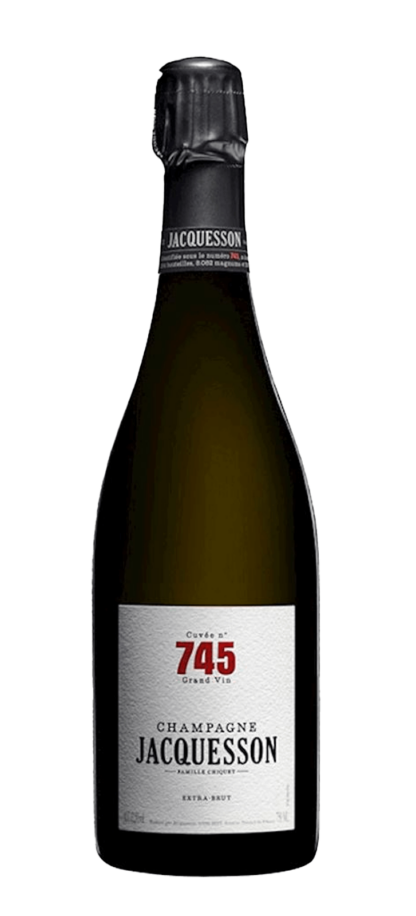
Jacquesson Extra-Brut “Cuvee 746”
 88.00 €
Add to cart
88.00 €
Add to cart -
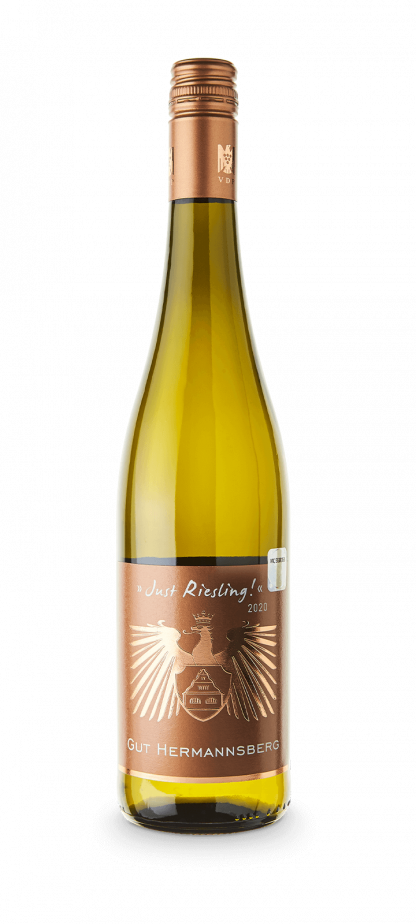
Hermannsberg Riesling Trocken 2021
 21.00 €
Add to cart
21.00 €
Add to cart -
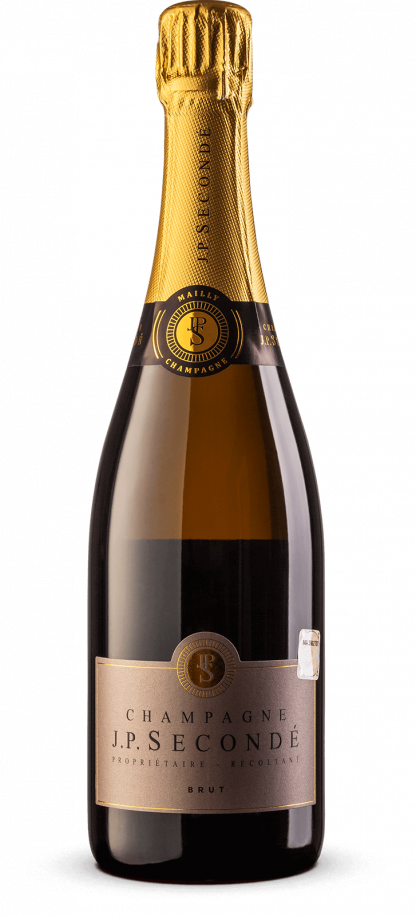
J.P. Seconde Brut “Tradition”
Original price was: 39.50 €.33.57 €Current price is: 33.57 €.
Add to cart -
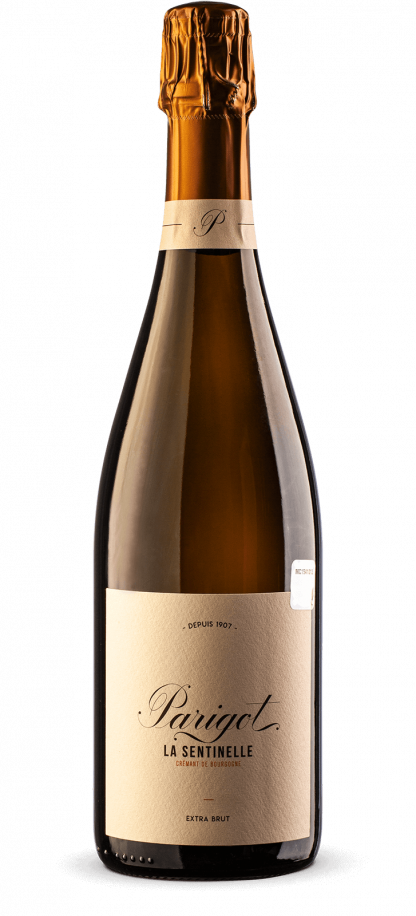
Parigot Blans de Blancs Extra Brut “La Sentinelle”
Original price was: 29.50 €.25.08 €Current price is: 25.08 €.
Add to cart -
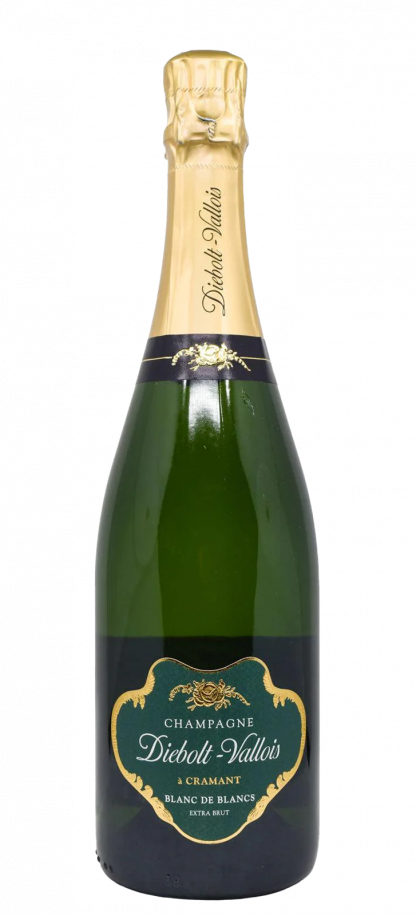
Diebolt-Vallois Brut Blanc de Blancs NV
Original price was: 53.00 €.45.05 €Current price is: 45.05 €.
Add to cart -
Diebolt-Vallois Brut Blanc de Blancs NV Magnum
Original price was: 121.00 €.102.85 €Current price is: 102.85 €.
Add to cart -
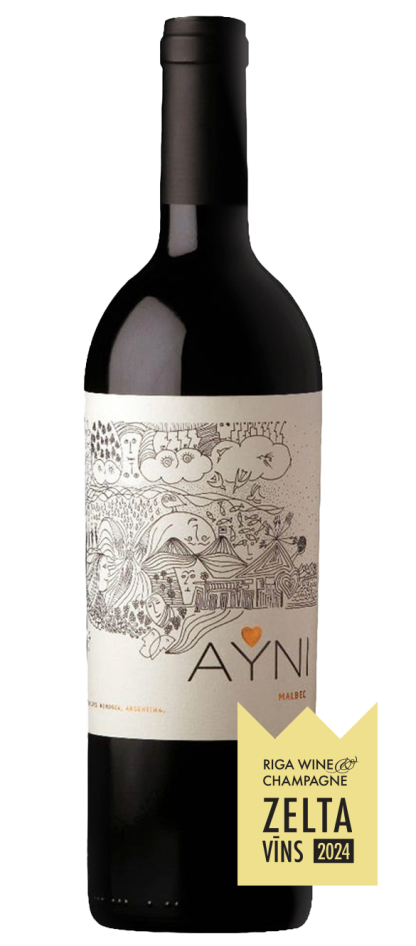
Bodega Chakana “Ayni” Malbec Mendoza 2020
31.10 €
Add to cart -
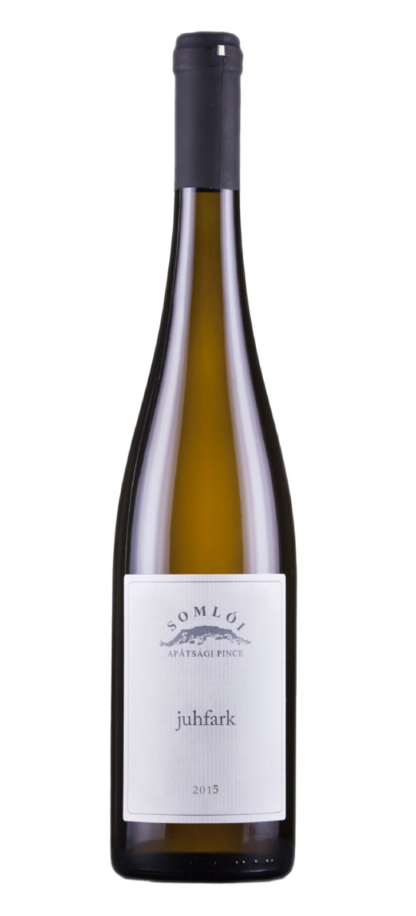
Somloi Apatsagi Pince “Juhfark”
26.70 €
Add to cart -
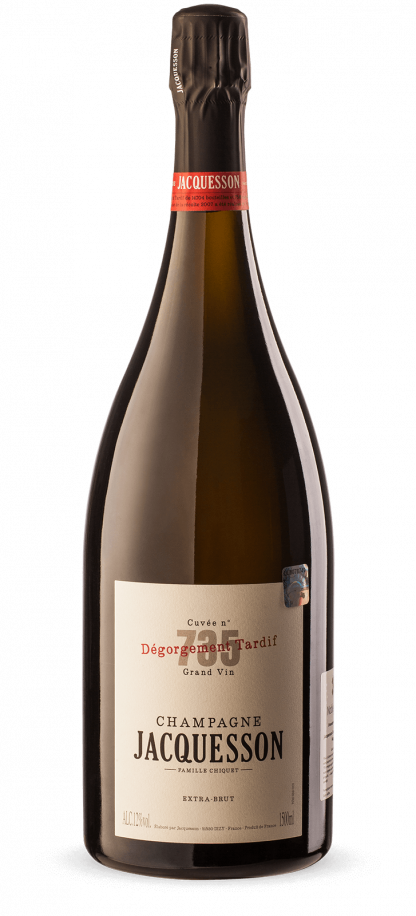
Jacquesson Extra-Brut “Cuvee 741 D.T.”
137.00 €
Add to cart -
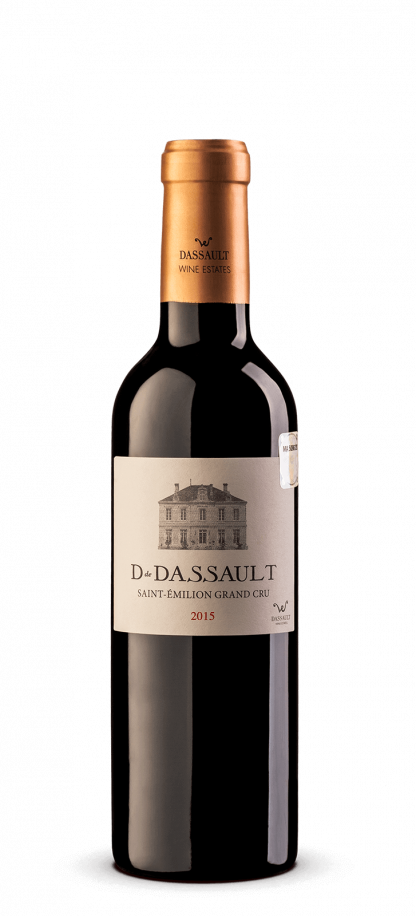
Chateau Dassault “D de Dassault” St. Emilion 2015 Demi
26.40 €
Add to cart -
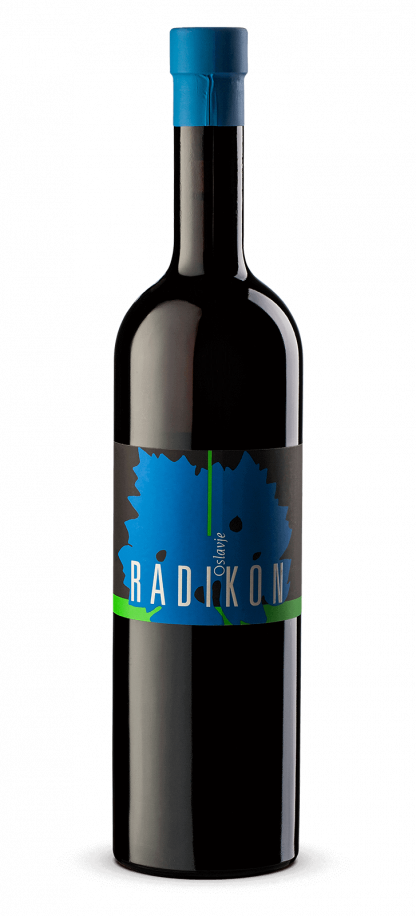
Radikon “Oslavje” 0,5L
47.30 €
Add to cart -
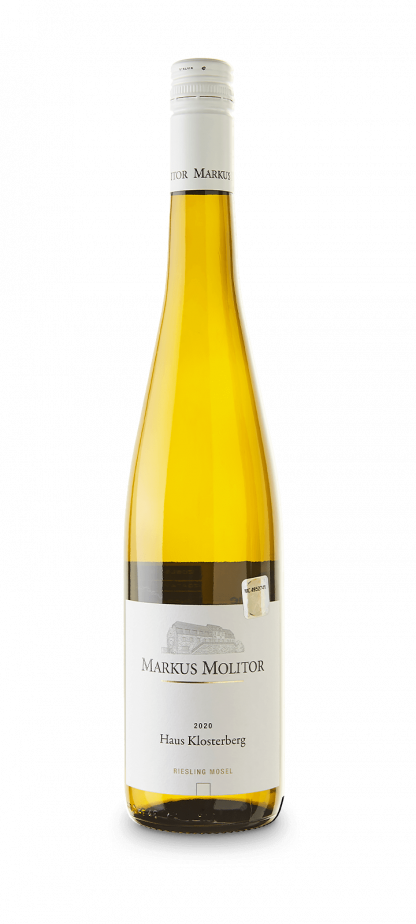
Markus Molitor Riesling “Haus Klosterberg” Trocken 2021
21.50 €
Add to cart -
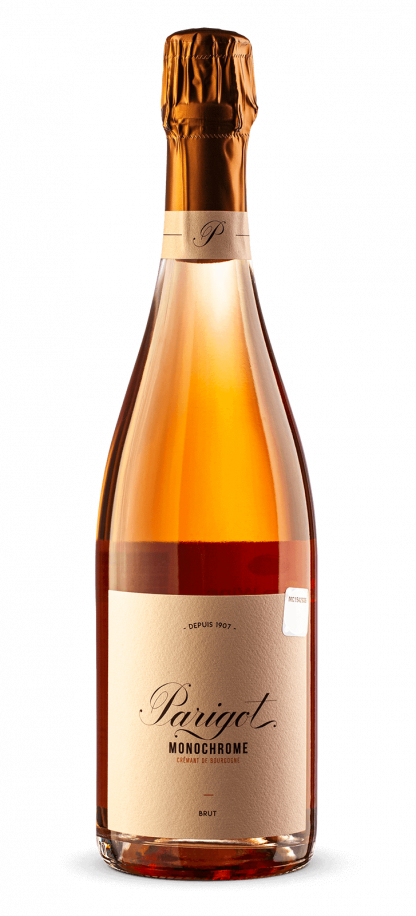
Parigot Monochrome Brut Rose NV
Original price was: 29.50 €.25.08 €Current price is: 25.08 €.
Add to cart -
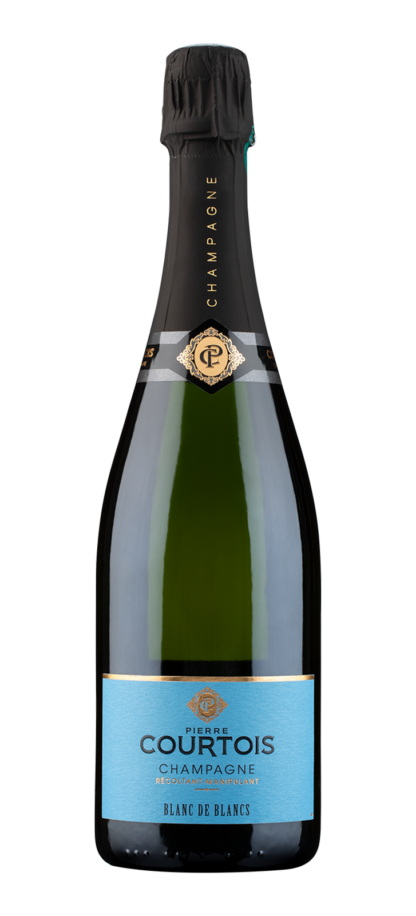
Courtois Brut Blanc de Blancs
Original price was: 44.00 €.37.40 €Current price is: 37.40 €.
Add to cart -
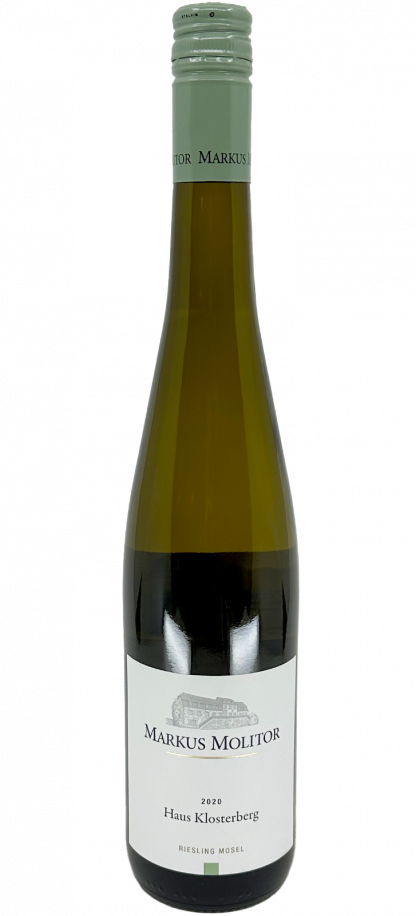
Markus Molitor Riesling “Haus Klosterberg” Feinherb 2022
20.20 €
Add to cart -
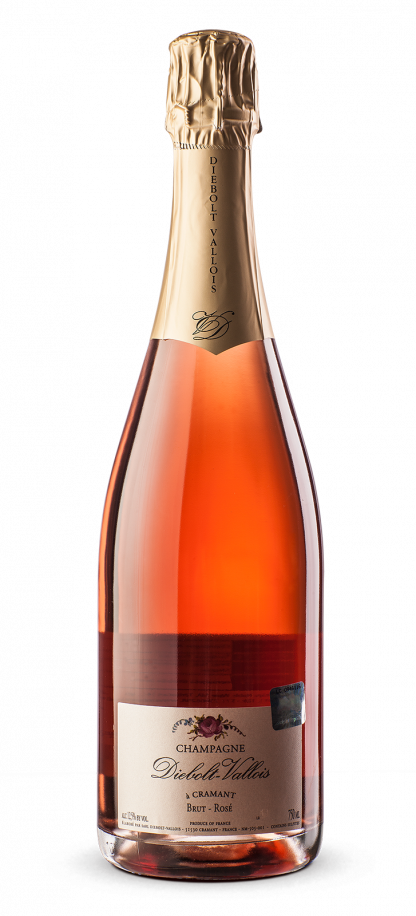
Diebolt-Vallois Brut Rose NV
Original price was: 57.00 €.48.45 €Current price is: 48.45 €.
Add to cart
Domaine Rene Rostaing
Legal expert and real estate dealer René Rostaing produces some of the best Côte-Rôtie wines available on the market. Since the 70s of the twentieth century, Rosten has owned two hectares in the communes of Côte Blonde and La Landone. In addition, by coincidence, he managed to inherit 4 hectares of excellent vineyards from his father-in-law Albert Dervieux and 1.4 hectares with especially old vines from his uncle Marius Gentaz. Today he owns 7.4 hectares of vineyards, which is considered a large estate in the Côte-Rôtie appellation. Rosten is a representative of modern winemakers Côte-Rôtie - he separates most of his grapes from the ridges, and in addition, he was one of the first to ferment wine to use the "vinomat" - a horizontal automatic vinificator. But Rosten does not like the pronounced taste of young oak, so in the process of aging the wine uses no more than 15% of new barrels. All wines are bottled without filtration.
Côte-Rôtie
Côte-Rôtie is the northernmost appellation of Côtes du Rhône. The slopes of the hills are so steep that work cultivating the vines is more suitable for stuntmen than farmers. Côte-Rôtie is known for its two slopes - Côte Blonde and Côte Brune. The gravel and limestone soil of Côte Blonde creates very aromatic and saturated wines while the land in Côte Brune is rich with iron and makes the wines elegant and sophisticated. The main grape variety on both slopes is Syrah, but, in order to soften the wine, Viognier is added. Although the wine is strong and spicy at first, time gives it elegance making it one of the Syrah benchmarks worldwide. As the wine gets older, the aromas of violets and forest are replaced by notes of vanilla, hazelnuts and almonds.
Côtes du Rhône vineyards are located on the banks of the Rhône River. The soil and the geographical conditions are very heterogeneous in the northern and southern parts of the region therefore the valley is divided in two parts - Northern Rhône and Southern Rhône. Vines in Northern Rhône are mainly grown on so-called "terraces" - steep granite and slate slopes. Winemakers are often not very fond of the harsh mistral wind because of its low temperature. The unusual climate causes the vines to produce small yields, but at the same time provides an intense flavour that has given the wines of Northern Rhône worldwide fame. Syrah is the mainly used grape for red wines - it produces deep wines with hints of pepper that are suitable for long aging. Viognier is the queen of white wines, but Marsanne and Rousanne are also always close by. Some appellations allow white grapes to be added to red wines to smoothen the roughness of Syrah and enrich the wines with floral aromas. The landscapes of Southern Rhône are very different from the northern part - the vineyards are located along the river on low hills and plains and the weather is much friendlier. The grapes ripen in the hot summer sun and obtain a high sugar level resulting in rich and mouth-filling wines. The main grape used is Grenache, but 12 other varieties are allowed in the region - interestingly some wines even combine all of them.