


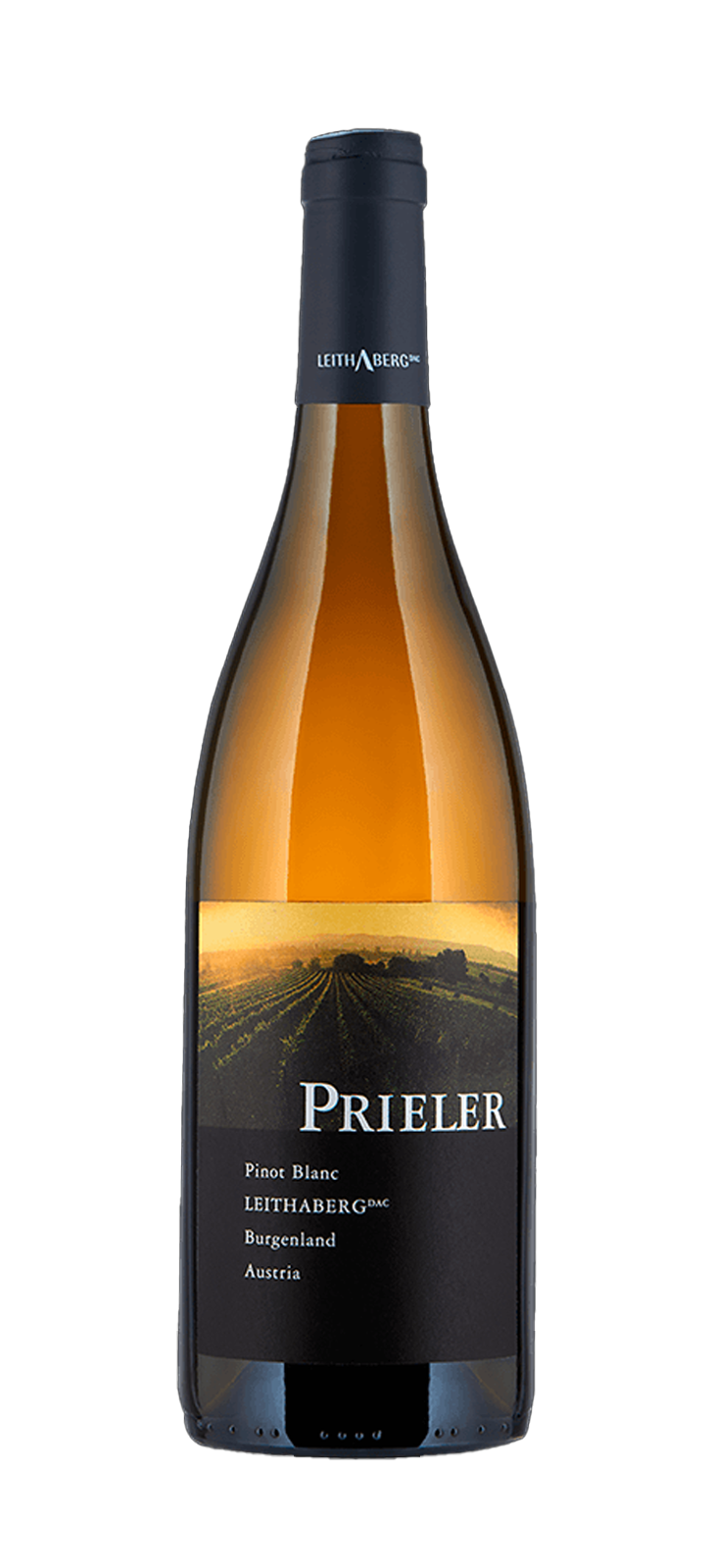
Prieler Pinot Blanc Leithaberg DAC 2022

Pinot Blanc | Burgenland | Austria | White Wine | Weingut Prieler | 2022 | 0,75 L | 13,5 %
About
Prieler Pinot Blanc Leithaberg DAC 2022 is a dry white wine made from 100% Pinot Blanc grapes, grown in the Leithaberg DAC region of Burgenland, Austria—an area celebrated for its limestone-rich soils and cool climate, ideal for elegant white wines. This wine showcases Weingut Prieler’s dedication to precise vineyard work and minimal intervention winemaking, expressing purity, structure, and regional character. The Leithaberg DAC designation ensures it meets strict quality standards, emphasizing a nuanced and mineral-driven style.
Tasting notes
Prieler Pinot Blanc Leithaberg DAC 2022 opens with aromas of white peach, pear, and subtle floral notes, layered with a touch of wet stone and almond. On the palate, it is medium-bodied and textural, with crisp acidity and a mineral backbone that highlights its origin. The finish is long and elegant, marked by a fine balance of fruit, freshness, and salinity.
Pairing
This Pinot Blanc pairs excellently with grilled fish, roasted poultry, or creamy vegetable risottos, where its brightness cuts through richness. It also complements soft cheeses or light pasta dishes, offering a versatile and refined match for delicate flavors.
8 in stock
Related products
-
Markus Molitor Riesling “Haus Klosterberg” Feinherb 2022
20.20 €
Add to cart -
“Le Crock” St.Estephe 2021
 49.10 €
Add to cart
49.10 €
Add to cart -
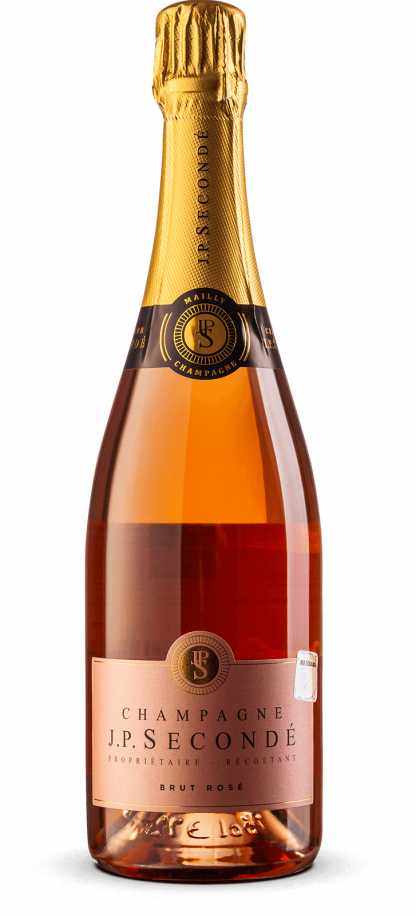
J.P. Seconde “Tradition” Brut Rose
 Original price was: 45.00 €.45.00 €Current price is: 45.00 €.
Add to cart
Original price was: 45.00 €.45.00 €Current price is: 45.00 €.
Add to cart -
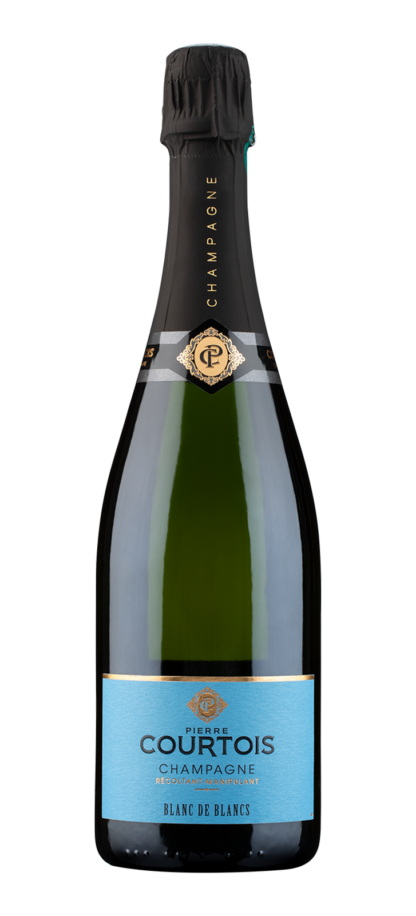
Courtois Brut Blanc de Blancs
Original price was: 45.50 €.45.50 €Current price is: 45.50 €.
Add to cart -
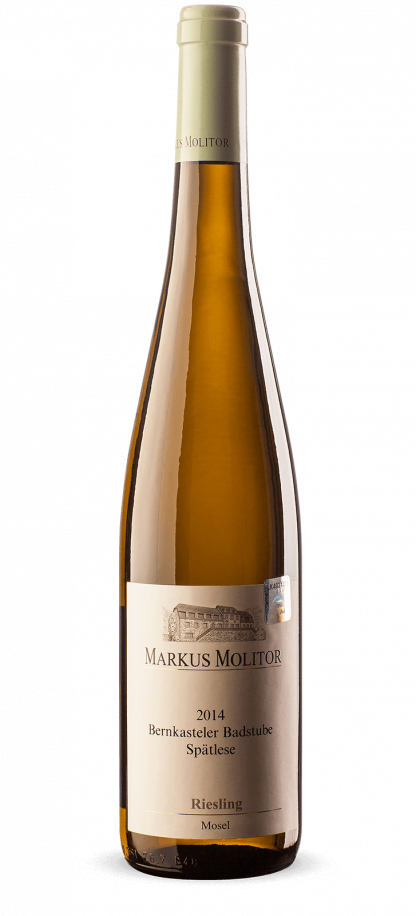
Markus Molitor Riesling “Bernkasteler Lay” Spatlese Trocken 2021
29.70 €
Add to cart -
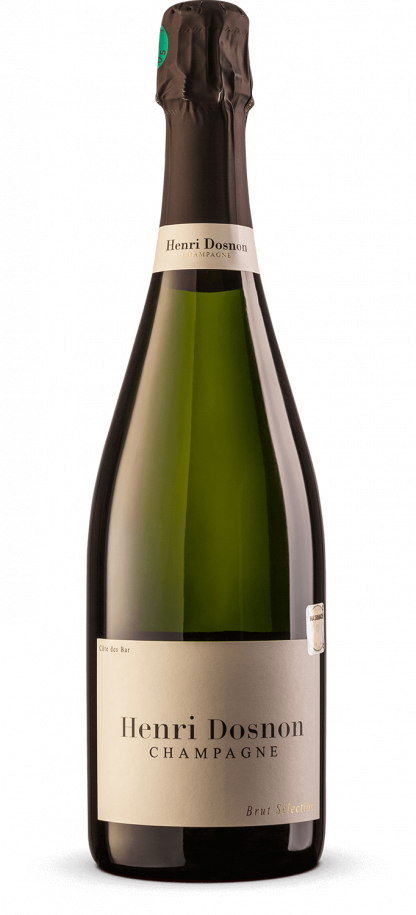
Dosnon Brut “HD” NV
Original price was: 43.00 €.43.00 €Current price is: 43.00 €.
Add to cart -
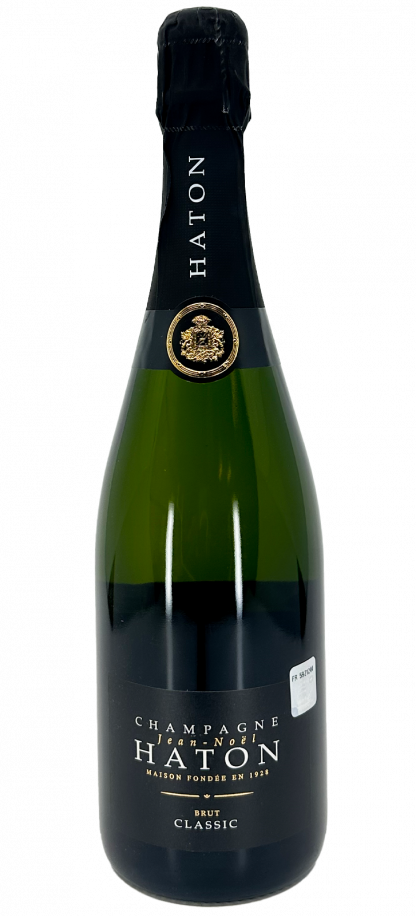
Jean-Noel Haton Brut Classic
Original price was: 43.00 €.43.00 €Current price is: 43.00 €.
Add to cart -
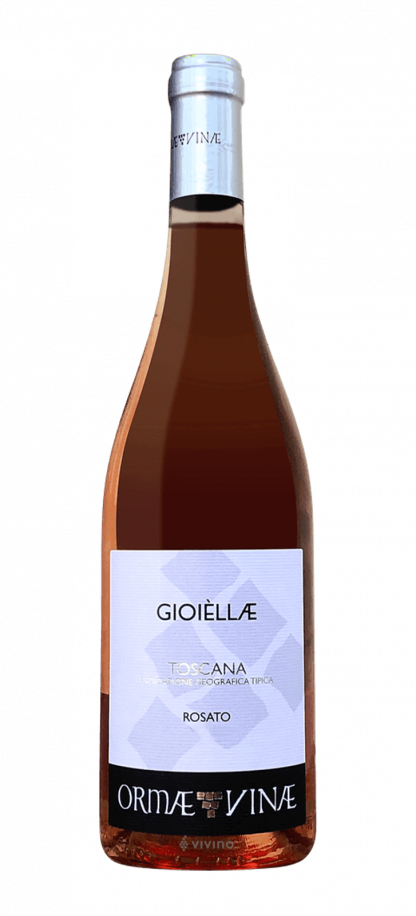
Ormae Vinae “Gioiellae” Toscana IGT 2020
 24.10 €
Add to cart
24.10 €
Add to cart -
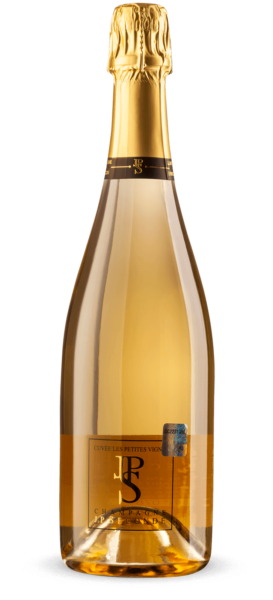
J.P. Seconde Blanc de Noirs “Les Petit Vignes”
Original price was: 56.00 €.47.60 €Current price is: 47.60 €.
Add to cart -
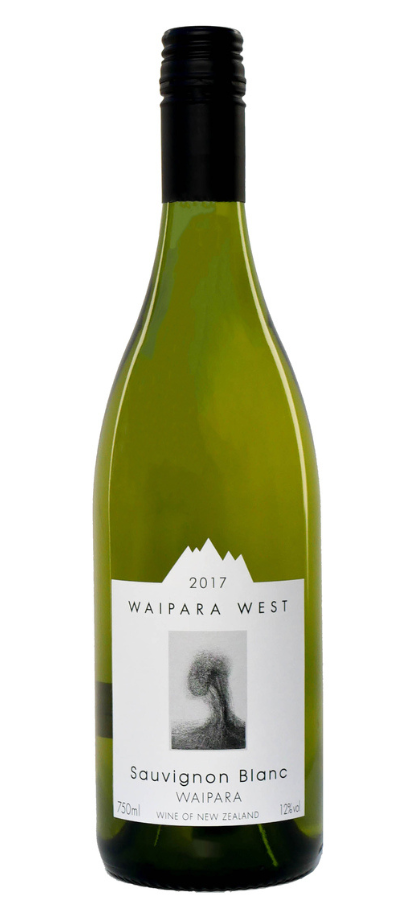
Waipara West Sauvignon Blanc 2023
Original price was: 23.70 €.21.33 €Current price is: 21.33 €.
Add to cart -
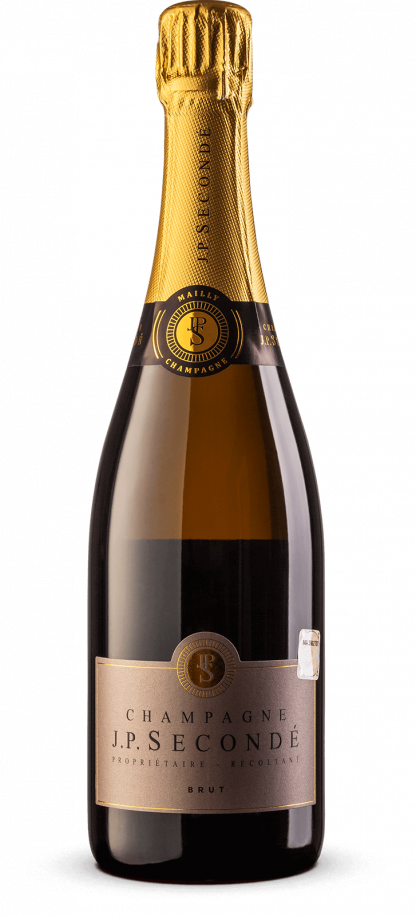
J.P. Seconde Brut “Tradition” 0,375l
Original price was: 29.00 €.29.00 €Current price is: 29.00 €.
Add to cart -
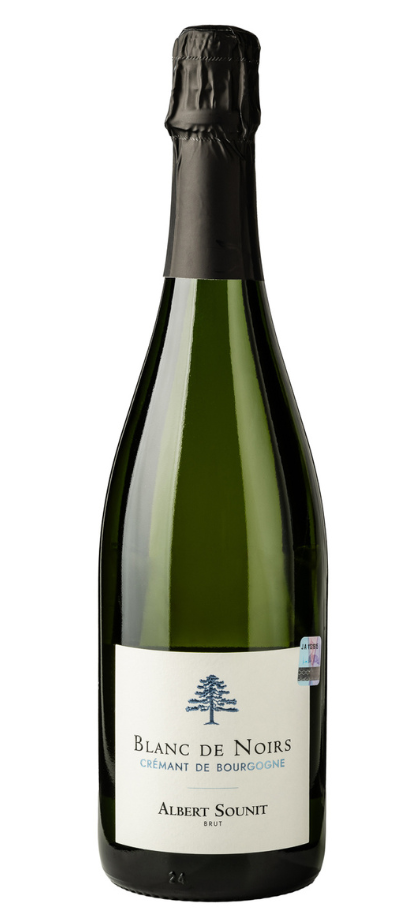
Albert Sounit Cremant Blanc de Noirs
Original price was: 30.00 €.25.50 €Current price is: 25.50 €.
Add to cart -
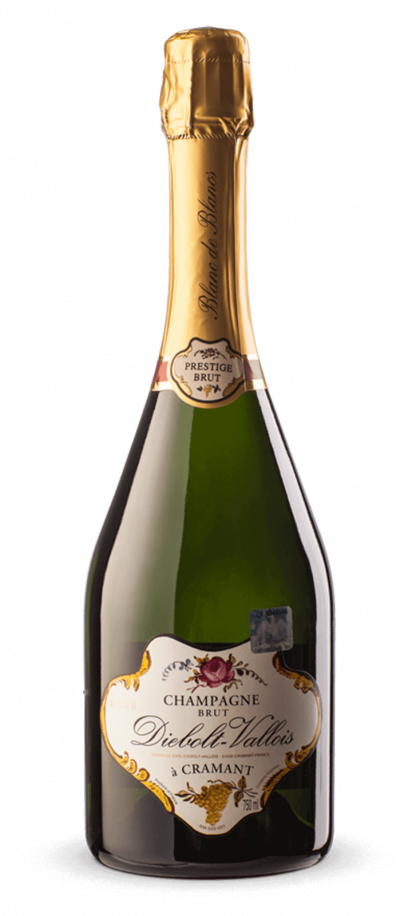
Diebolt-Vallois Blanc de Blancs “Prestige”
Original price was: 63.00 €.63.00 €Current price is: 63.00 €.
Add to cart -
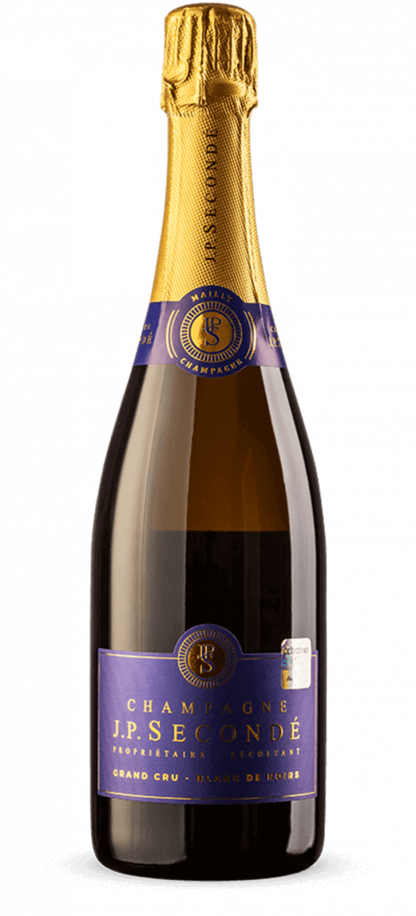
J.P. Seconde Brut Blanc de Noirs
Original price was: 43.00 €.43.00 €Current price is: 43.00 €.
Add to cart -
Markus Molitor Riesling “Haus Klosterberg” Trocken 2021
21.50 €
Add to cart -
Champagne Palmer & Co Brut “Reserve” NV 0,375l
Original price was: 36.16 €.36.16 €Current price is: 36.16 €.
Add to cart
Pinot Blanc
Pinot Blanc is flexible white-wine grape variety, it can produce quite different styles of wine, depending on winemaker techniques. It produces a medium to full-bodied wine with elevated acidity, good structure and responds well to oak influence. Pinot Blanc's varietal deep flavors characters often include apple and almond, and sometimes hint of smoke.
Burgenland
Burgenland is a large wine-producing region on the eastern border of Austria. Despite the country's image as the producer of some of the world's finest white wines, Austria is also home to a thriving red wine culture: Burgenland, with its sunny, continental summers, is the country's key red wine region, with its wines based mainly on the Blaufränkisch and Zweigelt grape varieties.
The region occupies a narrow strip of land that runs from the Danube River down to Steiermark in the south. On its eastern side is the border with Hungary, and to the west lies the most eastern foothills of the Alps. Steiermark aside, Burgenland is one of Austria's southernmost wine regions, and topographically is more aligned with Hungary than with much of the rest of Austria.
Burgenland is home to four DAC appellations: from north to south; Neusiedlersee, Leithaberg, Mittelburgenland and Eisenberg. Within each of these zones, any wines which do not conform to the particular classification are labeled with the Burgenland appellation.
Burgenland's Lake Neusiedl (Neusiedlersee) is one of the viticultural focus points of the region. It stores summer heat from the Pannonian Plain, an expansive, warm area which covers much of Hungary and eastern Austria, effectively lengthening the ripening season into autumn.
In contrast to the other Burgenland DACs all of the wines of Leithaberg DAC qualify. Red wines must be made predominantly with Blaufränkisch. White grape varieties are Chardonnay, Pinot Blanc, Neuberger and Grüner Veltliner, either varietally or as a blend.
Mittelburgenland, south of the Neusiedlersee, is perhaps the most notable of Burgenland's red wine regions. The spicy red wines made here from Blaufränkisch have garnered the region its own DAC title, and the variety accounts for more than half of all vineyard land in the region.