4 276.20 
My shopping cart
  • Show × Le Crock St.Estephe Bordeaux sarkanvīns
    "Le Crock" St.Estephe 2021SKU: FRBOHCUWIRE1075021
    Qty Price
    1 × 49.10 
  • Show × Jacquesson Extra-Brut "Cuvee 741 D.T."
    Jacquesson Extra-Brut "Cuvee 741 D.T."SKU: FRCHJACSPCH775013
    Qty Price
    1 × 137.00 
  • Show × Dosnon Brut "HD" NV
    Dosnon Brut "HD" NVSKU: FRCHDOSSPCH8750NV
    Qty Price
    1 × 36.55 
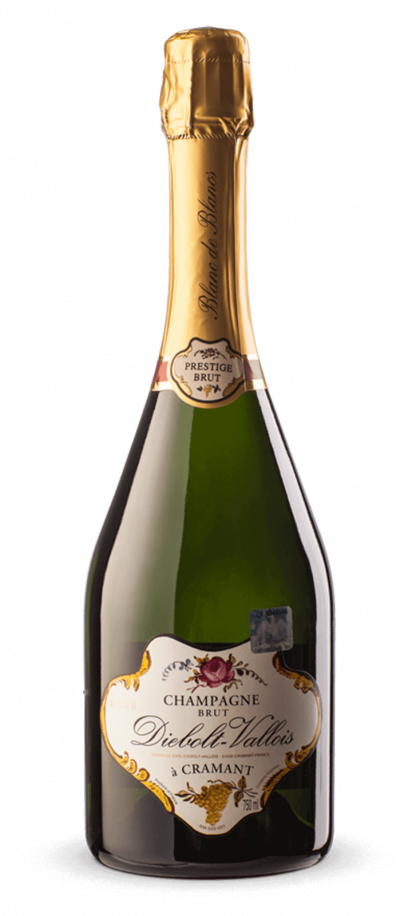
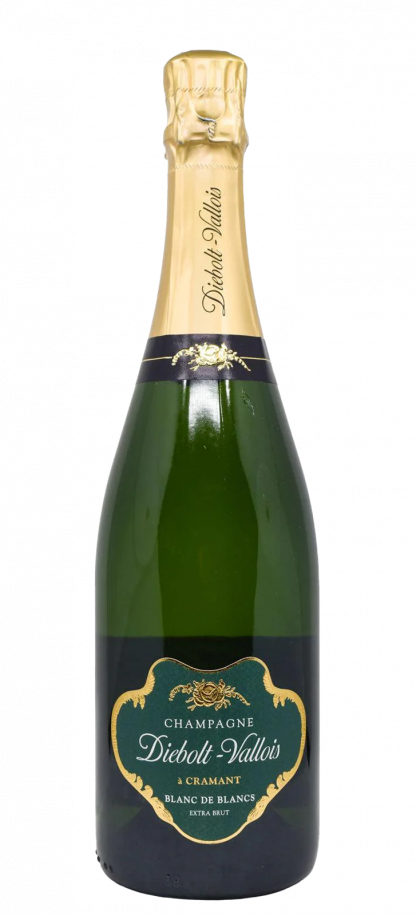
  • Show × Diebolt Vallois Blanc de Blancs Prestige
    Diebolt-Vallois Blanc de Blancs "Prestige"SKU: FRCHDVASPCH4750NV
    Qty Price
    1 × 53.55 

Subtotal: 276.20 

View basketCheckout

EN
LV
4 276.20 
My shopping cart
  • Show × Le Crock St.Estephe Bordeaux sarkanvīns
    "Le Crock" St.Estephe 2021SKU: FRBOHCUWIRE1075021
    Qty Price
    1 × 49.10 
  • Show × Jacquesson Extra-Brut "Cuvee 741 D.T."
    Jacquesson Extra-Brut "Cuvee 741 D.T."SKU: FRCHJACSPCH775013
    Qty Price
    1 × 137.00 
  • Show × Dosnon Brut "HD" NV
    Dosnon Brut "HD" NVSKU: FRCHDOSSPCH8750NV
    Qty Price
    1 × 36.55 
  • Show × Diebolt Vallois Blanc de Blancs Prestige
    Diebolt-Vallois Blanc de Blancs "Prestige"SKU: FRCHDVASPCH4750NV
    Qty Price
    1 × 53.55 

Subtotal: 276.20 

View basketCheckout

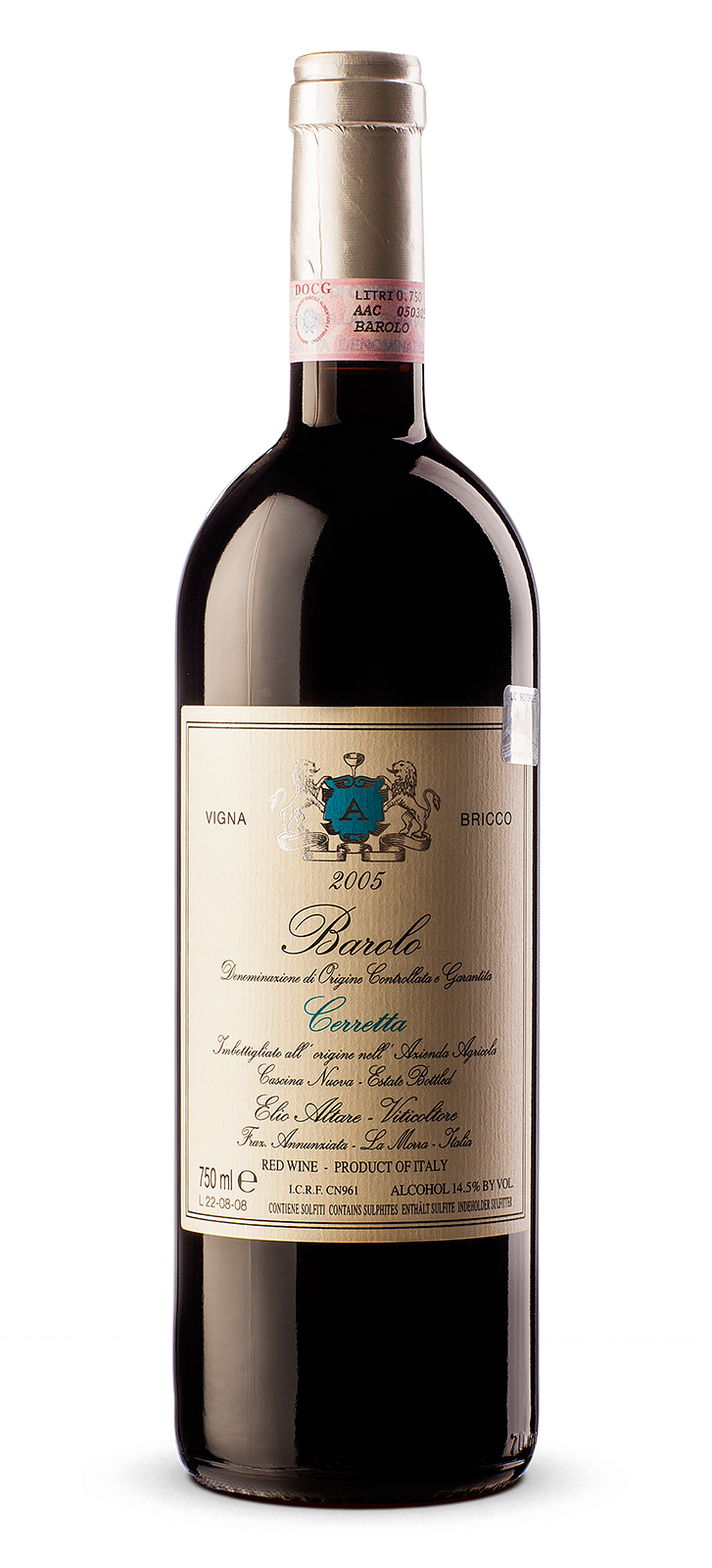
Elio Altare Barolo DOCG “Cerretta Vigna Bricco” 2019

SKU: ITPIALTWIRE475019 Category:
Nebbiolo | Piedmont | Italy | Red Wine | Elio Altare | 2019 | 0,75 L | 14,5 %
About
Elio Altare Barolo DOCG "Cerretta Vigna Bricco" 2019 is a dry red wine made from 100 % Nebbiolo grapes in the celebrated Piedmont region of Italy, specifically from the historic “Cerretta” vineyard in Serralunga d'Alba. The “Vigna Bricco” refers to the highest-lying parcel of the vineyard, where vines benefit from optimal sun exposure, limestone-rich soils, and careful biodynamic cultivation under the supervision of Elio Altare. This wine is a true crianza (riserva), matured for 24 months in French barriques followed by extended bottle ageing, resulting in a powerful yet refined expression of Serralunga terroir.
Producer
Grandfather Giuseppe (Giuseppe Altare) arrived in Lamorra in 1948. Altares comes from the small town of Doljani; the farm in Lamorra was acquired only in the last century. At the time, it owned five hectares of vineyards with Nebbiolo, Barbera and Dolcetto vines, as well as an orchard with peach trees, hazelnuts and apple trees. Those were the times when orchards were more profitable than vineyards. It was not an easy time - the post-war economic crisis continued for many years. Elio Altare and some friends decided to go beyond the borders of Piedmont to learn more about the art of winemaking and to draw from the experience of the most successful wine regions. The first trip to Burgundy in January 1976 was a real revelation, and when he returned home, Elio clearly understood that a serious change was needed. He wasn't afraid of that: Elio handled the chainsaw like a knight's sword. First he cut down the fruit trees, then chopped the large wooden barrels of the wine cellar into firewood. So he made room for his first new, much smaller French-style wooden barrel - barrique. Elio's father Giovanni did not understand him. The son's radical methods were too different from his way of thinking. Giovanni, who came from an older generation that had seen poorer times, was unable to make these decisions; he felt it was a crime against common sense and the Italian winemaking tradition. The disagreement was so great that Giovanni and Elio stopped talking. Giovanni died in 1985, tragically leaving Elio out of his will. But Elio continued to work and in time was able to buy back the family winery and vineyards from his brothers and sisters. Elio remained steadfast then, and he remains so to this morning. He stubbornly decided to change the direction of the winery's development and give the family wine a new character, favoring elegance, sophistication and a balanced taste. Elio achieved this by following a strict regime in his vineyards and introducing new vinification and aging techniques in the wine cellar. The farm is still family owned and operated. Under Elio's management, 10 hectares of vineyards are cultivated, producing an average of 70,000 bottles of wine per year. Since 2003, Elio's eldest daughter Silvia has been working alongside her father, while the youngest, Elena, has moved to Germany, where she runs a wine import company.
Tasting notes

On the nose, the 2019 vintage opens with deep aromas of dark forest fruits, black cherry, wild raspberry and ripe plum, layered with licorice, tobacco, earth and subtle balsamic and mineral undertones. On the palate it reveals a concentrated yet elegant structure, with firm, velvety tannins and flavors of black cherry, plum, graphite, mocha and spice — hints of lavender and forest floor add depth. The finish is long and persistent, polished by oak, with a sophisticated herbal-balsamic aftertaste that lingers gracefully.

Pairing

This robust and complex Barolo pairs beautifully with hearty dishes — think braised red meats, game (such as venison or wild boar), richly sauced beef or lamb, and mature cheeses. It also complements dishes with truffle, mushrooms or earthy sauces, bringing out the wine’s depth and structure.

9 in stock

133.00 

Grandfather Giuseppe (Giuseppe Altare) arrived in Lamorra in 1948. Altares comes from the small town of Doljani; the farm in Lamorra was acquired only in the last century. At the time, it owned five hectares of vineyards with Nebbiolo, Barbera and Dolcetto vines, as well as an orchard with peach trees, hazelnuts and apple trees. Those were the times when orchards were more profitable than vineyards. It was not an easy time - the post-war economic crisis continued for many years. Elio Altare and some friends decided to go beyond the borders of Piedmont to learn more about the art of winemaking and to draw from the experience of the most successful wine regions. The first trip to Burgundy in January 1976 was a real revelation, and when he returned home, Elio clearly understood that a serious change was needed. He wasn't afraid of that: Elio handled the chainsaw like a knight's sword. First he cut down the fruit trees, then chopped the large wooden barrels of the wine cellar into firewood. So he made room for his first new, much smaller French-style wooden barrel - barrique. Elio's father Giovanni did not understand him. The son's radical methods were too different from his way of thinking. Giovanni, who came from an older generation that had seen poorer times, was unable to make these decisions; he felt it was a crime against common sense and the Italian winemaking tradition. The disagreement was so great that Giovanni and Elio stopped talking. Giovanni died in 1985, tragically leaving Elio out of his will. But Elio continued to work and in time was able to buy back the family winery and vineyards from his brothers and sisters. Elio remained steadfast then, and he remains so to this morning. He stubbornly decided to change the direction of the winery's development and give the family wine a new character, favoring elegance, sophistication and a balanced taste. Elio achieved this by following a strict regime in his vineyards and introducing new vinification and aging techniques in the wine cellar. The farm is still family owned and operated. Under Elio's management, 10 hectares of vineyards are cultivated, producing an average of 70,000 bottles of wine per year. Since 2003, Elio's eldest daughter Silvia has been working alongside her father, while the youngest, Elena, has moved to Germany, where she runs a wine import company.
Nebbiolo wines tipically have rich, but elegant tannins, high acidity and unic scent – often characterized as "roses and tar". After a few years of vintage, most Nebbiolo wines begin fading from intensive ruby to a glorious brick orange color and developing flavors of mushroom, moss, leather and black pepper.
Barolo wines are the best Nebbiolo can offer - they are luxurious and sophisticated. At young age these wines show uncontrollable temper with sharp and high tannins and almost searing acidity, though already noticeable aromas of violets, red currant and licorice. With age the wine bouquet acquires the wealth and fullness deprived in its youth as the taste becomes more rounded, adding peppery tones and shades of red berries, but the aromas are replaced by flavors of tobacco, leather and tar. Barolo wines are worth saving for important occasions - they are excellent even after 20 years of aging.