


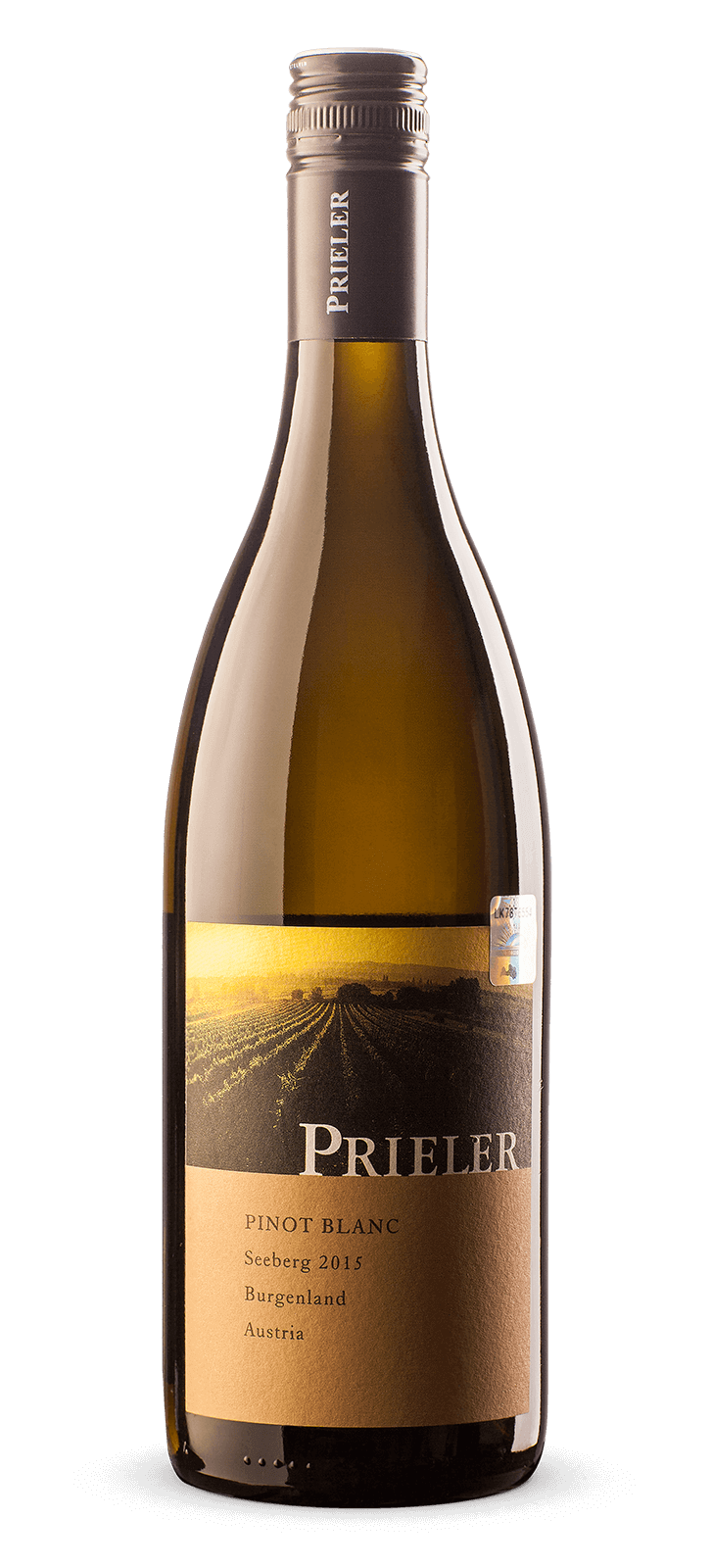
Prieler Pinot Blanc “Seeberg” 2024

Pinot Blanc | Burgenland | Austria | White Wine | Weingut Prieler | 2024 | 0,75 L | 14 %
About
Prieler Pinot Blanc “Seeberg” 2024 is a dry white wine, crafted exclusively from Pinot Blanc grapes grown in the Seeberg vineyard, located in the Leithaberg DAC region of Burgenland, Austria. This area is known for its limestone-rich soils and cool climate, which lend finesse and structure to the wines. Prieler, a family-run estate, is celebrated for its precise, terroir-driven expressions, and “Seeberg” 2024 is a reflection of their commitment to quality and minimal intervention winemaking.
Tasting notes
Prieler Pinot Blanc “Seeberg” 2024 opens with delicate aromas of white peach, pear, and subtle citrus blossom. On the palate, it shows vibrant acidity and a fine mineral texture, revealing notes of crisp apple, lemon zest, and a hint of almond. The finish is clean, elegant, and persistently fresh, highlighting its cool-climate origins.
Pairing
This Pinot Blanc pairs wonderfully with light seafood dishes such as grilled prawns or seared scallops, where its acidity complements the natural sweetness of the seafood. It also matches well with vegetable risottos or soft cheeses like Brie, offering a balanced and refreshing combination.
11 in stock
Related products
-
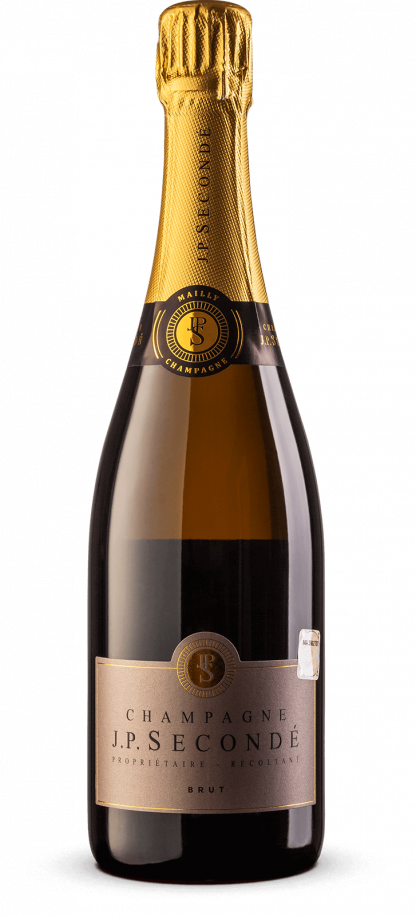
J.P. Seconde Brut “Tradition”
 Original price was: 39.68 €.39.68 €Current price is: 39.68 €.
Add to cart
Original price was: 39.68 €.39.68 €Current price is: 39.68 €.
Add to cart -
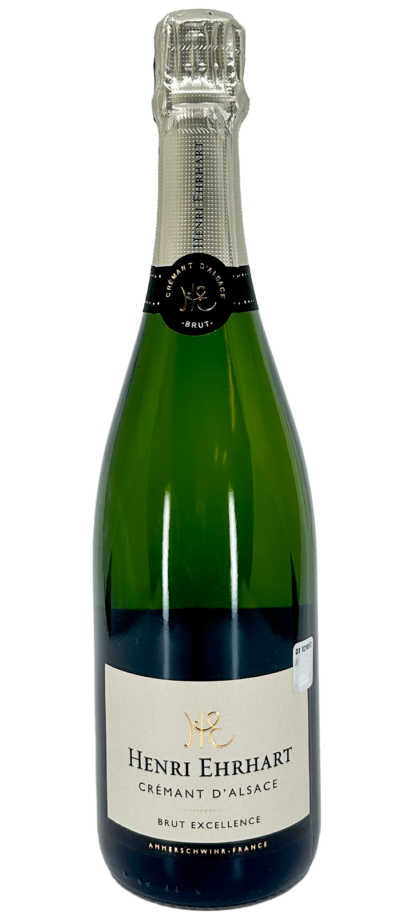
Henri Ehrhart Cremant d`Alsace “Brut” NV
Original price was: 18.00 €.18.00 €Current price is: 18.00 €.
Add to cart -
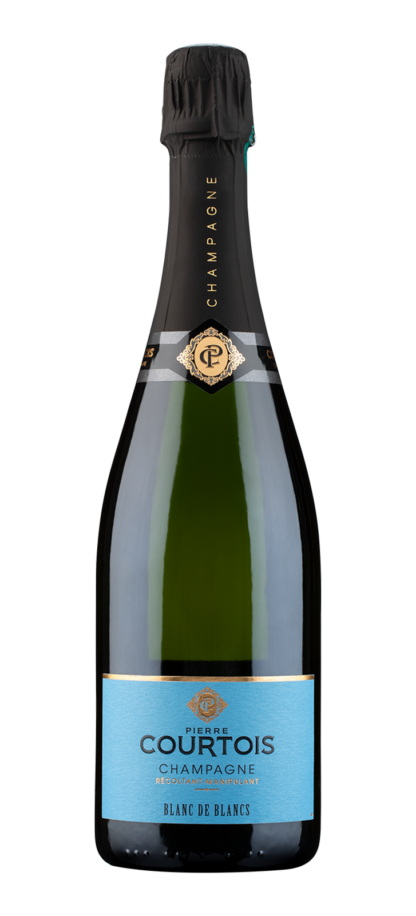
Courtois Brut Blanc de Blancs
Original price was: 45.50 €.45.50 €Current price is: 45.50 €.
Add to cart -
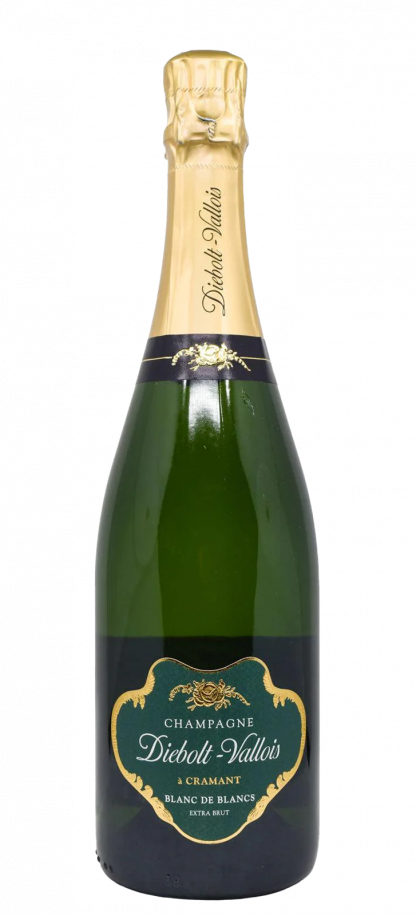
Diebolt-Vallois Brut Blanc de Blancs NV Magnum
Original price was: 121.00 €.102.85 €Current price is: 102.85 €.
Add to cart -
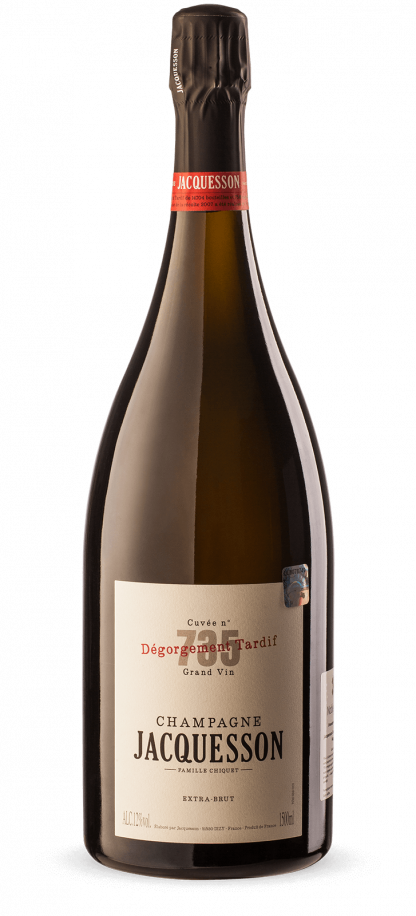
Jacquesson Extra-Brut “Cuvee 741 D.T.”
137.00 €
Add to cart -
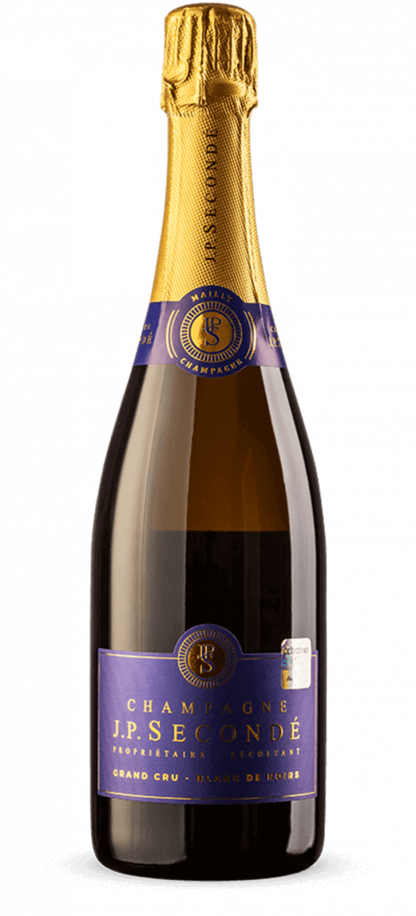
J.P. Seconde Brut Blanc de Noirs
Original price was: 43.00 €.43.00 €Current price is: 43.00 €.
Add to cart -
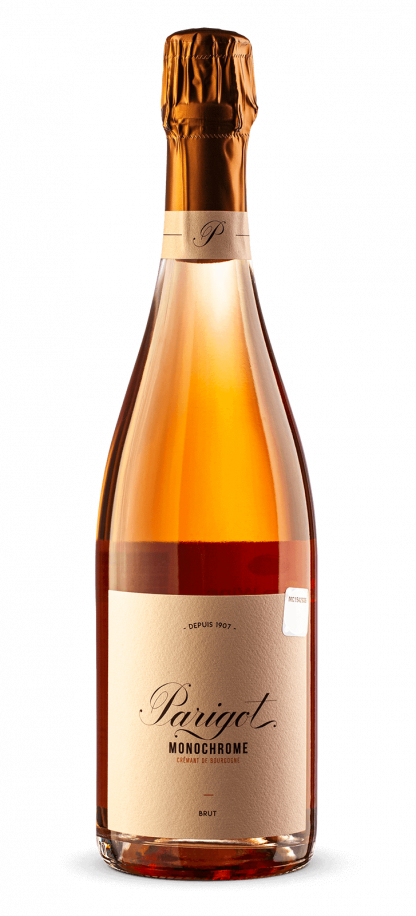
Parigot Monochrome Brut Rose NV
Original price was: 29.90 €.29.90 €Current price is: 29.90 €.
Add to cart -
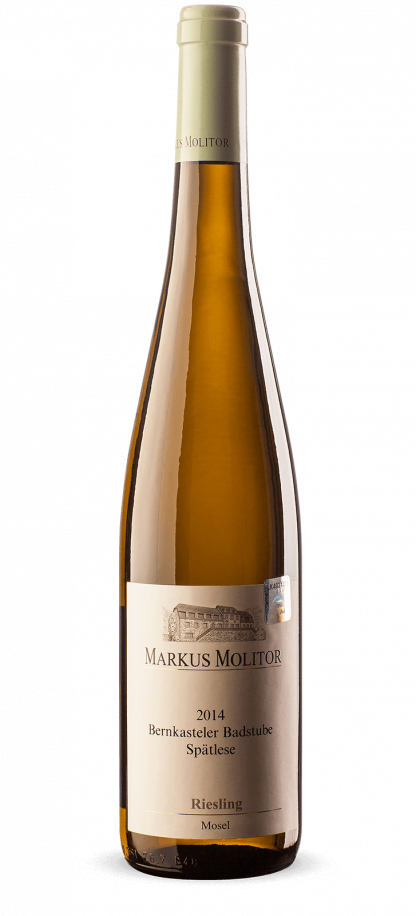
Markus Molitor Riesling “Bernkasteler Lay” Spatlese Trocken 2021
29.70 €
Add to cart -
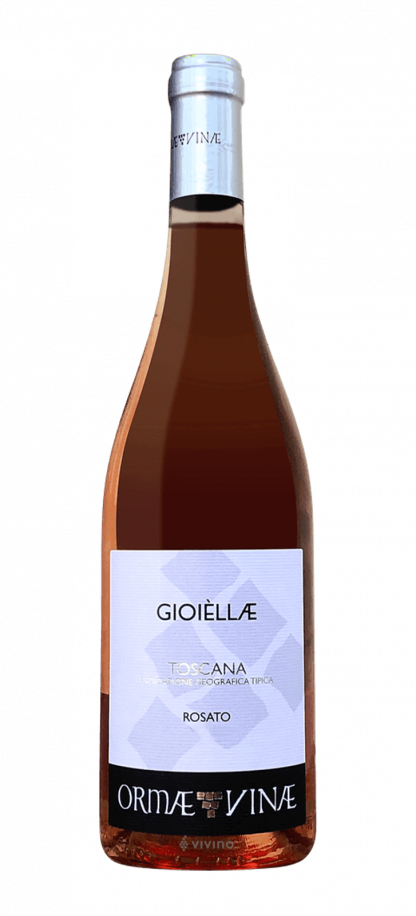
Ormae Vinae “Gioiellae” Toscana IGT 2020
 24.10 €
Add to cart
24.10 €
Add to cart -
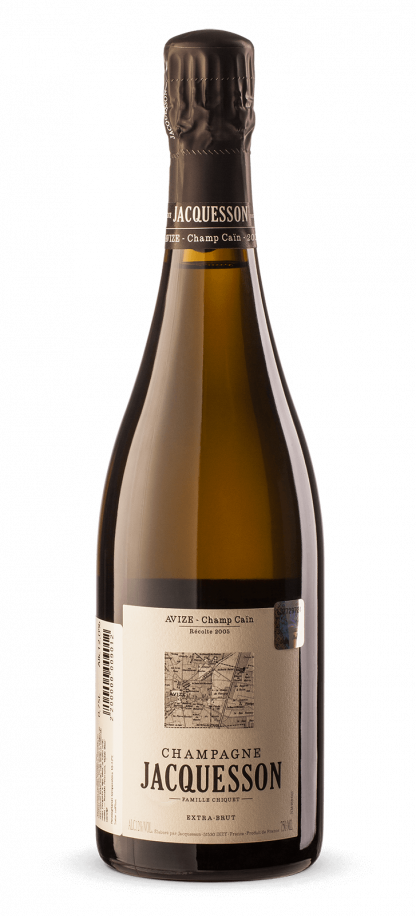
Jacquesson Blanc de Blancs “Avize Champ Cain” 2013
226.00 €
Add to cart -
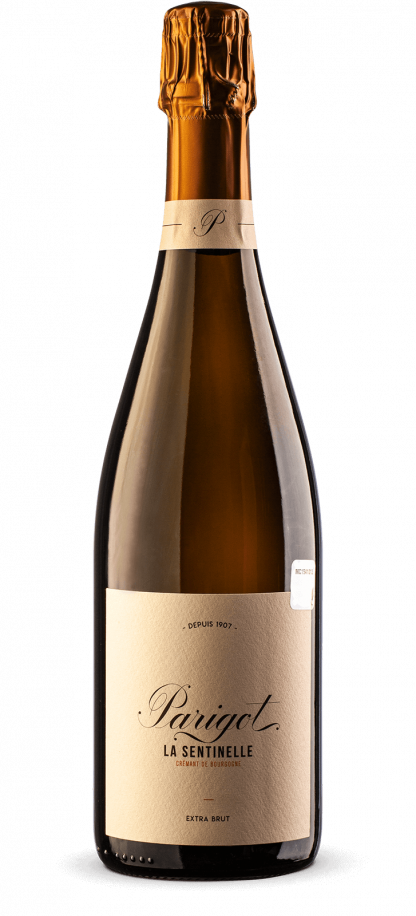
Parigot Blans de Blancs Extra Brut “La Sentinelle”
Original price was: 29.50 €.29.50 €Current price is: 29.50 €.
Add to cart -
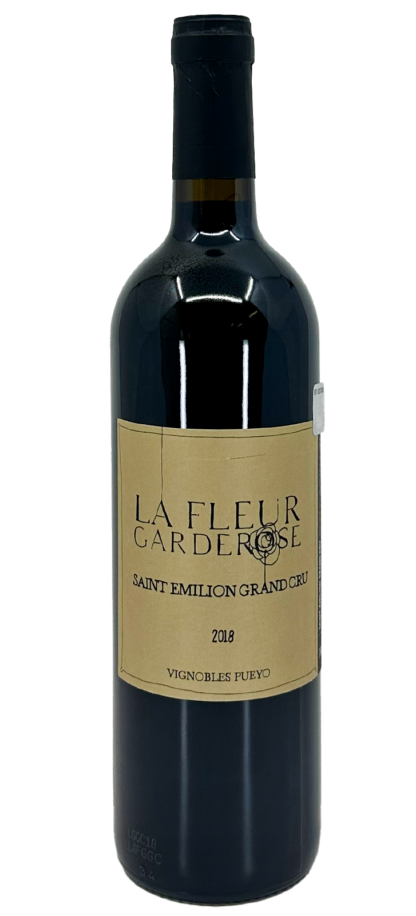
Vignobles Pueyo “Fleur Garderose” St.Emilion Grand Cru 2018
 44.60 €
Add to cart
44.60 €
Add to cart -
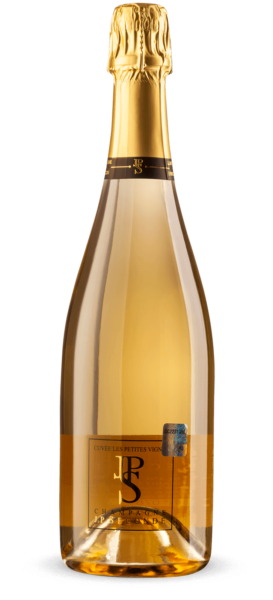
J.P. Seconde Blanc de Noirs “Les Petit Vignes”
Original price was: 56.00 €.47.60 €Current price is: 47.60 €.
Add to cart -
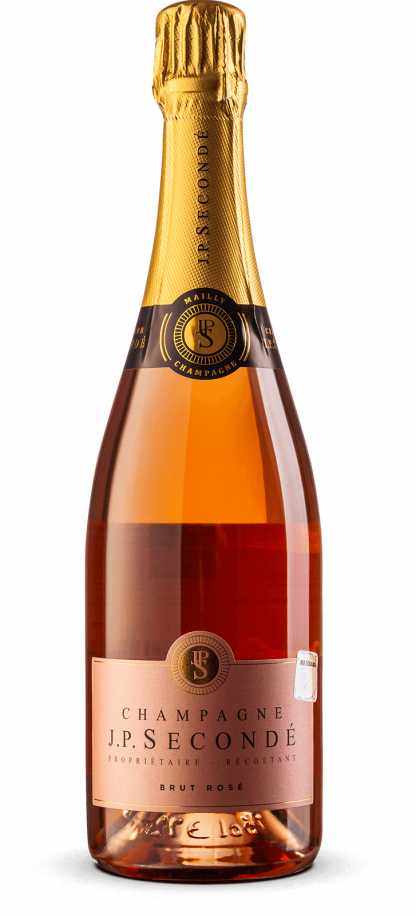
J.P. Seconde “Tradition” Brut Rose
Original price was: 45.00 €.45.00 €Current price is: 45.00 €.
Add to cart -
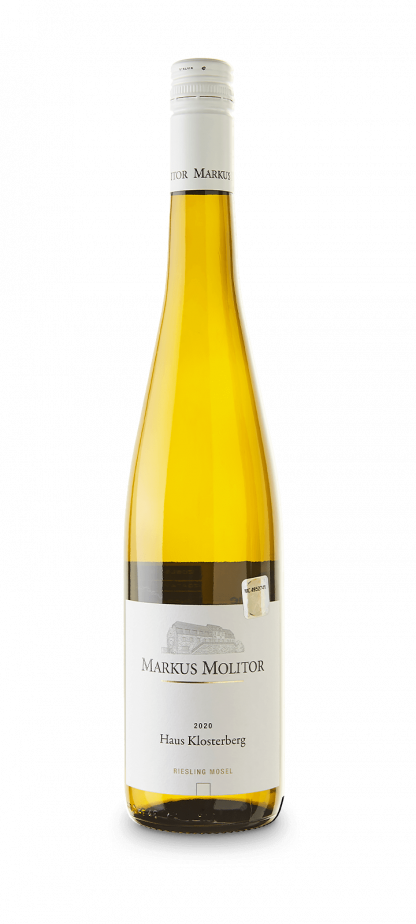
Markus Molitor Riesling “Haus Klosterberg” Trocken 2021
21.50 €
Add to cart -
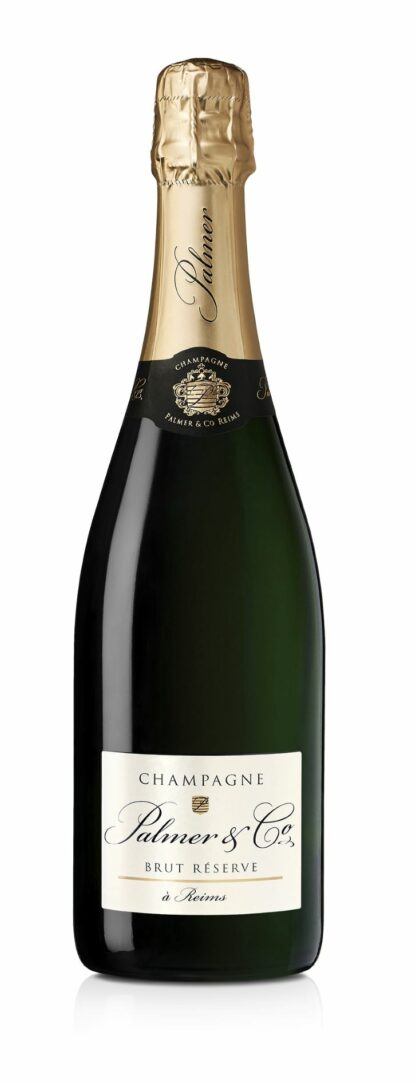
Champagne Palmer & Co Brut “Reserve” NV 0,375l
Original price was: 36.16 €.36.16 €Current price is: 36.16 €.
Add to cart
Pinot Blanc
Pinot Blanc is flexible white-wine grape variety, it can produce quite different styles of wine, depending on winemaker techniques. It produces a medium to full-bodied wine with elevated acidity, good structure and responds well to oak influence. Pinot Blanc's varietal deep flavors characters often include apple and almond, and sometimes hint of smoke.
Burgenland
Burgenland is a large wine-producing region on the eastern border of Austria. Despite the country's image as the producer of some of the world's finest white wines, Austria is also home to a thriving red wine culture: Burgenland, with its sunny, continental summers, is the country's key red wine region, with its wines based mainly on the Blaufränkisch and Zweigelt grape varieties.
The region occupies a narrow strip of land that runs from the Danube River down to Steiermark in the south. On its eastern side is the border with Hungary, and to the west lies the most eastern foothills of the Alps. Steiermark aside, Burgenland is one of Austria's southernmost wine regions, and topographically is more aligned with Hungary than with much of the rest of Austria.
Burgenland is home to four DAC appellations: from north to south; Neusiedlersee, Leithaberg, Mittelburgenland and Eisenberg. Within each of these zones, any wines which do not conform to the particular classification are labeled with the Burgenland appellation.
Burgenland's Lake Neusiedl (Neusiedlersee) is one of the viticultural focus points of the region. It stores summer heat from the Pannonian Plain, an expansive, warm area which covers much of Hungary and eastern Austria, effectively lengthening the ripening season into autumn.
In contrast to the other Burgenland DACs all of the wines of Leithaberg DAC qualify. Red wines must be made predominantly with Blaufränkisch. White grape varieties are Chardonnay, Pinot Blanc, Neuberger and Grüner Veltliner, either varietally or as a blend.
Mittelburgenland, south of the Neusiedlersee, is perhaps the most notable of Burgenland's red wine regions. The spicy red wines made here from Blaufränkisch have garnered the region its own DAC title, and the variety accounts for more than half of all vineyard land in the region.