



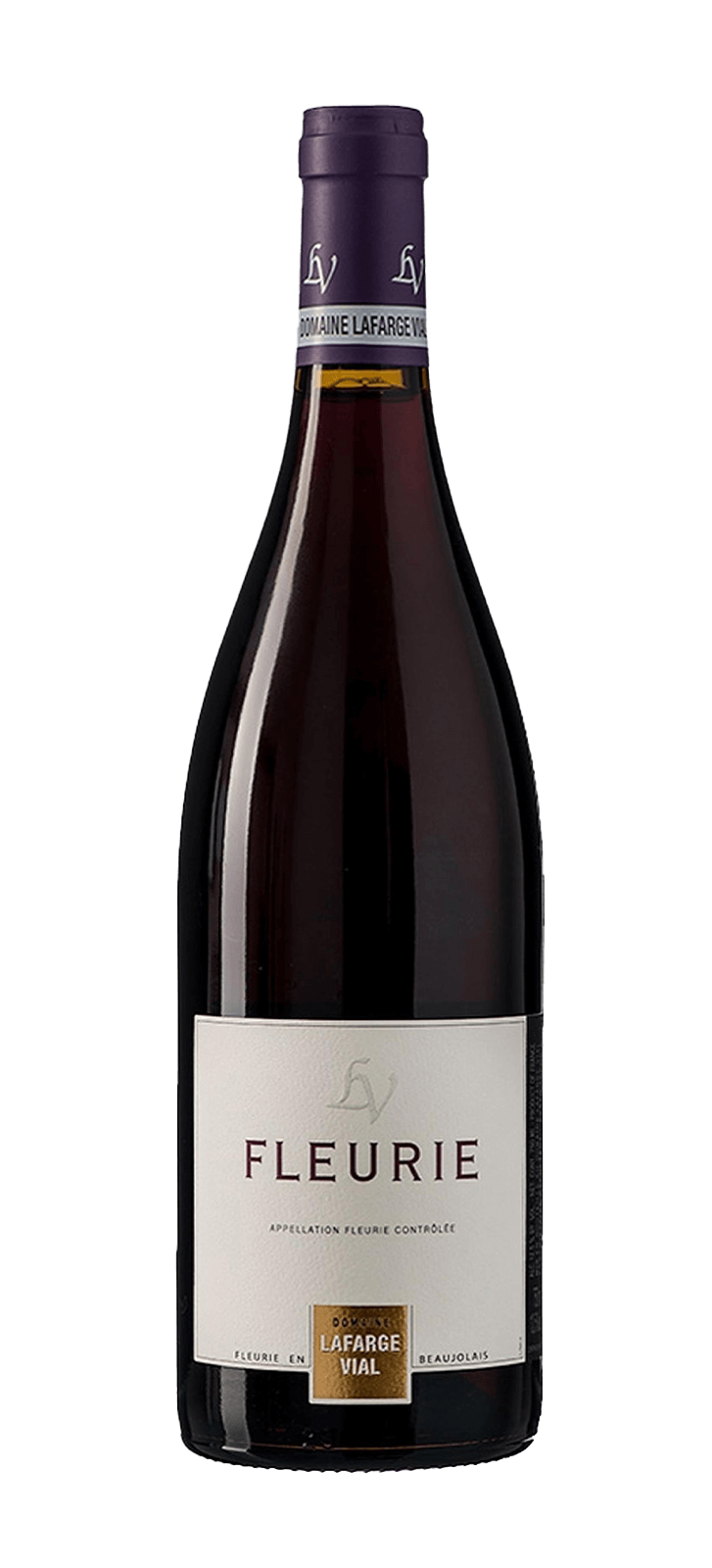
Lafarge Fleurie 2022

Gamay | Burgundy | France | Red Wine | Domaine Lafarge | 2022 | 0,75 L | 13 %
About
Lafarge Fleurie 2022 is a dry red wine crafted from Gamay grapes, sourced from the Fleurie appellation in the Beaujolais region of France, an area celebrated for its elegant and aromatic expressions of this variety. Produced with respect for the local terroir, this wine showcases the finesse and floral character that Fleurie is known for. The 2022 vintage reflects a harmonious balance between vibrant fruit and delicate structure, making it an authentic and captivating expression of Beaujolais.
Producer
Winery Domaine Michel Lafarge produces Burgundy wines and is located in Wolnay, in the region of Côte de Beaune. The family-owned winery was founded in the 18th century by Michel Lafarge's great-great-grandfather. In 1995, Michel Lafarge was one of the first in Burgundy to experiment with biodynamic viticulture, and he is also known for his techniques of minimal interference with the processes taking place in the winery and vineyards. Michel Lafarge and his son Frederic work together to produce wine from Chardonnay and Pinot Noir grapes, which they grow on 10 hectares in Wolnay. Winery Michel Lafarge is known for its red wine from Pinot Noir, which is grown in a Premier Cru vineyard called Clos des Chênes in the village of Volnay. All wines are aged in oak barrels (5% new) and are minimally cleaned and filtered before bottling.
Tasting notes
Lafarge Fleurie 2022 Rouge offers an enticing bouquet of red cherries, raspberries, and wild strawberries, intertwined with subtle notes of violet and fresh herbs. The palate is silky and refined, with juicy red fruit flavors, gentle spice, and a touch of minerality. A smooth, graceful finish leaves a lingering impression of freshness and elegance.
Pairing
This Fleurie pairs beautifully with roasted poultry or herb-crusted lamb, where its freshness and floral notes enhance the dish’s savory depth. It also complements charcuterie boards or soft-ripened cheeses, creating a delightful harmony at the table.
13 in stock
Related products
-
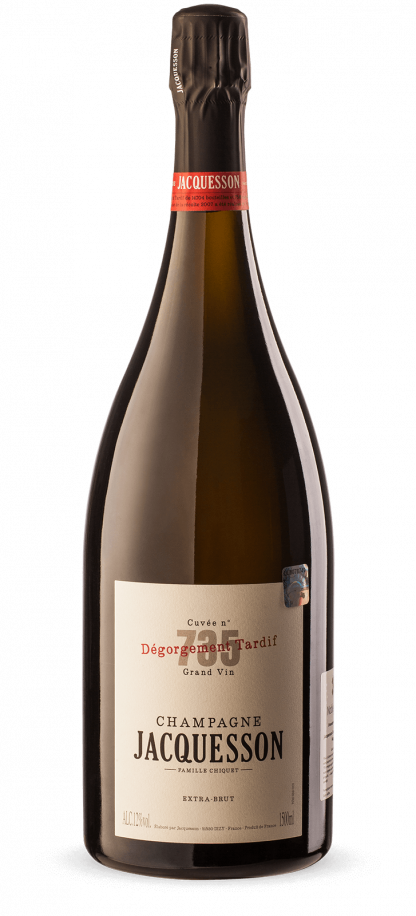
Jacquesson Extra-Brut Blanc de Noirs “Ay Vauzelle Terme” 2013
 261.00 €
Add to cart
261.00 €
Add to cart -
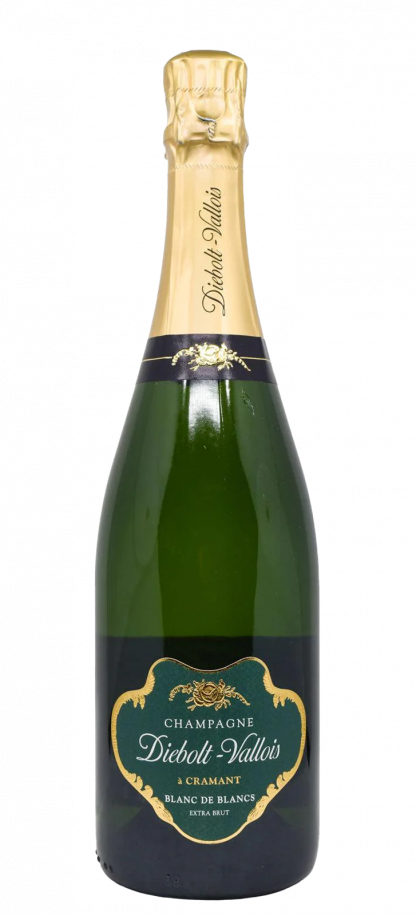
Diebolt-Vallois Brut Blanc de Blancs NV Magnum
121.00 €
Add to cart -
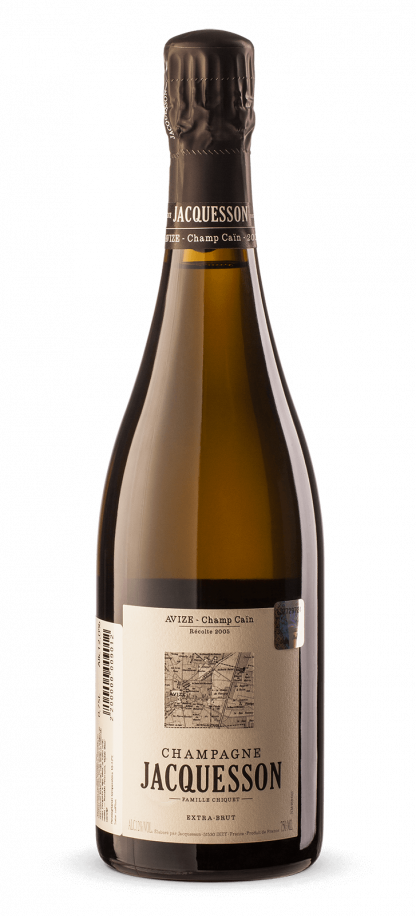
Jacquesson Blanc de Blancs “Avize Champ Cain” 2013
226.00 €
Add to cart -
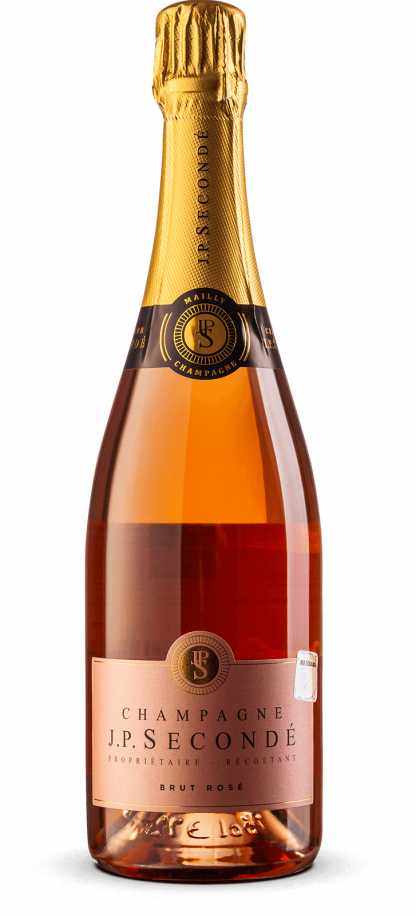
J.P. Seconde “Tradition” Brut Rose
Original price was: 45.00 €.45.00 €Current price is: 45.00 €.
Add to cart -
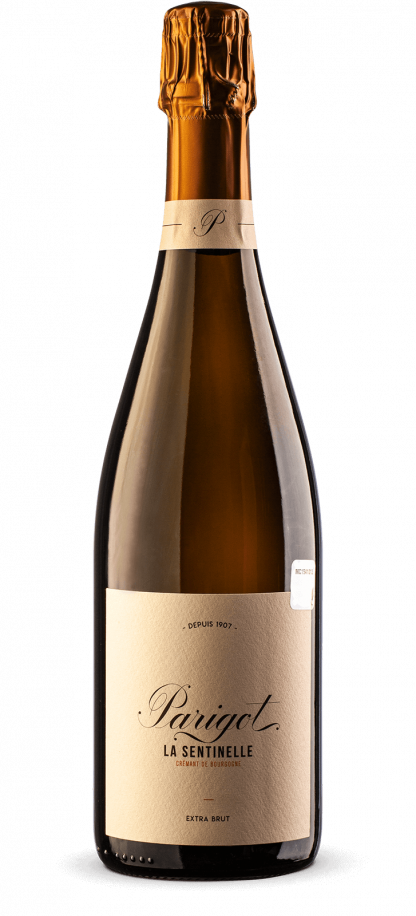
Parigot Blans de Blancs Extra Brut “La Sentinelle”
Original price was: 29.50 €.29.50 €Current price is: 29.50 €.
Add to cart -
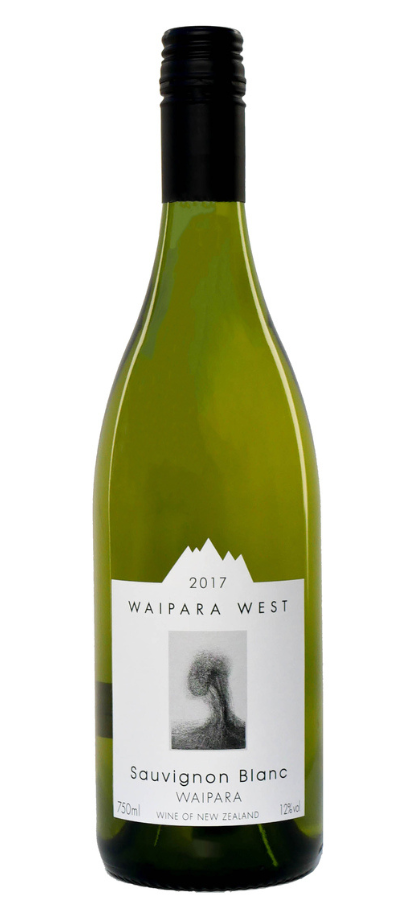
Waipara West Sauvignon Blanc 2023
 23.70 €
Add to cart
23.70 €
Add to cart -
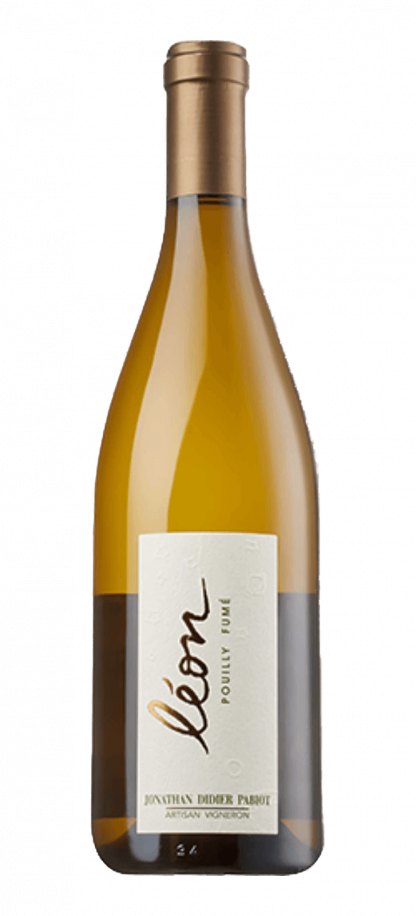
Jonathan Didier Pabiot “Leon” Pouilly-Fume 2023
34.80 €
Add to cart -
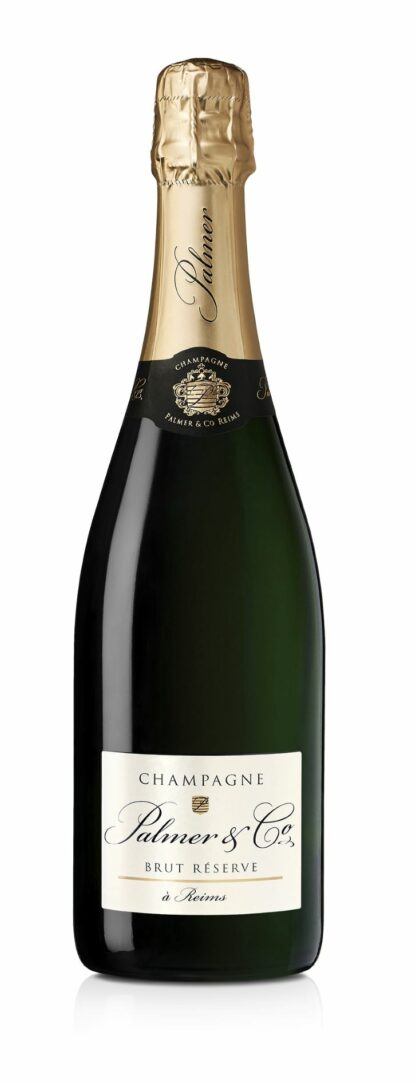
Champagne Palmer & Co Brut “Reserve” NV 0,375l
Original price was: 36.16 €.36.16 €Current price is: 36.16 €.
Add to cart -
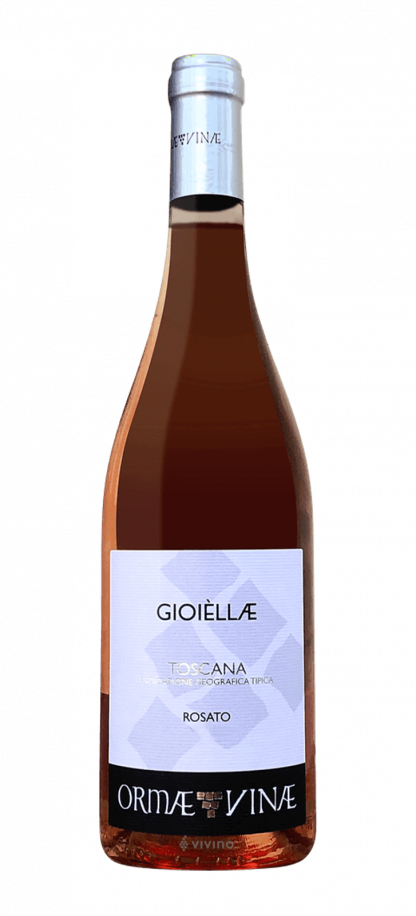
Ormae Vinae “Gioiellae” Toscana IGT 2020
 Original price was: 24.10 €.21.69 €Current price is: 21.69 €.
Add to cart
Original price was: 24.10 €.21.69 €Current price is: 21.69 €.
Add to cart -
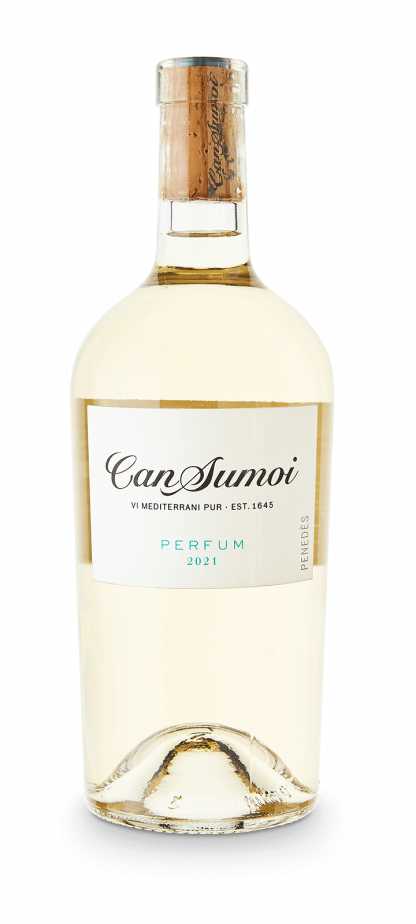
Can Sumoi Penedes “Perfum” 2021
20.30 €
Add to cart -
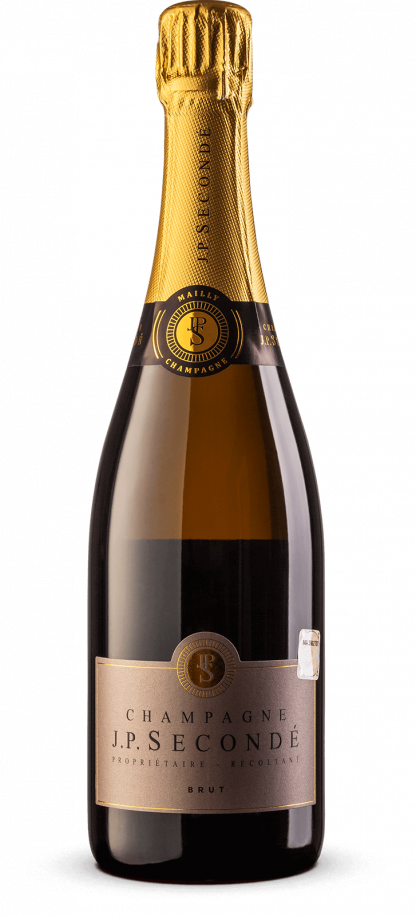
J.P. Seconde Brut “Tradition”
Original price was: 39.68 €.39.68 €Current price is: 39.68 €.
Add to cart -
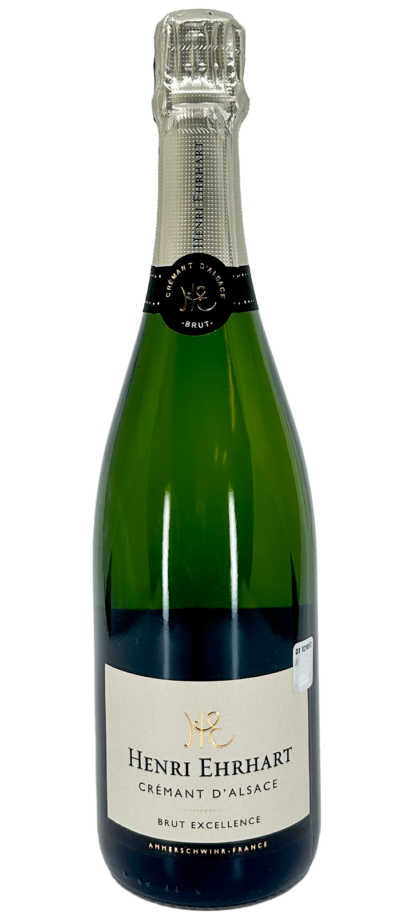
Henri Ehrhart Cremant d`Alsace “Brut” NV
Original price was: 18.10 €.18.10 €Current price is: 18.10 €.
Add to cart -
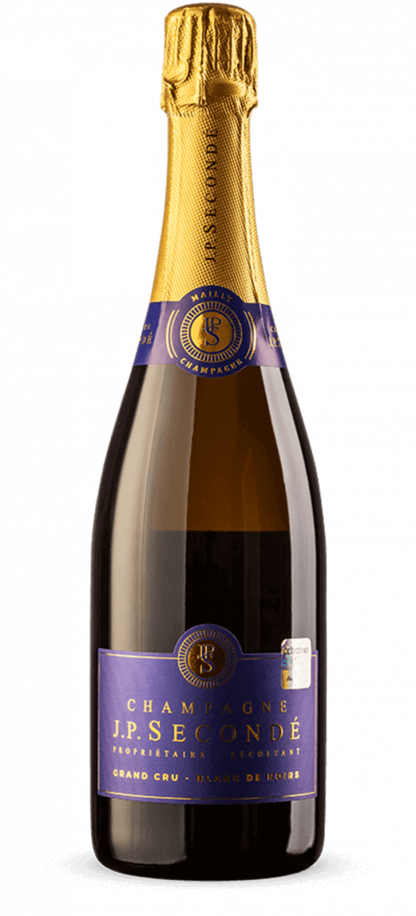
J.P. Seconde Brut Blanc de Noirs
Original price was: 43.00 €.43.00 €Current price is: 43.00 €.
Add to cart -
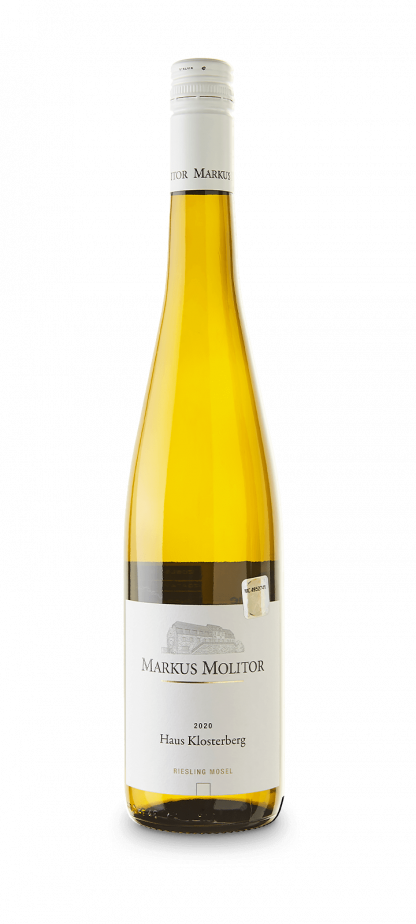
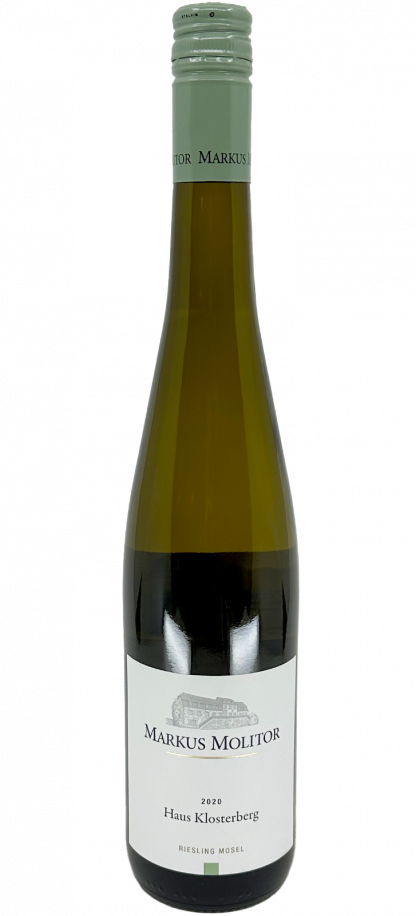
Markus Molitor Riesling “Haus Klosterberg” Trocken 2021
21.23 €
Add to cart -
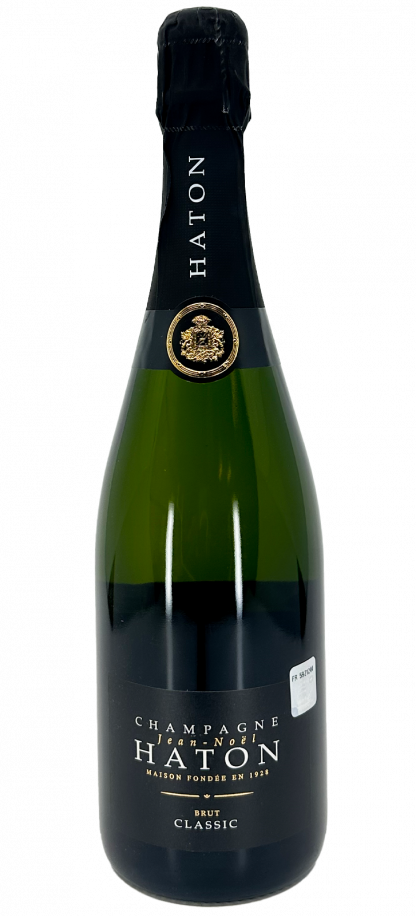
Jean-Noel Haton Brut Classic
43.00 €
Add to cart -
J.P. Seconde Brut “Tradition” 0,375l
Original price was: 29.00 €.29.00 €Current price is: 29.00 €.
Add to cart
Gamay variety gives fresh, candied aromas and red-berries, it usually delivers little in the way of buquet concentration and body weight, giving very light wines. That said, some well-made examples can be complex, fine structured and deep.
Beaujolais
This part of Burgundy has lost its good reputation due to a particular wine style however it will always be special for wine lovers – one can find a very good price/quality ratio here. It is interesting that all of the "Cru" gardens use the Gamay grape – although it is the little brother of Pinot Noir, some gardens, such as Morgon, Moulin-a-Vent and Fleurie, reach a similar complexity to some of the Côte d'Or Premier Cru wines. Wines are mostly saturated in colour and have intense dark berry and ground notes in the aroma.
Burgundy
Burgundy (Bourgogne) can be confusing because of the multiplicity of its appellations - all the small vineyards are divided between multiple producers so it can often be difficult to understand this diversity. However, it is the exact reason why the wines of Burgundy are considered to be the finest in the world. A common topic of discussion, when talking about Burgundy, is the concept of "terroir" - a unique combination of soil and climate conditions that affects the taste of wine in the appellations, making it unique to each village. Winemakers mainly use the capricious Pinot Noir and the classical Chardonnay to create true masterpieces, while Gamay and Aligote are used to make wines of a bit simpler style. Particular attention should be paid to the hierarchy of wines. First there are the regional and village wines, a step higher - the Premier Cru wines and the outstanding Grand Cru - at the top. Due the complex and inconsistent weather that can notably impact wine quality especially in bad harvest years, a very important factor here is the so called millesime - the harvest year of the grapes the particular wine is produced of, because each of these years has its own unique taste. Purchasing Burgundy wines is not easy because there are many details that should be taken into consideration - the class of the vineyard, the assessment of the manufacturer, the age of the vines, the quality of the wine as well as the millesime and, of course, the potential of ageing. The sellers play a big role here - they must be truly passionate about wine and able to offer only the best quality producers with a good reputation. That is exactly the way "Noble Wine" works!