


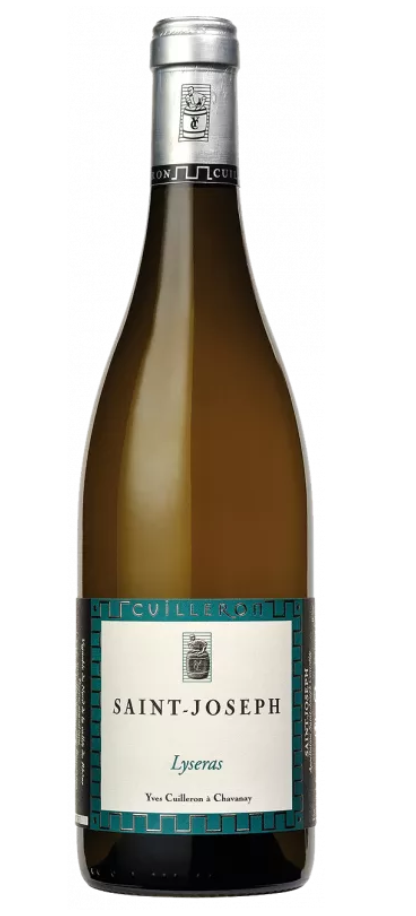
Yves Cuilleron St. Joseph “Lyseras” 2023

Marsanne & Roussane | Rhone | France | White Wine | Yves Cuilleron | 2023 | 0,75 L | 13 %
About
Yves Cuilleron St. Joseph "Lyseras" 2023 is a dry white wine made from a blend of Marsanne and Roussanne grapes, sourced from the St. Joseph appellation in the Northern Rhône Valley, France. This region is known for producing elegant and terroir-driven Rhône whites, and Cuilleron’s “Lyseras” exemplifies this tradition with its precision and character. Crafted with meticulous care and minimal intervention, this wine showcases the purity of its hillside vineyard origins and the skill of one of the region's most respected winemakers.
Tasting notes
“Lyseras” offers aromas of white peach, pear, and acacia blossom, layered with subtle notes of honey and almond. The palate is textured and vibrant, revealing flavors of stone fruits, citrus zest, and a mineral edge that reflects its granite soil origins. A graceful balance of freshness and roundness leads to a lingering, refined finish.
Pairing
This white Rhône blend pairs beautifully with roasted poultry, creamy seafood dishes, or grilled white fish. It also complements soft cheeses and vegetable risottos, highlighting its versatility at the table.
20 in stock
Related products
-
Champagne Palmer & Co Brut “Reserve” NV 0,375l
 36.16 €
Add to cart
36.16 €
Add to cart -
Champagne Palmer & Co “Grand Terroirs” 2015
100.00 €
Add to cart -
J.P. Seconde “Tradition” Brut Rose
Original price was: 45.00 €.45.00 €Current price is: 45.00 €.
Add to cart -
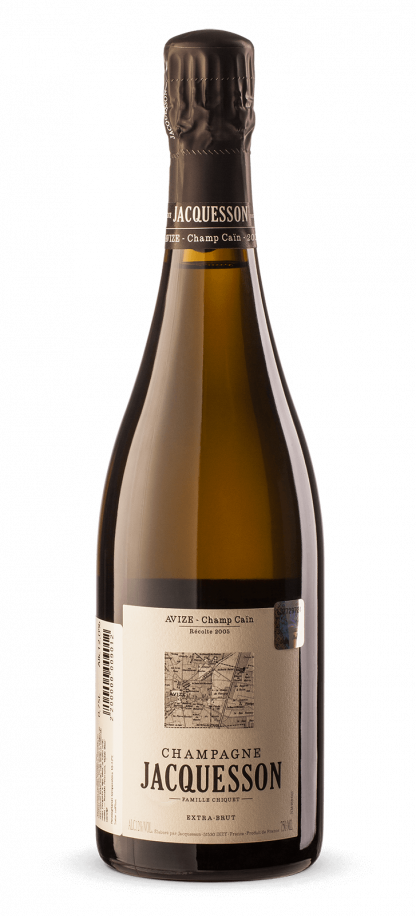
Jacquesson Blanc de Blancs “Avize Champ Cain” 2013
226.00 €
Add to cart -
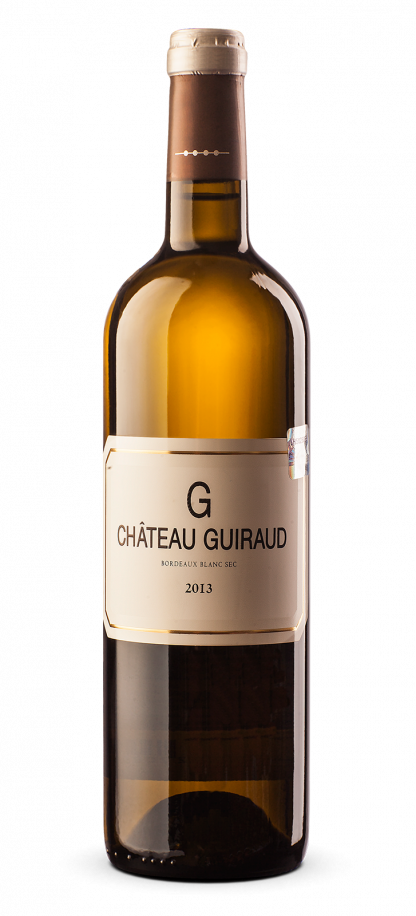
Chateau Guiraud “G de Guiraud” Bordeaux 2023
32.28 €
Add to cart -
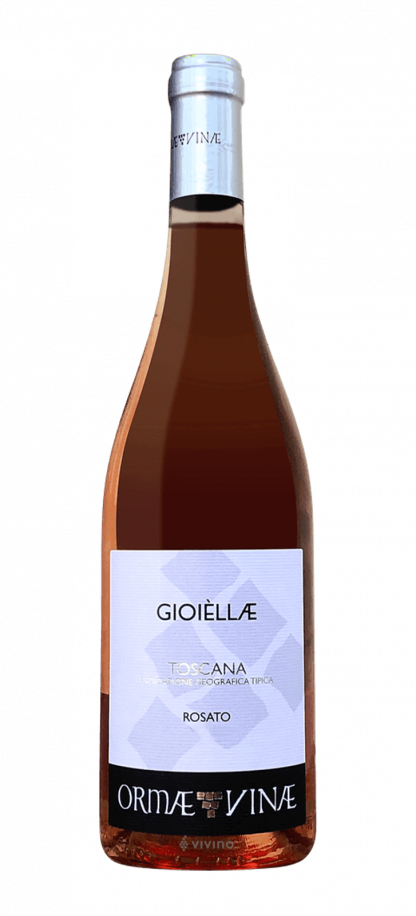
Ormae Vinae “Gioiellae” Toscana IGT 2020
 24.10 €
Add to cart
24.10 €
Add to cart -
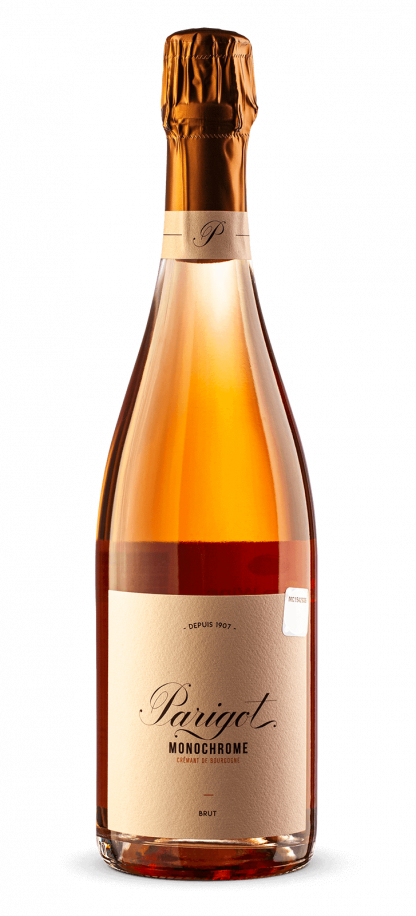
Parigot Monochrome Brut Rose NV
Original price was: 29.90 €.29.90 €Current price is: 29.90 €.
Add to cart -
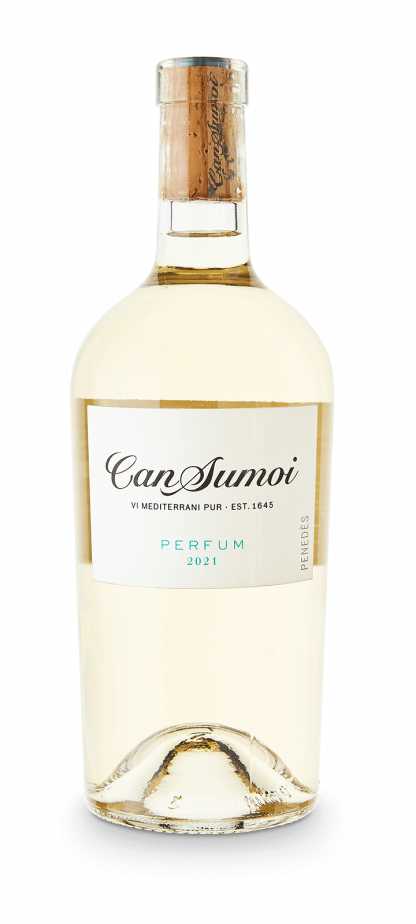
Can Sumoi Penedes “Perfum” 2021
20.30 €
Add to cart -
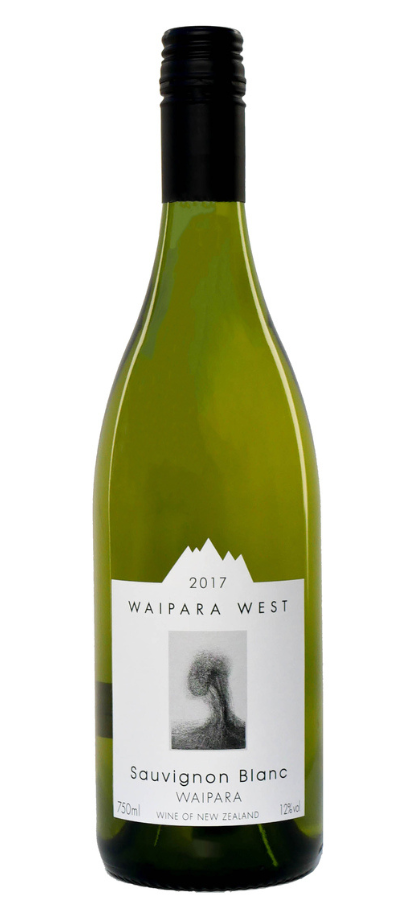
Waipara West Sauvignon Blanc 2023
23.70 €
Add to cart -
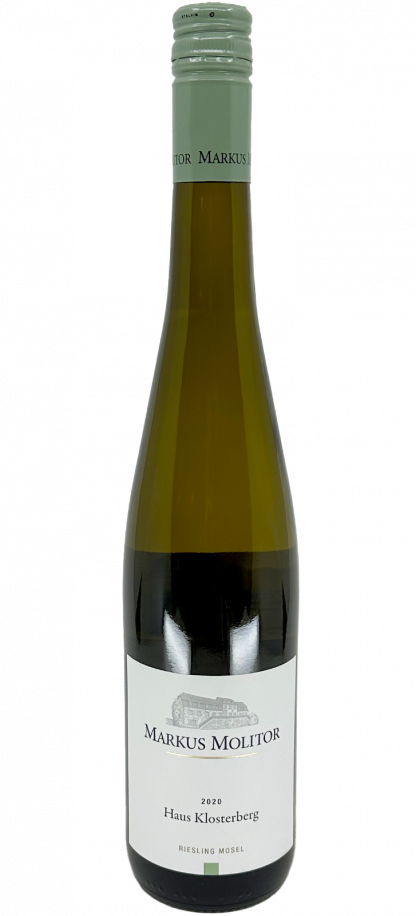
Markus Molitor Riesling “Haus Klosterberg” Feinherb 2022
21.20 €
Add to cart -
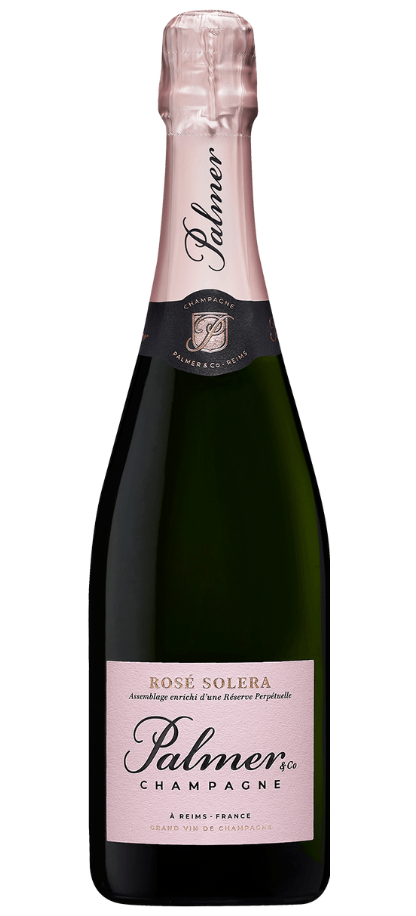
Champagne Palmer & Co Brut Rose “Solera” NV
77.09 €
Add to cart -
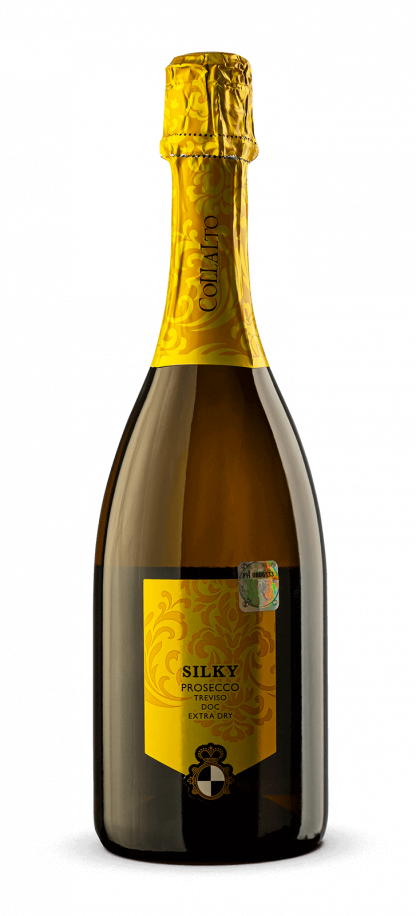
Collalto Prosecco “Silky” Treviso Extra Dry
Original price was: 18.00 €.18.00 €Current price is: 18.00 €.
Add to cart -
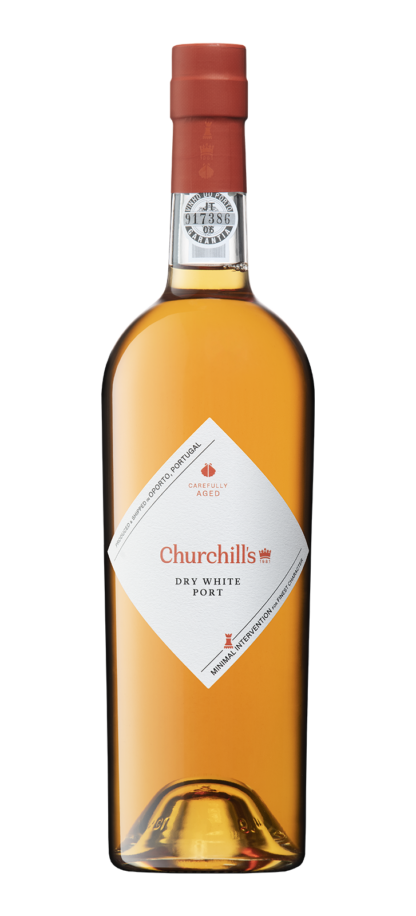
Churchill’s White Dry Port 0,75L
60.00 € Add to cart -
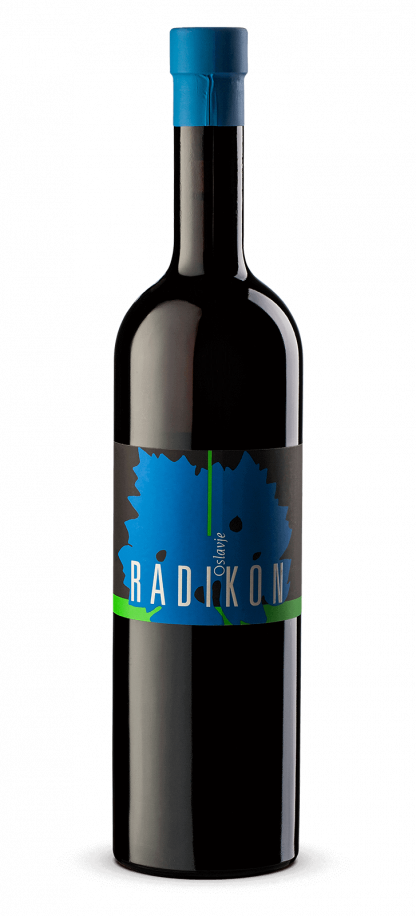
Radikon “Oslavje” 0,5L
47.30 €
Add to cart -
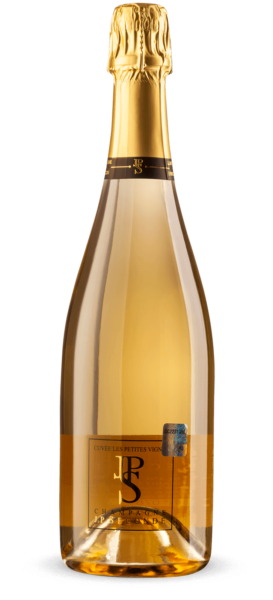
J.P. Seconde Blanc de Noirs “Les Petit Vignes”
Original price was: 56.00 €.56.00 €Current price is: 56.00 €.
Add to cart -
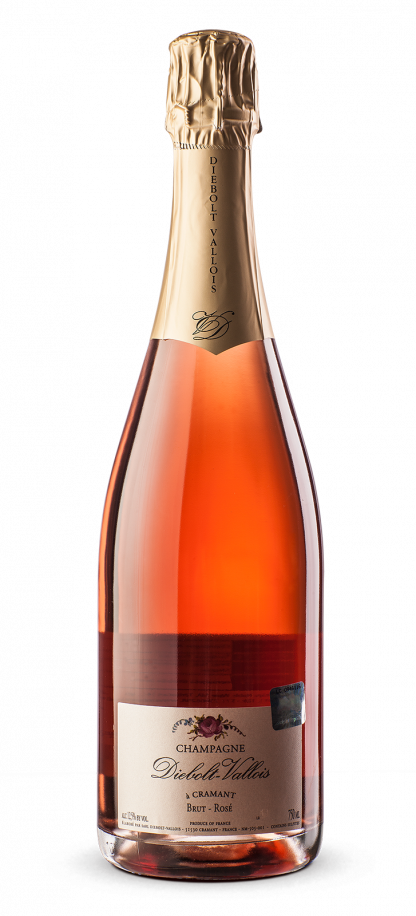
Diebolt-Vallois Brut Rose NV
Original price was: 57.19 €.57.19 €Current price is: 57.19 €.
Add to cart
Marsanne
Marsanne wines typically has straw-like color with some golden-green glints. On the nose the best examples have light mineral accent, complemented with hints of honeysuckle and melon.
Saint-Joseph
Saint-Joseph, located in France's northern Rhone Valley, is comfortably the region's largest appellation in terms of geographical coverage. When originally introduced, in 1956, it covered just six parishes, but following early commercial success and the subsequent drive for expansion, the boundaries were extended in 1969. It now covers more than 26 communes and stretches from Chavanay in the north to Chateaubourg in the south – a distance of roughly 30 miles (50km).
The Saint-Joseph appellation title covers both red wines made mainly from Syrah, and white wines made from Marsanne and Roussanne blended in varying proportions. High-quality red wines. These are generally made in a lighter style, for earlier consumption, and lean towards fruitier flavors with softer tannins rather than the meatier, leathery style of Hermitage.
White wines makes up only one in ten bottles of Saint-Joseph's production and are dry in style, with honeyed, floral aromas and balanced weight and acidity. They are in marked contrast to the sweet Muscat de Beaumes-de-Venise wines from the southern Rhone and the heavier Viognier-based wines of Condrieu and Chateau-Grillet.
The terroirs of Saint-Joseph vary considerably in the 50 km the appellation covers along the Rhone valley. The best sites are set on primary rock formations, consisting of gneiss, granite and mica-rich schist, while others are set on limestone outcrops, or the alluvial soils of ancient glacial terraces. These soils each bring their own characteristics to the wines produced from them.
Côtes du Rhône vineyards are located on the banks of the Rhône River. The soil and the geographical conditions are very heterogeneous in the northern and southern parts of the region therefore the valley is divided in two parts - Northern Rhône and Southern Rhône. Vines in Northern Rhône are mainly grown on so-called "terraces" - steep granite and slate slopes. Winemakers are often not very fond of the harsh mistral wind because of its low temperature. The unusual climate causes the vines to produce small yields, but at the same time provides an intense flavour that has given the wines of Northern Rhône worldwide fame. Syrah is the mainly used grape for red wines - it produces deep wines with hints of pepper that are suitable for long aging. Viognier is the queen of white wines, but Marsanne and Rousanne are also always close by. Some appellations allow white grapes to be added to red wines to smoothen the roughness of Syrah and enrich the wines with floral aromas. The landscapes of Southern Rhône are very different from the northern part - the vineyards are located along the river on low hills and plains and the weather is much friendlier. The grapes ripen in the hot summer sun and obtain a high sugar level resulting in rich and mouth-filling wines. The main grape used is Grenache, but 12 other varieties are allowed in the region - interestingly some wines even combine all of them.