


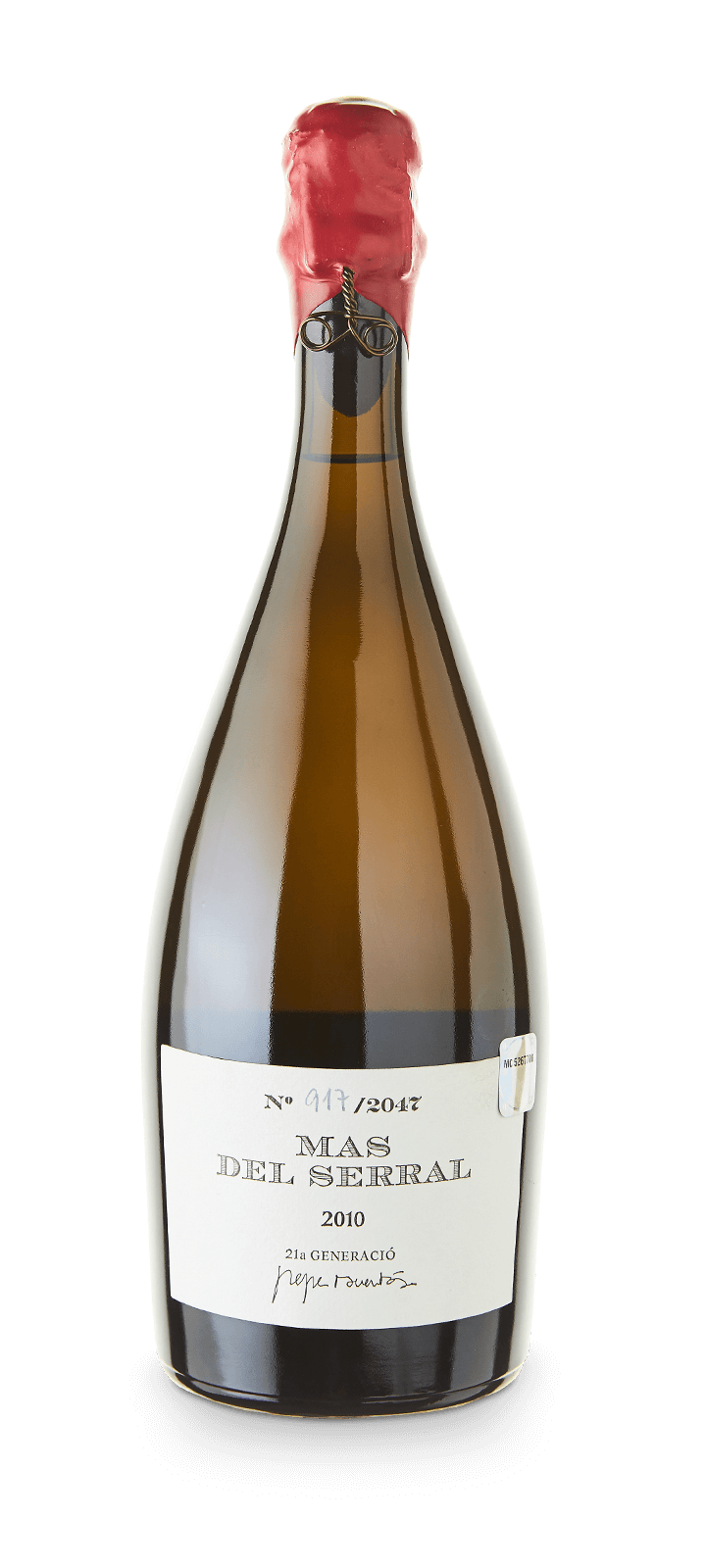
Roventos Conca del Riu Anoia “Mas del Serral” 2013

Macabeu & Parellada & Xarel.lo | Catalunya | Spain | Sparkling Wine | Raventos i Blanc | 2013 | 0,75 L | 12,5 %
About
Raventós i Blanc “Mas del Serral” 2013 is one of Spain’s most prestigious sparkling wines. It is produced from a single historic vineyard in the Conca del Riu Anoia region using biodynamic farming practices. Crafted using the traditional method and aged extensively on lees, the wine shows remarkable complexity, elegance, and depth. The 2013 vintage highlights refined minerality, freshness, and exceptional balance.
Producer
The wine-making history of the Raventos family began in the distant 1497, which makes this family one of the oldest wine dynasties operating in this industry without interruption. The first bottle of cava was bottled in 1872 by Josep Maria Raventós i Fatjo, initiating a tradition that was held in high esteem by subsequent generations. In 1986, he decided to sell his stake in Codorníu, the largest cava production in the world, which was still owned by the family at the time, and create a new winery, Raventós i Blanc, keeping only the best vineyards. Today the winery owns 46 plots of land, each with its own unique characteristics. Since then, the emphasis has been on quality and regionality, highlighting the characteristics of the terroirs of the São Sadurní d'Anoia region. The sparkling wine is made exclusively from Xarel-lo, Parellada, Macabeu and Monastrell (Mourvèdre) grapes, and is characterized by a complex multi-layered taste, expressiveness and durability. The current owner, Pepe Raventoss, places great value on a healthy vineyard environment through biological synergies in which animals, vines, soil and people act as one agricultural unit. In 2012, the winery received a biological farming certificate. Since 2013, Raventós i Blanc is no longer part of the Cava DO geographic origin region; the winery moved on to create a new appellation, designated by the principle of terroirs - Conca del Riu Anoia will run from the Mediterranean Sea to the Catalan mountains, between the rivers Anoia and Foz.
Tasting notes
Pale golden color with extremely fine and persistent bubbles. Aromas of citrus zest, white peach, green apple, toasted brioche, and chalky minerality. On the palate it is elegant, deep, and structured, with creamy texture, vibrant acidity, and a long mineral finish.
Pairing
Excellent with oysters, caviar, lobster, scallops, refined seafood dishes, and aged hard cheeses.
1 in stock
Related products
-
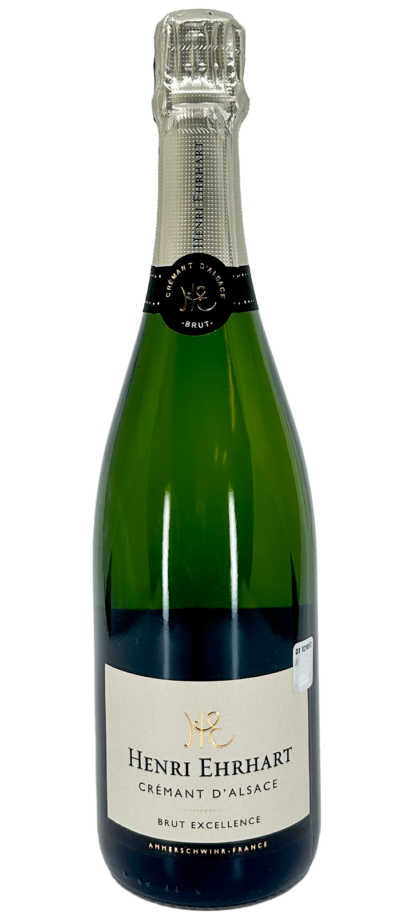
Henri Ehrhart Cremant d`Alsace “Brut” NV
Original price was: 18.10 €.18.10 €Current price is: 18.10 €.
Add to cart -
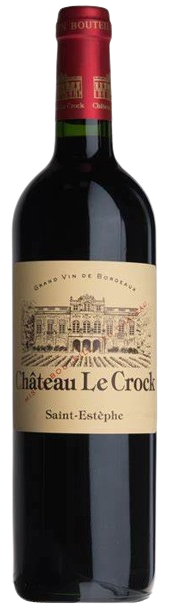
“Le Crock” St.Estephe 2021
 49.10 €
Add to cart
49.10 €
Add to cart -
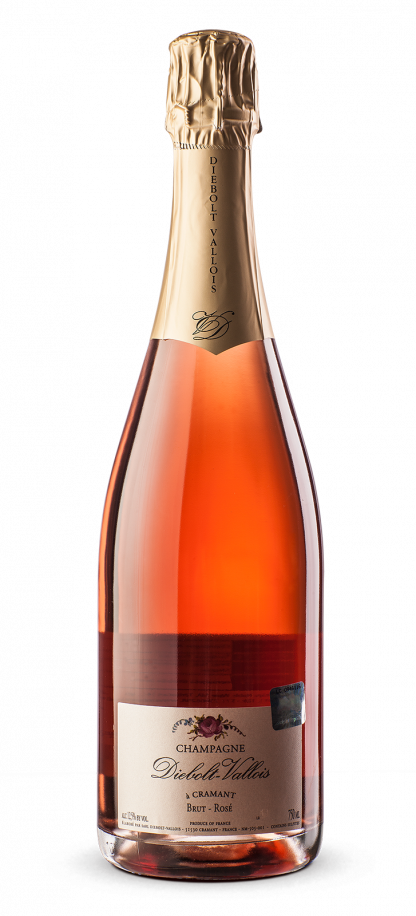
Diebolt-Vallois Brut Rose NV
Original price was: 57.19 €.57.19 €Current price is: 57.19 €.
Add to cart -
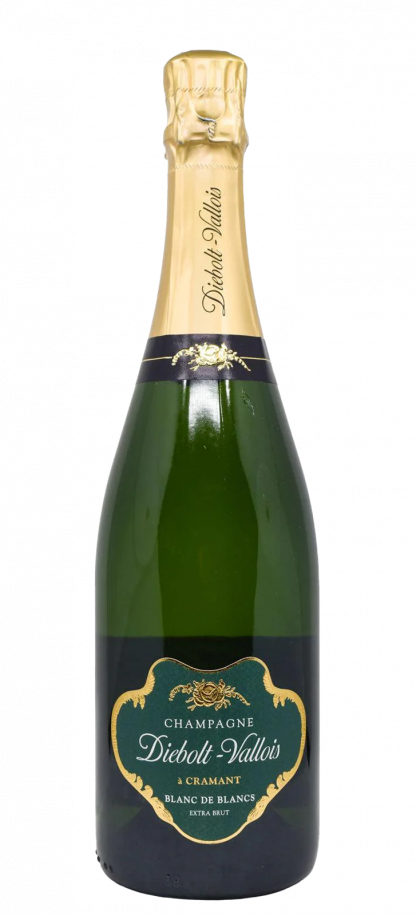
Diebolt-Vallois Brut Blanc de Blancs NV
Original price was: 53.45 €.53.45 €Current price is: 53.45 €.
Add to cart -
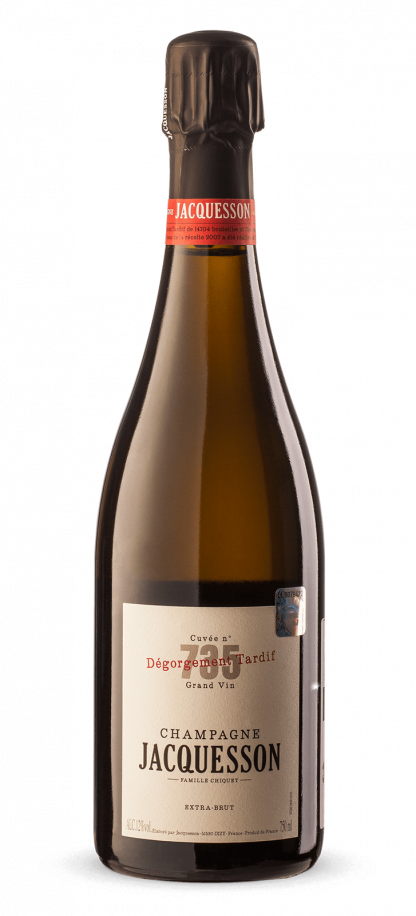
Jacquesson Extra-Brut “Cuvee 740 D.T.”
Original price was: 125.72 €.125.72 €Current price is: 125.72 €.
Add to cart -
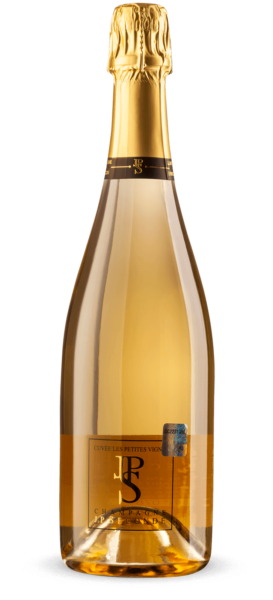
J.P. Seconde Blanc de Noirs “Les Petit Vignes”
Original price was: 56.00 €.56.00 €Current price is: 56.00 €.
Add to cart -
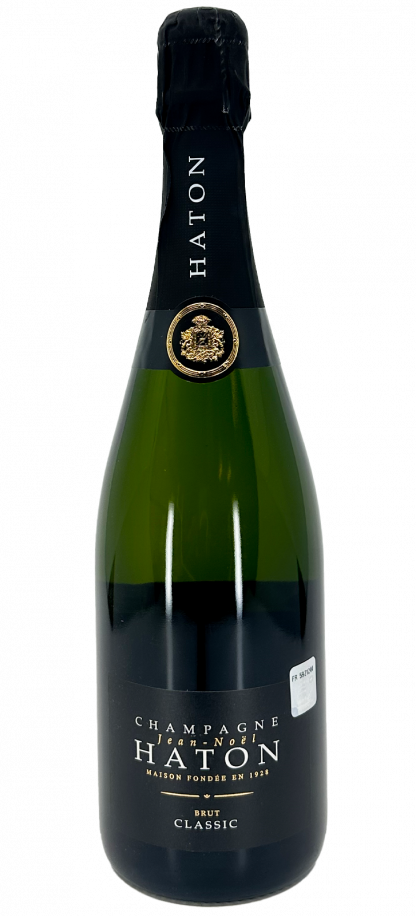
Jean-Noel Haton Brut Classic
43.00 €
Add to cart -
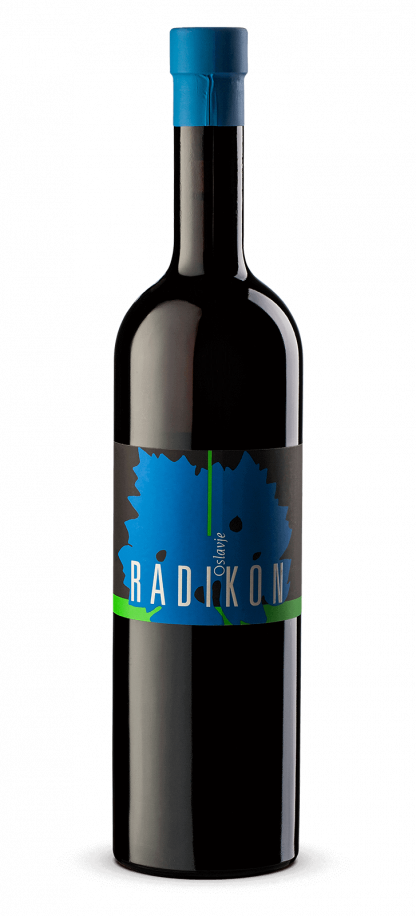
Radikon “Oslavje” 0,5L
 47.30 €
Add to cart
47.30 €
Add to cart -
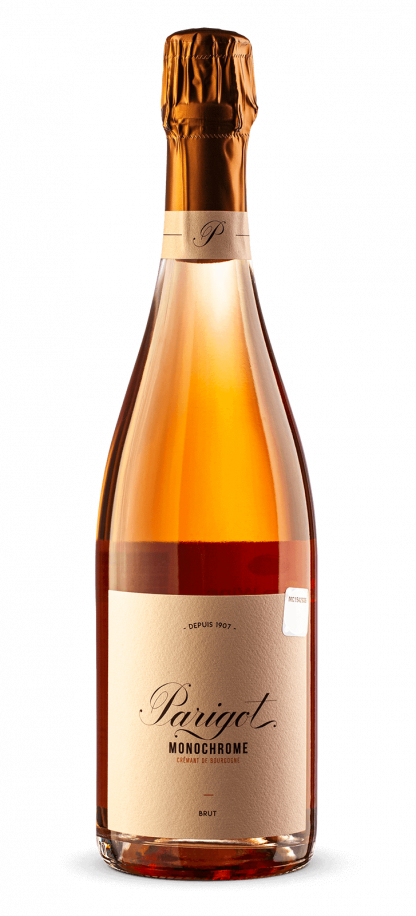
Parigot Monochrome Brut Rose NV
Original price was: 29.90 €.29.90 €Current price is: 29.90 €.
Add to cart -
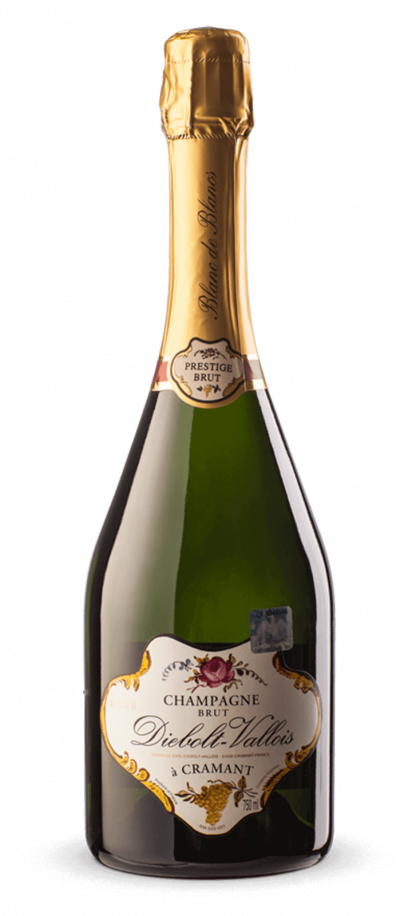
Diebolt-Vallois Blanc de Blancs “Prestige”
Original price was: 63.00 €.63.00 €Current price is: 63.00 €.
Add to cart -
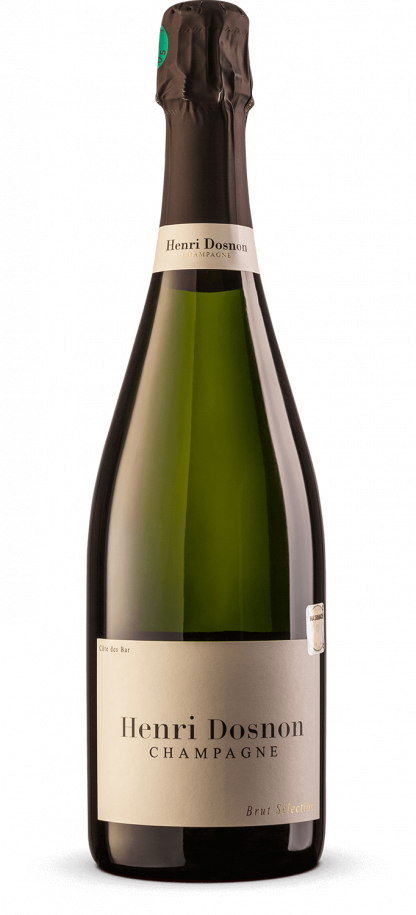
Dosnon Brut “HD” NV
Original price was: 43.00 €.43.00 €Current price is: 43.00 €.
Add to cart -
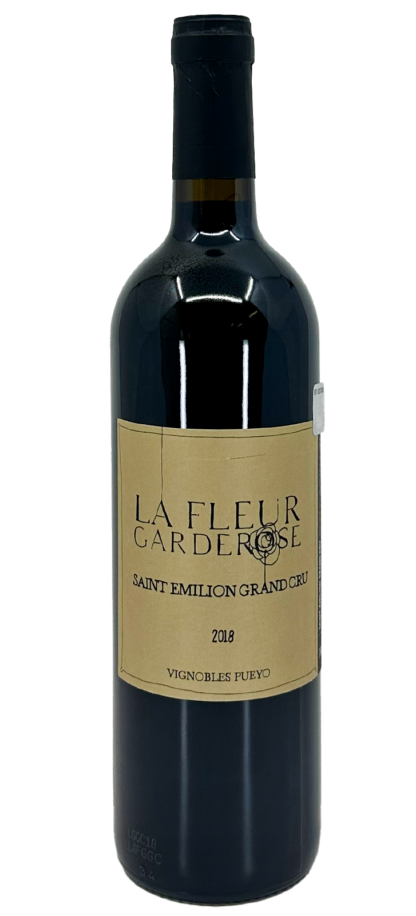
Vignobles Pueyo “Fleur Garderose” St.Emilion Grand Cru 2018
44.60 €
Add to cart -
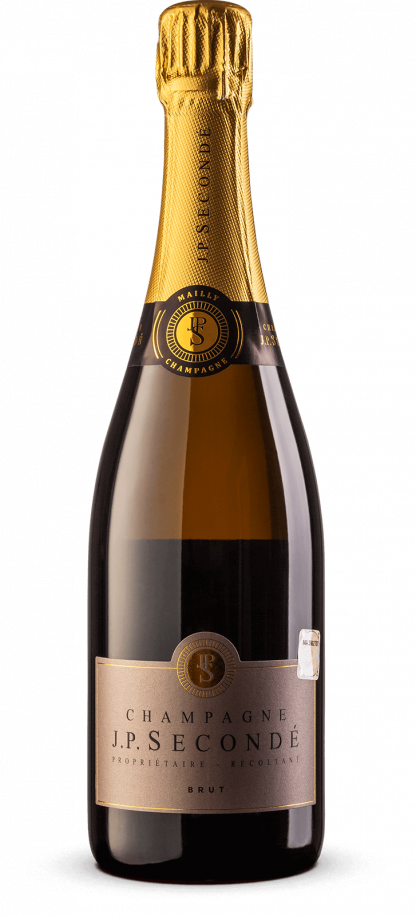
J.P. Seconde Brut “Tradition”
Original price was: 39.68 €.39.68 €Current price is: 39.68 €.
Add to cart -
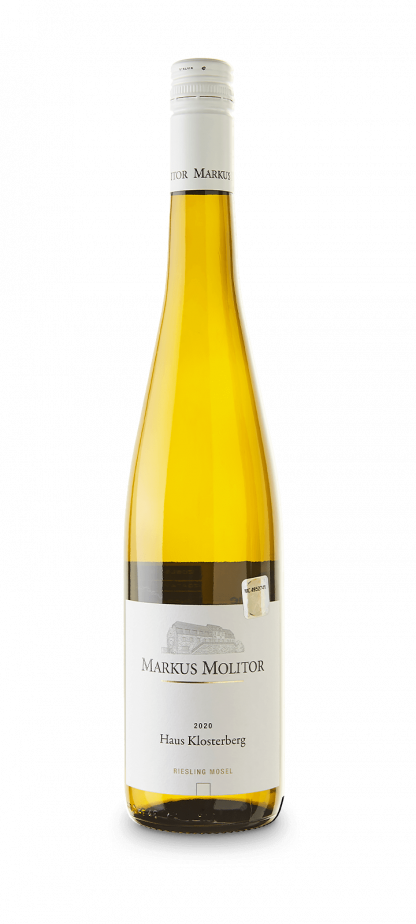
Markus Molitor Riesling “Haus Klosterberg” Trocken 2021
21.23 €
Add to cart -
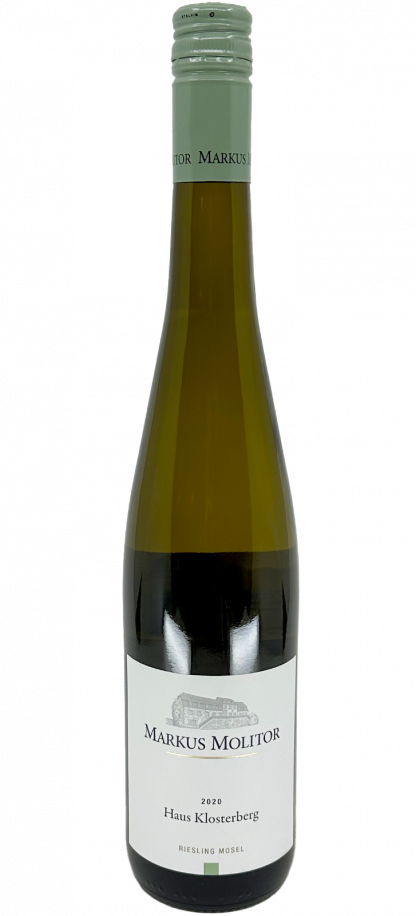
Markus Molitor Riesling “Haus Klosterberg” Feinherb 2022
21.20 €
Add to cart -
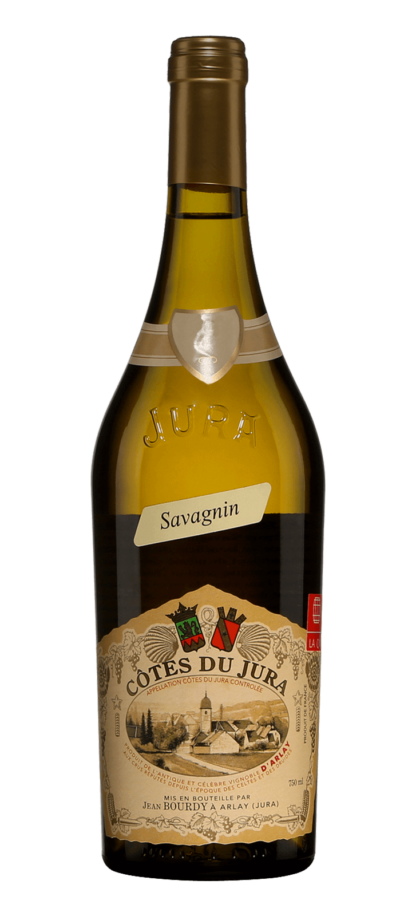
Jean Bourdy Cotes du Jura “Savagnin” 2018
38.90 €
Add to cart
Raventos i Blanc
The wine-making history of the Raventos family began in the distant 1497, which makes this family one of the oldest wine dynasties operating in this industry without interruption. The first bottle of cava was bottled in 1872 by Josep Maria Raventós i Fatjo, initiating a tradition that was held in high esteem by subsequent generations. In 1986, he decided to sell his stake in Codorníu, the largest cava production in the world, which was still owned by the family at the time, and create a new winery, Raventós i Blanc, keeping only the best vineyards. Today the winery owns 46 plots of land, each with its own unique characteristics. Since then, the emphasis has been on quality and regionality, highlighting the characteristics of the terroirs of the São Sadurní d'Anoia region. The sparkling wine is made exclusively from Xarel-lo, Parellada, Macabeu and Monastrell (Mourvèdre) grapes, and is characterized by a complex multi-layered taste, expressiveness and durability. The current owner, Pepe Raventoss, places great value on a healthy vineyard environment through biological synergies in which animals, vines, soil and people act as one agricultural unit. In 2012, the winery received a biological farming certificate. Since 2013, Raventós i Blanc is no longer part of the Cava DO geographic origin region; the winery moved on to create a new appellation, designated by the principle of terroirs - Conca del Riu Anoia will run from the Mediterranean Sea to the Catalan mountains, between the rivers Anoia and Foz.
Macabeu
Macabeo white wines can be crispy, fresh, green fruit-driven and floral when harvested quite early and aged in stainless steel, but rich, honeyed and and full of overripe fruit aromas when aged in oak and harvested a bit later.
Conca del Riu Anoia
Leading Penedes winemaker Raventos I Blanc – which has quit the Cava DO – has unveiled the framework for a new sparkling wine appellation. Conca Del Riu Anoia is intended to form a very small geographical area surrounding the Anoia River valley between the Anoia and Foix Rivers in eastern Penedes. A key aspect of the appellation is a severe tightening of the current rules of production and reflection of the terroir.
Catalunya
In Catalonia, DO status was first created in 1999, and it became the first regional production area in Spain, which united all vineyards not included in any of the 11 existing DOs at that time. The capital of Catalonia is Barcelona, the second largest city in Spain with one of the largest ports in the Mediterranean. Its seaside location has certainly contributed to the development of local winemaking. Catalonia has a wide variety of winemaking traditions. It is believed that the skills of viticulture were first introduced by the Phoenicians and Greeks around 400 BC. e. The Romans then expanded viticulture and the industry flourished until the Moorish occupation. Then the vineyards were abandoned or given for other purposes. Later Christians revived viticulture in the territories adjacent to the monasteries. Until the end of the 18th century, wine and spirits were among the most important exports in the region. Since then, Catalonia has established itself as a dynamically developing wine region.