


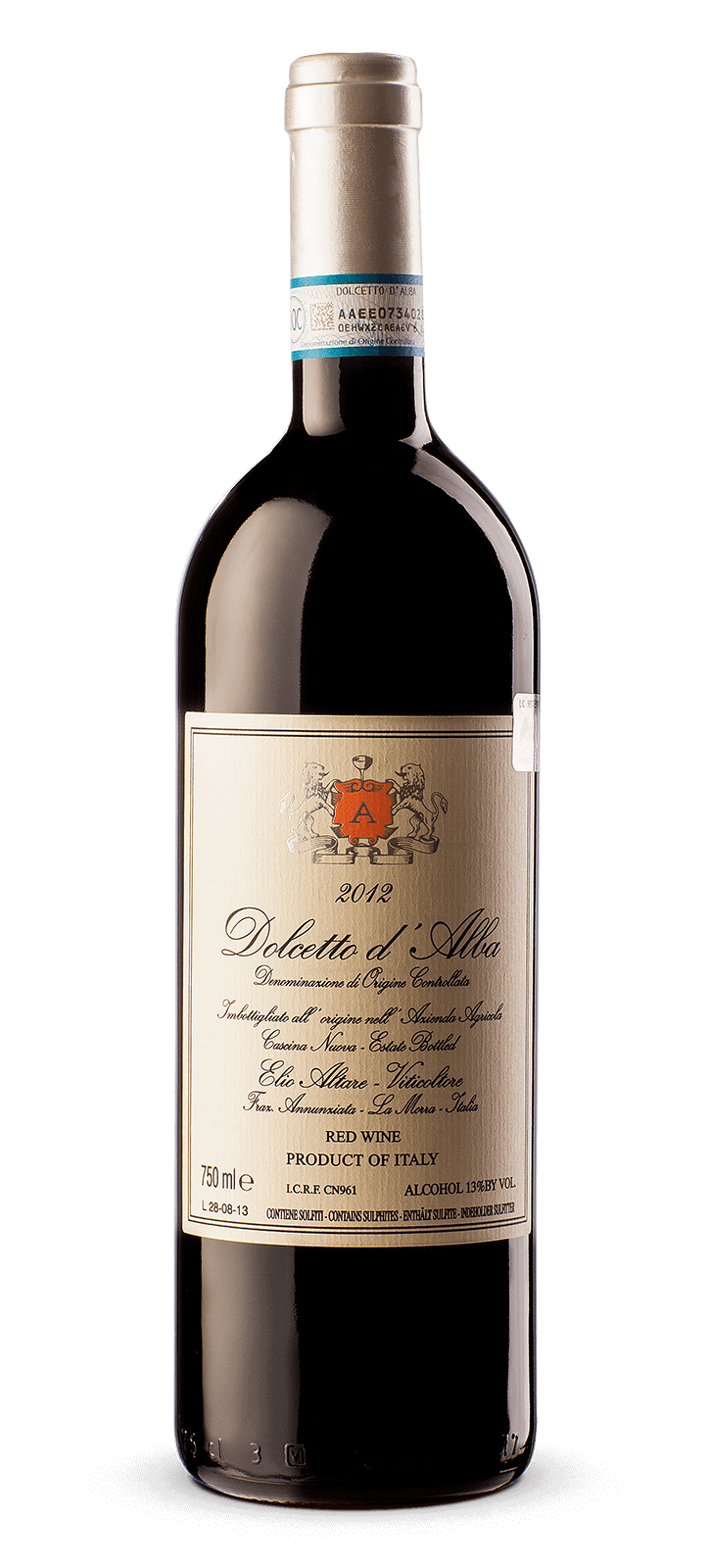
Elio Altare Dolcetto d`Alba DOC 2024

Dolcetto | Piedmont | Italy | Red Wine | Elio Altare | 2024 | 0,75 L | 13 %
About
Elio Altare Dolcetto d’Alba DOC 2024 is a dry red wine crafted from Dolcetto grapes in the prestigious Piedmont region of northern Italy. Produced by the renowned Elio Altare estate, this wine reflects the purity of its terroir, showcasing a fruit-driven style made with minimal intervention. Its vibrant ruby hue and expressive character embody the estate’s commitment to elegant, approachable winemaking.
Producer
Grandfather Giuseppe (Giuseppe Altare) arrived in Lamorra in 1948. Altares comes from the small town of Doljani; the farm in Lamorra was acquired only in the last century. At the time, it owned five hectares of vineyards with Nebbiolo, Barbera and Dolcetto vines, as well as an orchard with peach trees, hazelnuts and apple trees. Those were the times when orchards were more profitable than vineyards. It was not an easy time - the post-war economic crisis continued for many years. Elio Altare and some friends decided to go beyond the borders of Piedmont to learn more about the art of winemaking and to draw from the experience of the most successful wine regions. The first trip to Burgundy in January 1976 was a real revelation, and when he returned home, Elio clearly understood that a serious change was needed. He wasn't afraid of that: Elio handled the chainsaw like a knight's sword. First he cut down the fruit trees, then chopped the large wooden barrels of the wine cellar into firewood. So he made room for his first new, much smaller French-style wooden barrel - barrique. Elio's father Giovanni did not understand him. The son's radical methods were too different from his way of thinking. Giovanni, who came from an older generation that had seen poorer times, was unable to make these decisions; he felt it was a crime against common sense and the Italian winemaking tradition. The disagreement was so great that Giovanni and Elio stopped talking. Giovanni died in 1985, tragically leaving Elio out of his will. But Elio continued to work and in time was able to buy back the family winery and vineyards from his brothers and sisters. Elio remained steadfast then, and he remains so to this morning. He stubbornly decided to change the direction of the winery's development and give the family wine a new character, favoring elegance, sophistication and a balanced taste. Elio achieved this by following a strict regime in his vineyards and introducing new vinification and aging techniques in the wine cellar. The farm is still family owned and operated. Under Elio's management, 10 hectares of vineyards are cultivated, producing an average of 70,000 bottles of wine per year. Since 2003, Elio's eldest daughter Silvia has been working alongside her father, while the youngest, Elena, has moved to Germany, where she runs a wine import company.
Tasting notes
The aroma opens with notes of black cherry, wild berries, violets, and a touch of sweet spice. On the palate, the wine is juicy and fresh, offering flavors of plum, raspberry, and subtle almond. Smooth tannins and a lively, balanced finish highlight its youthful charm and drinkability.
Pairing
This wine pairs beautifully with classic Italian dishes such as pizza, fresh pasta, and grilled vegetables. Its bright fruit and gentle tannins also complement cured meats and simple weeknight meals.
17 in stock
Related products
-
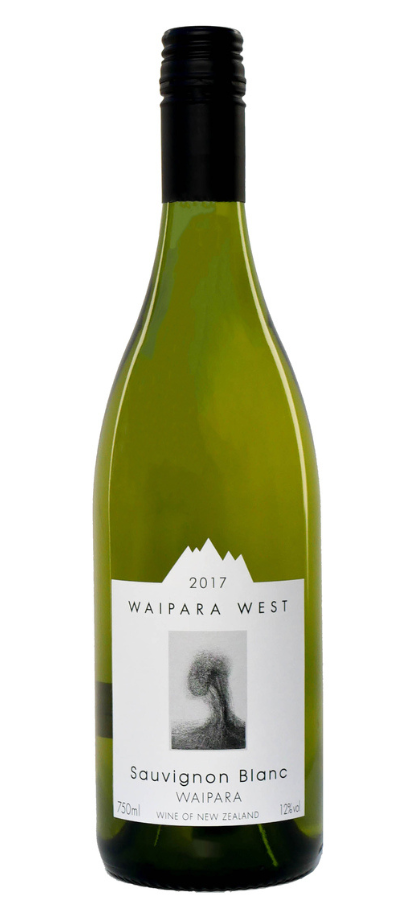
Waipara West Sauvignon Blanc 2023
 Original price was: 23.70 €.21.33 €Current price is: 21.33 €.
Add to cart
Original price was: 23.70 €.21.33 €Current price is: 21.33 €.
Add to cart -
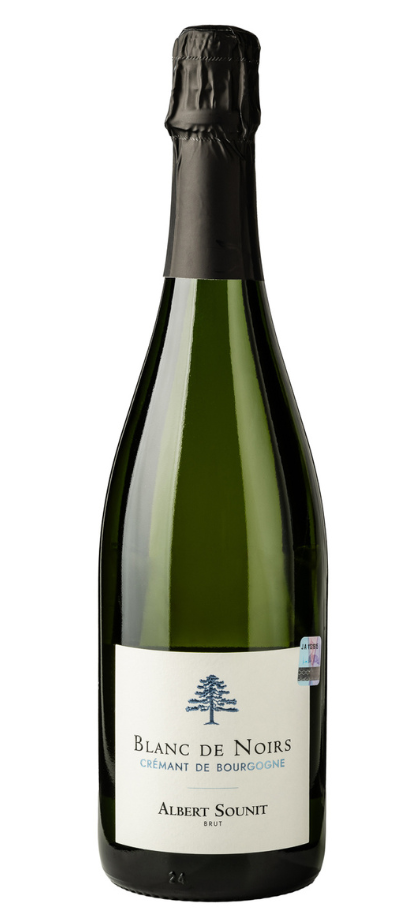
Albert Sounit Cremant Blanc de Noirs
 Original price was: 30.00 €.25.50 €Current price is: 25.50 €.
Add to cart
Original price was: 30.00 €.25.50 €Current price is: 25.50 €.
Add to cart -
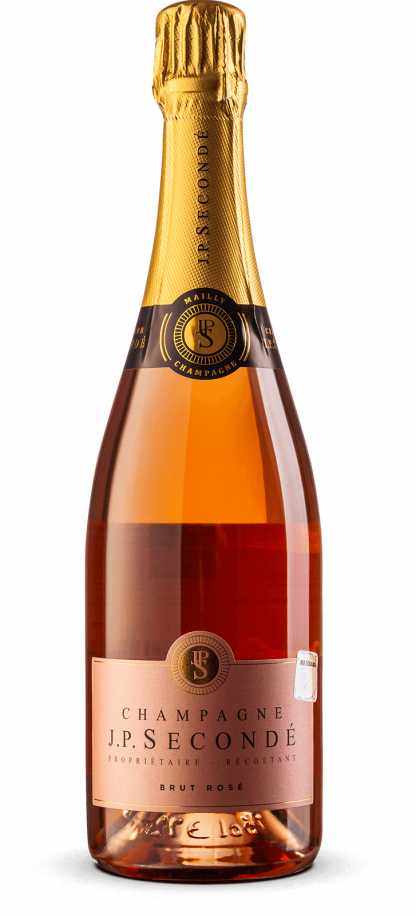
J.P. Seconde “Tradition” Brut Rose
Original price was: 45.00 €.45.00 €Current price is: 45.00 €.
Add to cart -
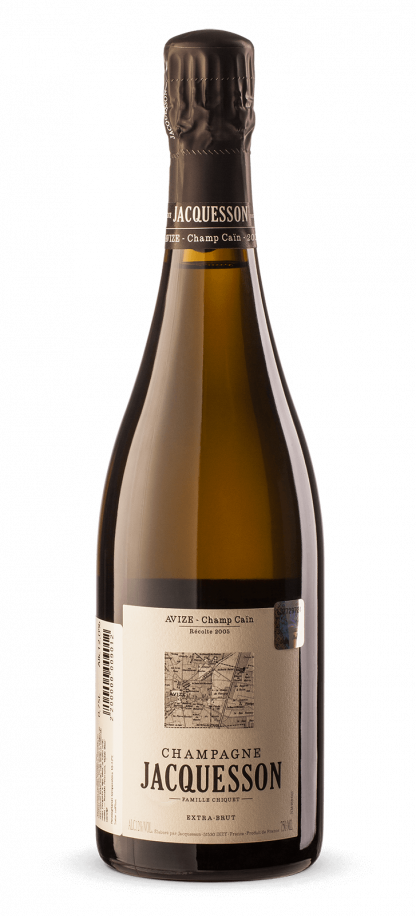
Jacquesson Blanc de Blancs “Avize Champ Cain” 2013
226.00 €
Add to cart -
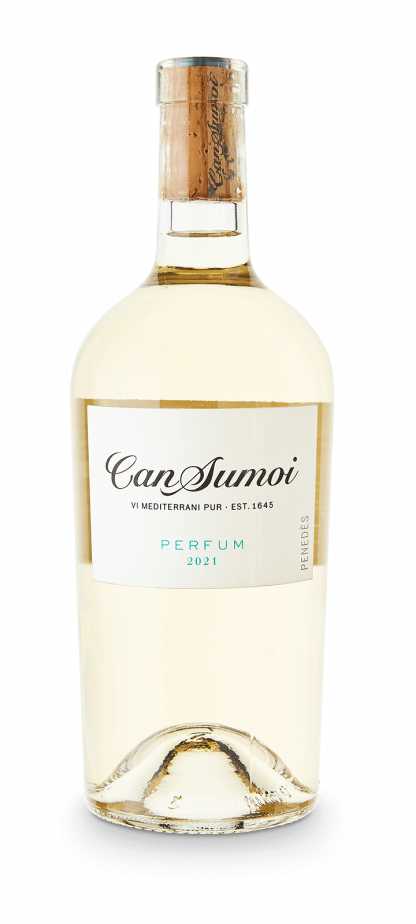
Can Sumoi Penedes “Perfum” 2021
20.30 €
Add to cart -
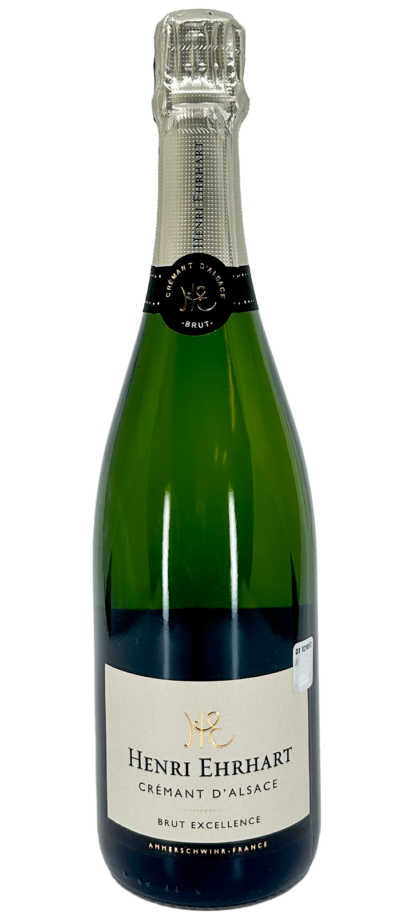
Henri Ehrhart Cremant d`Alsace “Brut” NV
Original price was: 18.00 €.18.00 €Current price is: 18.00 €.
Add to cart -
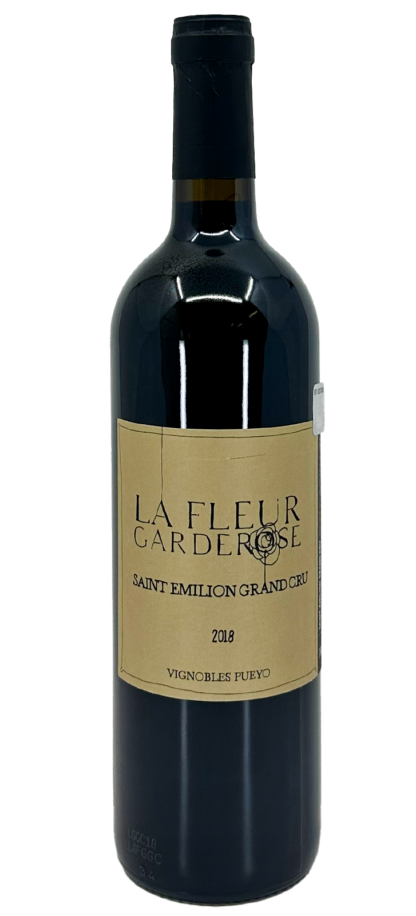
Vignobles Pueyo “Fleur Garderose” St.Emilion Grand Cru 2018
44.60 €
Add to cart -
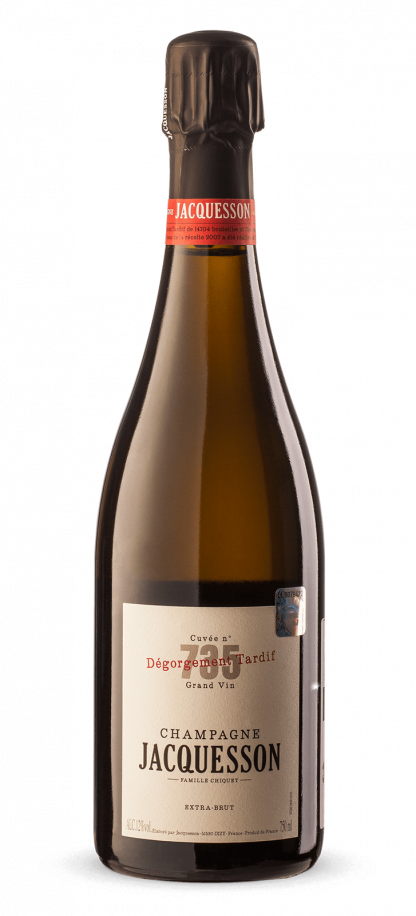
Jacquesson Extra-Brut “Cuvee 740 D.T.”
Original price was: 125.72 €.125.72 €Current price is: 125.72 €.
Add to cart -
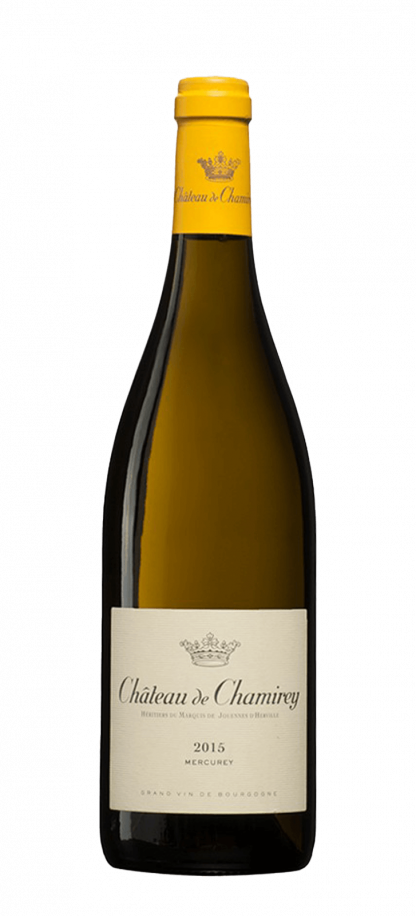
Chateau de Chamirey Mercurey 2021 Blanc
40.40 €
Add to cart -
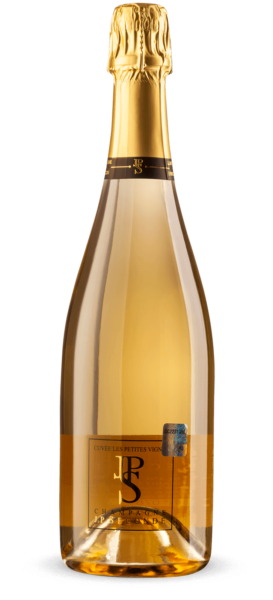
J.P. Seconde Blanc de Noirs “Les Petit Vignes”
Original price was: 56.00 €.47.60 €Current price is: 47.60 €.
Add to cart -
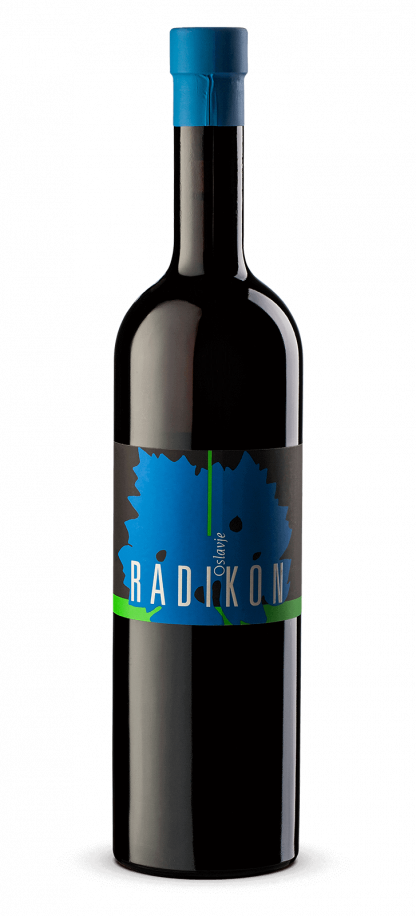
Radikon “Oslavje” 0,5L
47.30 €
Add to cart -
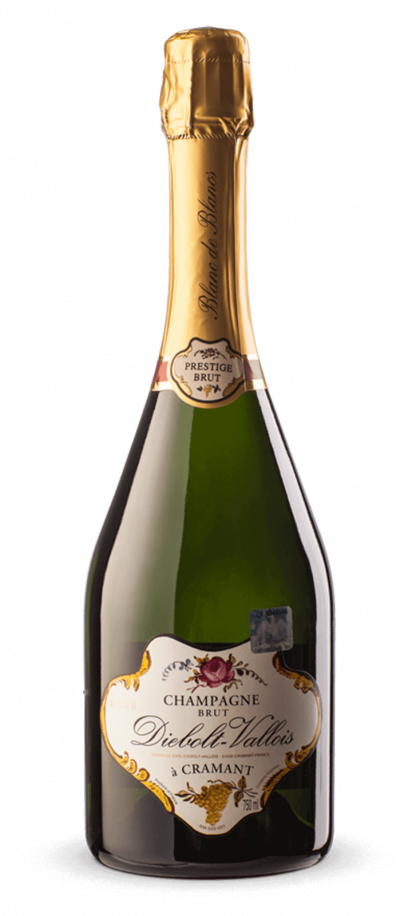
Diebolt-Vallois Blanc de Blancs “Prestige”
Original price was: 63.00 €.63.00 €Current price is: 63.00 €.
Add to cart -
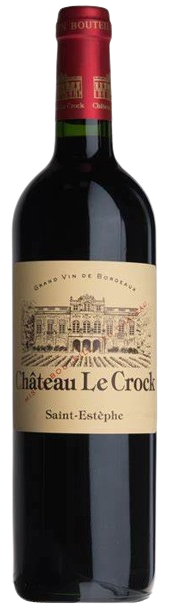
“Le Crock” St.Estephe 2021
49.10 €
Add to cart -
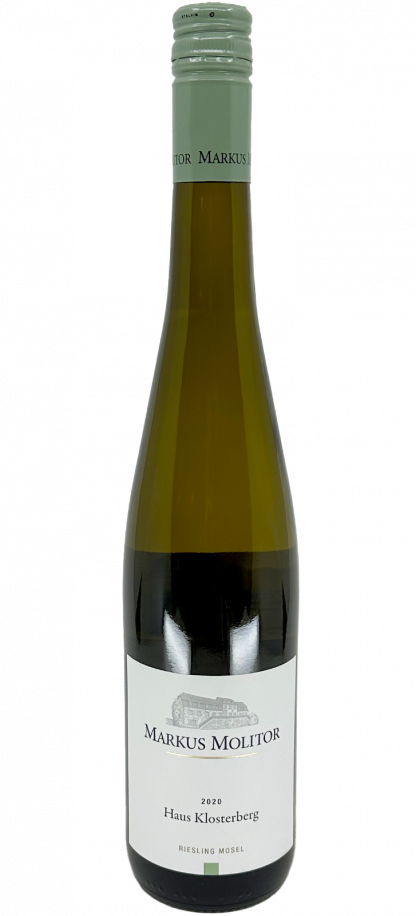
Markus Molitor Riesling “Haus Klosterberg” Feinherb 2022
20.20 €
Add to cart -
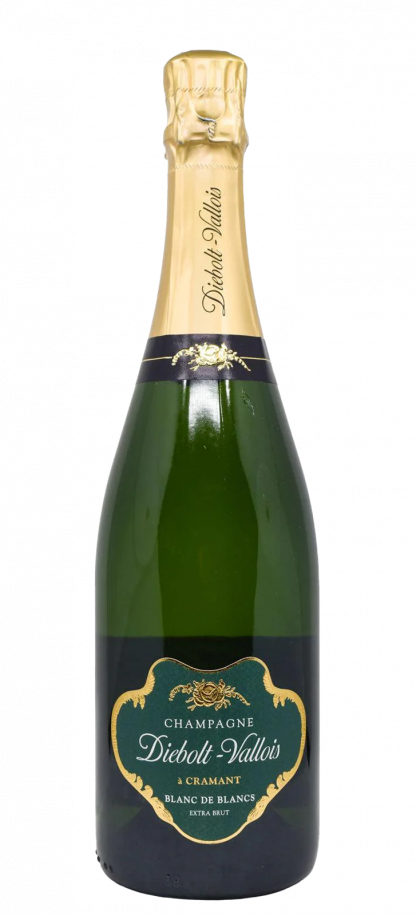
Diebolt-Vallois Brut Blanc de Blancs NV
Original price was: 53.45 €.53.45 €Current price is: 53.45 €.
Add to cart -
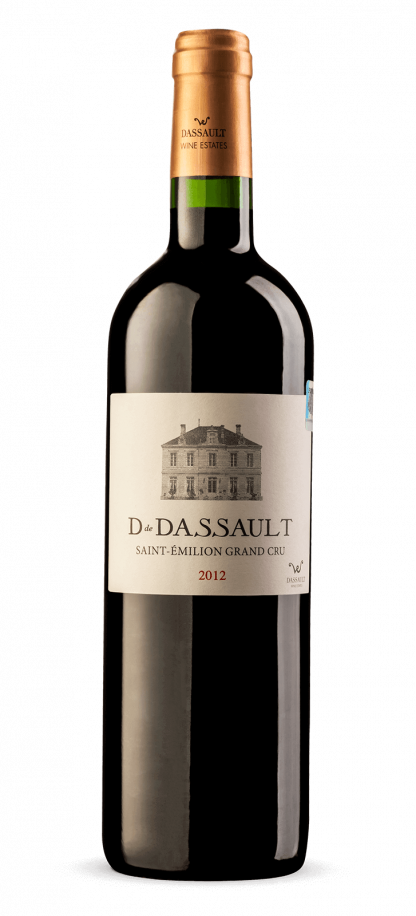
Chateau Dassault “D de Dassault” St. Emilion 2016
41.90 €
Add to cart
Elio Altare
Grandfather Giuseppe (Giuseppe Altare) arrived in Lamorra in 1948. Altares comes from the small town of Doljani; the farm in Lamorra was acquired only in the last century. At the time, it owned five hectares of vineyards with Nebbiolo, Barbera and Dolcetto vines, as well as an orchard with peach trees, hazelnuts and apple trees. Those were the times when orchards were more profitable than vineyards. It was not an easy time - the post-war economic crisis continued for many years. Elio Altare and some friends decided to go beyond the borders of Piedmont to learn more about the art of winemaking and to draw from the experience of the most successful wine regions. The first trip to Burgundy in January 1976 was a real revelation, and when he returned home, Elio clearly understood that a serious change was needed. He wasn't afraid of that: Elio handled the chainsaw like a knight's sword. First he cut down the fruit trees, then chopped the large wooden barrels of the wine cellar into firewood. So he made room for his first new, much smaller French-style wooden barrel - barrique. Elio's father Giovanni did not understand him. The son's radical methods were too different from his way of thinking. Giovanni, who came from an older generation that had seen poorer times, was unable to make these decisions; he felt it was a crime against common sense and the Italian winemaking tradition. The disagreement was so great that Giovanni and Elio stopped talking. Giovanni died in 1985, tragically leaving Elio out of his will. But Elio continued to work and in time was able to buy back the family winery and vineyards from his brothers and sisters. Elio remained steadfast then, and he remains so to this morning. He stubbornly decided to change the direction of the winery's development and give the family wine a new character, favoring elegance, sophistication and a balanced taste. Elio achieved this by following a strict regime in his vineyards and introducing new vinification and aging techniques in the wine cellar. The farm is still family owned and operated. Under Elio's management, 10 hectares of vineyards are cultivated, producing an average of 70,000 bottles of wine per year. Since 2003, Elio's eldest daughter Silvia has been working alongside her father, while the youngest, Elena, has moved to Germany, where she runs a wine import company.
Dolcetto
Dolcetto gives soft-styled, fruity wines with colors varying from purple to deep ruby, with intense aromas of licorice, blueberry, cherry, raspberry and floral nuances. Palate is dry, medium-bodied, with low acidity and slight bitterness in the aftertaste. Ready for consumption at a young age.
Dolcetto is a name shared by both the appellation and the grape. Wines made for the Dolcetto variety at its best can even be compared to the noble Nebbiolo. Dolcetto grapes are easy to disposition, mature faster, are less acidic and very fruity. Wines can be drunk young without waiting for a special occasion. Italians are happy to open this bottle of wine at dinner because it goes well with any food and gives the drinkers an easy cheerful mood.