


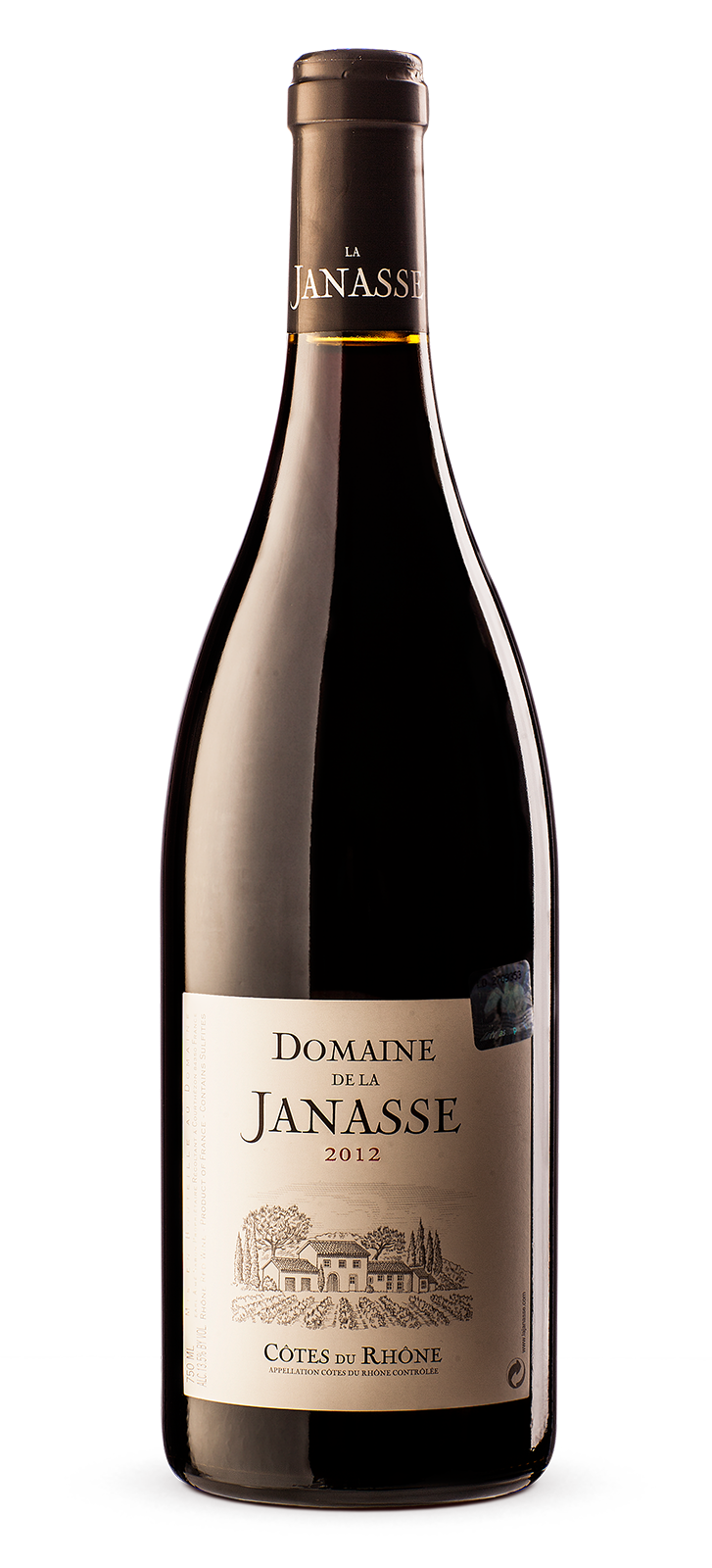
Domaine de la Janasse Cotes-du-Rhone “Tradition” 2023

Carignan & Cinsault & Grenache | Rhone | France | Red Wine | Domaine de la Janasse | 2023 | 0,75 L | 13,5 %
About
Domaine de la Janasse Côtes-du-Rhône "Tradition" 2023 Rouge is a dry red wine, crafted from a blend of roughly Grenache, Syrah, Carignano (Carignan), Mourvèdre, and Cinsault. This cuvée hails from the Rhone Valley’s Côtes-du-Rhône AOC, sourced from a single plot east of the Châteauneuf-du-Pape appellation in Courthézon, southern France.
Producer
Winery "Domaine de la Janasse" was founded in 1973 by Aimé Sabon. Brother and sister, Christophe and Isabella Sabon, continue the winery business, growing grapes on 80 hectares in several appellations: Winery "Châteauneuf du Pâpe" is located in the Courteson region, namely Côtes du Rhône, the village of Côtes du Rhône. For the Grenache grapes, concrete containers are used, and for the Syrah and Mourvedre grapes, oak barrels are used; we can say that everything is quite traditional here. In this case, the quality of the raw materials is impressive, which the Sabon family uses with their skills and vision to make excellent wines.
Tasting notes
This wine displays a deep, dark ruby appearance. The nose opens with fresh black fruits—think crushed strawberries and juicy blackberries—beautifully balanced by a hint of licorice. On the palate, expect a medium-bodied experience with silky, smooth tannins enveloping ripe fruit, framed by fine structure and a polished, elegant finish with lingering spice.
Pairing
Ideal companions include grilled meats, such as lamb or barbecue, and hearty tomato-based dishes—the wine’s fruit and spice amplify the savory char and sauce flavors also stands up beautifully to roasted vegetables or aged hard cheeses, offering a rich and satisfying contrast.
44 in stock
Wine Searcher review
90/100
Related products
-
Waipara West Chardonnay 2019
 38.00 €
Add to cart
38.00 €
Add to cart -
Courtois Brut Blanc de Blancs
 Original price was: 45.50 €.45.50 €Current price is: 45.50 €.
Add to cart
Original price was: 45.50 €.45.50 €Current price is: 45.50 €.
Add to cart -
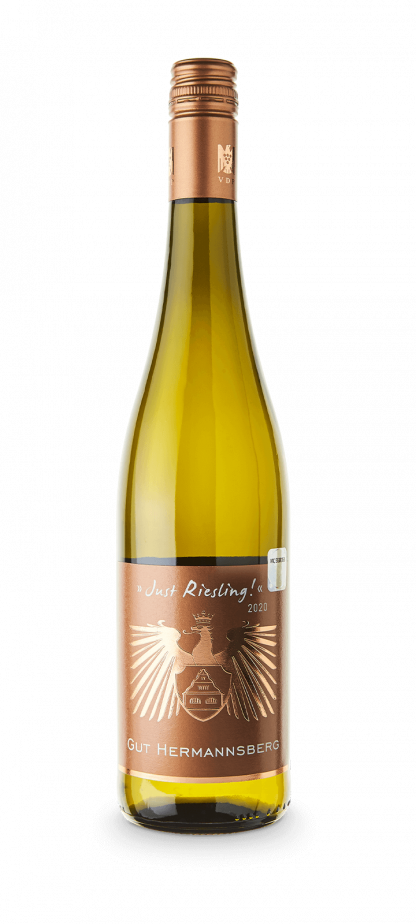
Hermannsberg Riesling Trocken 2021
21.00 €
Add to cart -
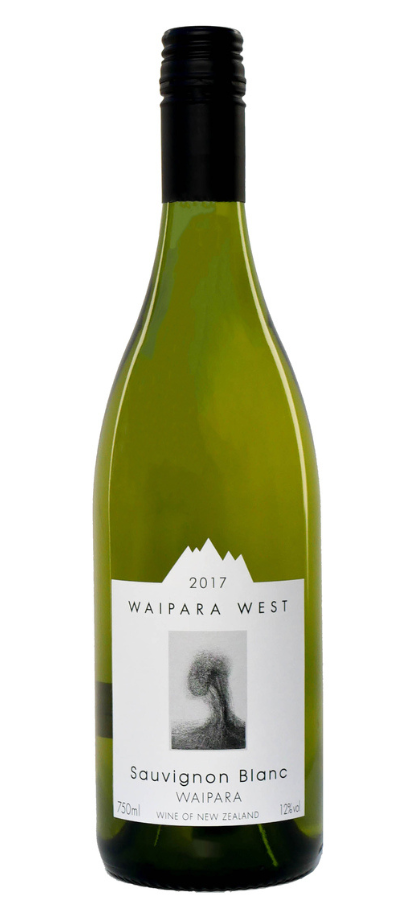
Waipara West Sauvignon Blanc 2023
Original price was: 23.70 €.21.33 €Current price is: 21.33 €.
Add to cart -
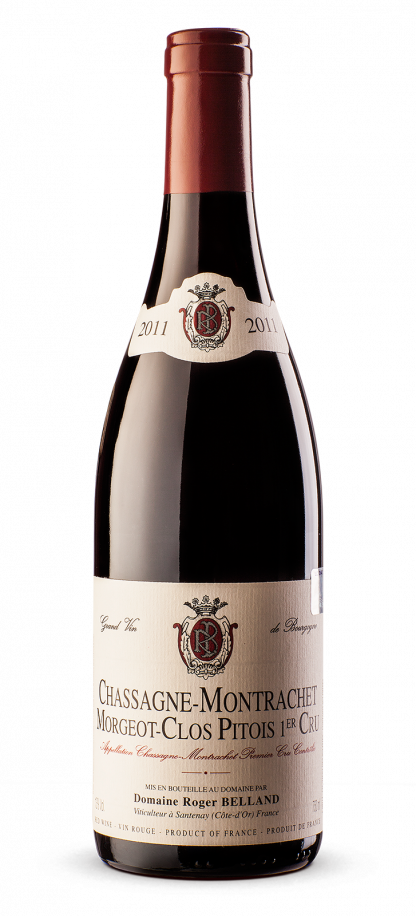
Roger Belland Chassagne-Montrachet “Clos Pitois” 2022
75.20 €
Add to cart -
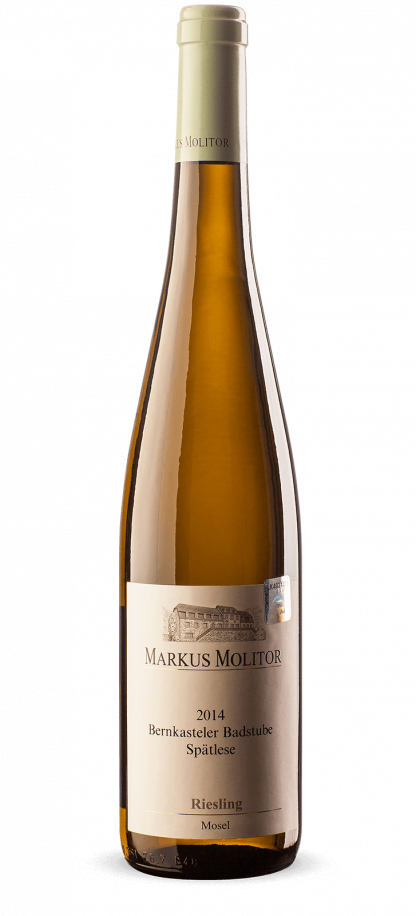
Markus Molitor Riesling “Bernkasteler Lay” Spatlese Trocken 2021
29.70 €
Add to cart -
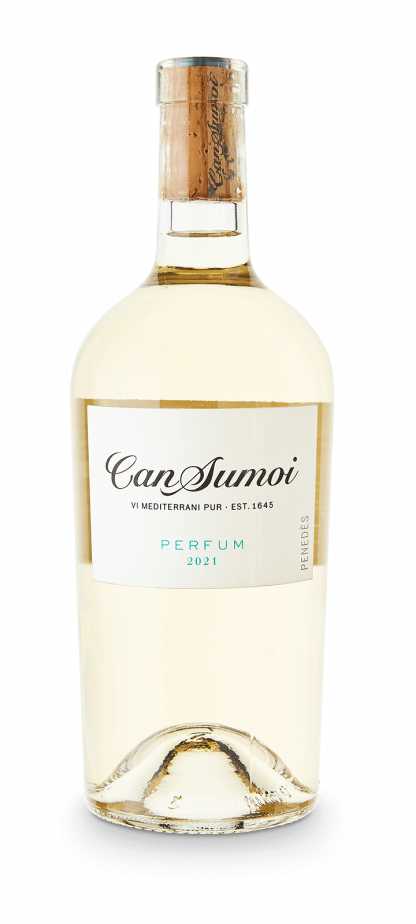
Can Sumoi Penedes “Perfum” 2021
20.30 €
Add to cart -
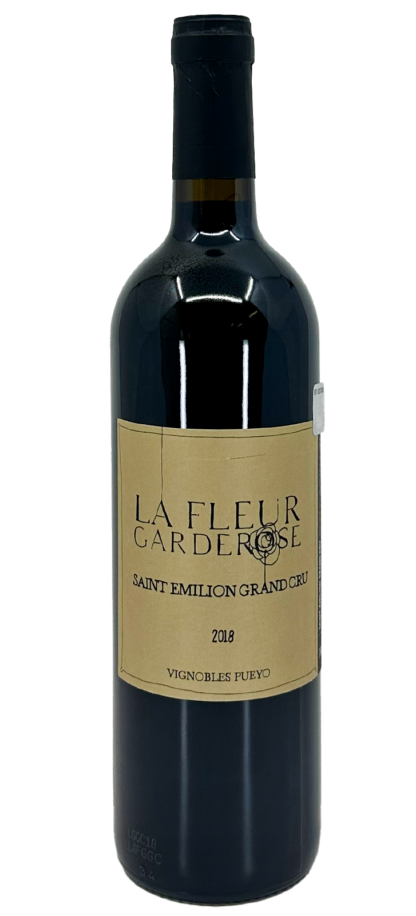
Vignobles Pueyo “Fleur Garderose” St.Emilion Grand Cru 2018
44.60 €
Add to cart -
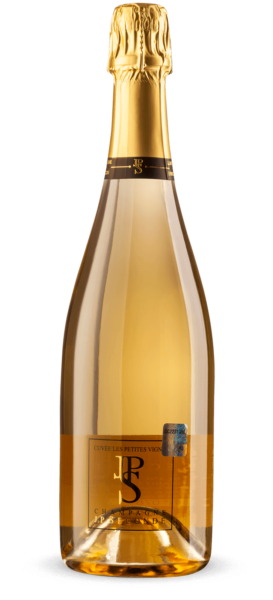
J.P. Seconde Blanc de Noirs “Les Petit Vignes”
Original price was: 56.00 €.47.60 €Current price is: 47.60 €.
Add to cart -
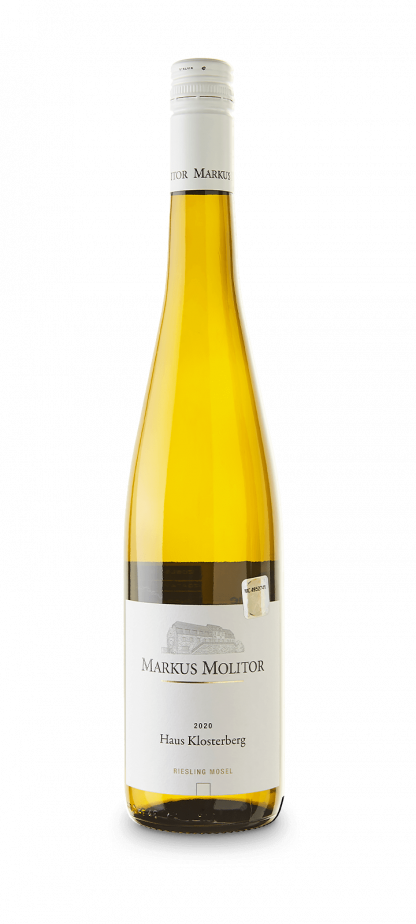
Markus Molitor Riesling “Haus Klosterberg” Trocken 2021
21.50 €
Add to cart -
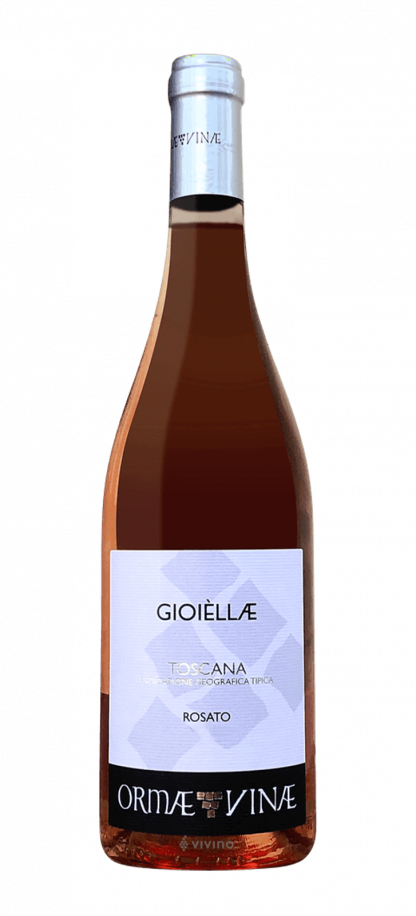
Ormae Vinae “Gioiellae” Toscana IGT 2020
 24.10 €
Add to cart
24.10 €
Add to cart -
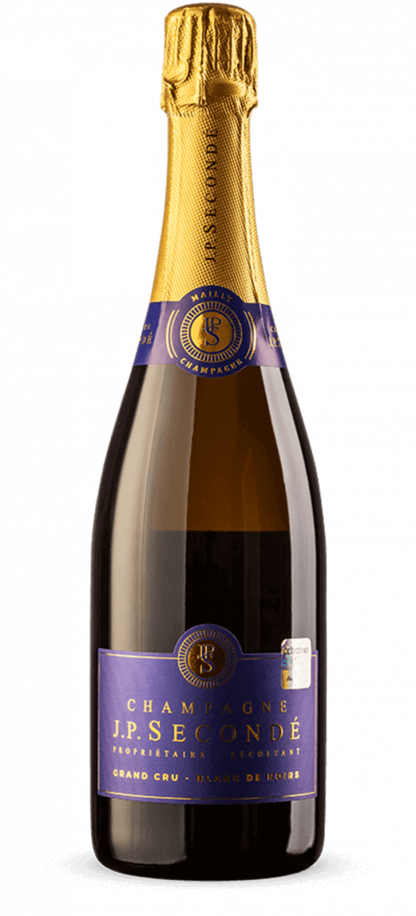
J.P. Seconde Brut Blanc de Noirs
Original price was: 43.00 €.43.00 €Current price is: 43.00 €.
Add to cart -
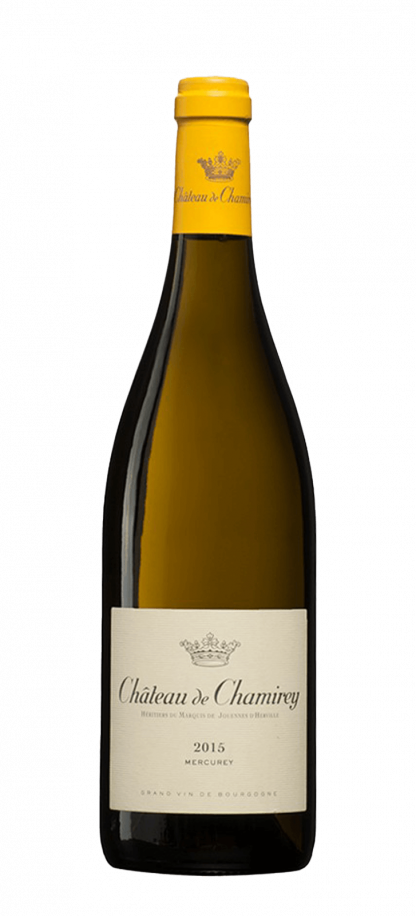
Chateau de Chamirey Mercurey 2021 Blanc
40.40 €
Add to cart -
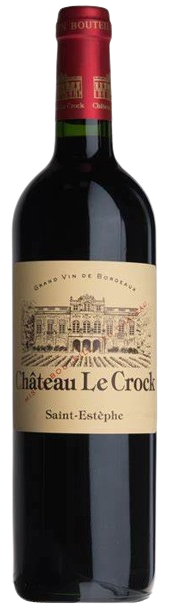
“Le Crock” St.Estephe 2021
49.10 €
Add to cart -
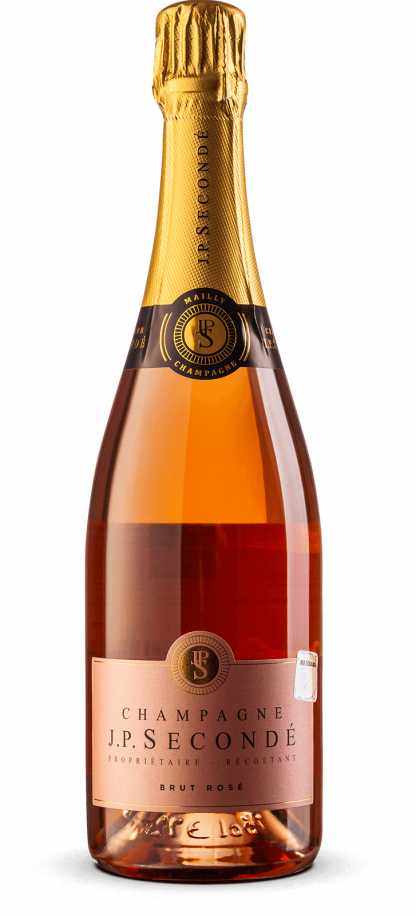
J.P. Seconde “Tradition” Brut Rose
Original price was: 45.00 €.45.00 €Current price is: 45.00 €.
Add to cart -
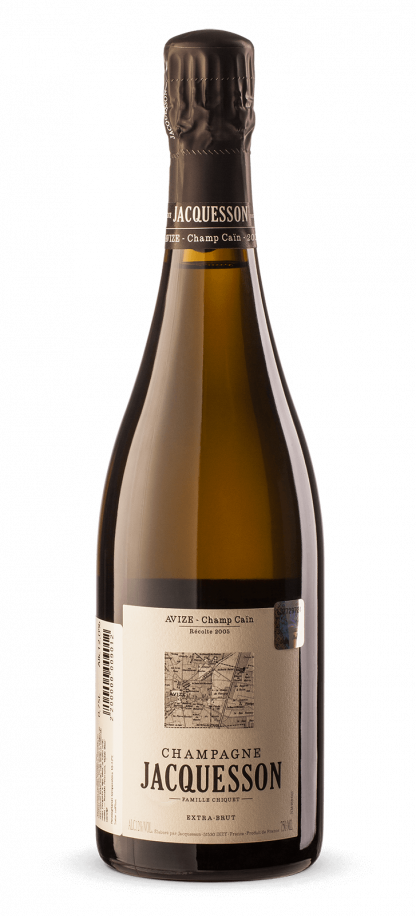
Jacquesson Blanc de Blancs “Avize Champ Cain” 2013
226.00 €
Add to cart
Domaine de la Janasse
Winery "Domaine de la Janasse" was founded in 1973 by Aimé Sabon. Brother and sister, Christophe and Isabella Sabon, continue the winery business, growing grapes on 80 hectares in several appellations: Winery "Châteauneuf du Pâpe" is located in the Courteson region, namely Côtes du Rhône, the village of Côtes du Rhône. For the Grenache grapes, concrete containers are used, and for the Syrah and Mourvedre grapes, oak barrels are used; we can say that everything is quite traditional here. In this case, the quality of the raw materials is impressive, which the Sabon family uses with their skills and vision to make excellent wines.
Carignan
Carignan prefers warm, dry climates when the grape can express intensive tannins, acidity and color. Carignan is only rarely made as a varietal wine, but the best examples can exibit notes of dark berries and black fruits, pepper, licorice and spicy accents.
Côtes du Rhône vineyards are located on the banks of the Rhône River. The soil and the geographical conditions are very heterogeneous in the northern and southern parts of the region therefore the valley is divided in two parts - Northern Rhône and Southern Rhône. Vines in Northern Rhône are mainly grown on so-called "terraces" - steep granite and slate slopes. Winemakers are often not very fond of the harsh mistral wind because of its low temperature. The unusual climate causes the vines to produce small yields, but at the same time provides an intense flavour that has given the wines of Northern Rhône worldwide fame. Syrah is the mainly used grape for red wines - it produces deep wines with hints of pepper that are suitable for long aging. Viognier is the queen of white wines, but Marsanne and Rousanne are also always close by. Some appellations allow white grapes to be added to red wines to smoothen the roughness of Syrah and enrich the wines with floral aromas. The landscapes of Southern Rhône are very different from the northern part - the vineyards are located along the river on low hills and plains and the weather is much friendlier. The grapes ripen in the hot summer sun and obtain a high sugar level resulting in rich and mouth-filling wines. The main grape used is Grenache, but 12 other varieties are allowed in the region - interestingly some wines even combine all of them.