3 89.10 
My shopping cart
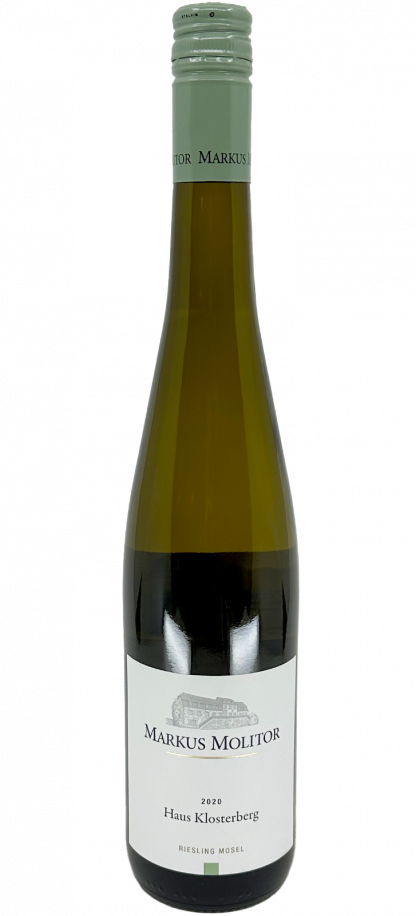
  • Show × Markus Molitor Riesling "Haus Klosterberg" Trocken 2021
    Markus Molitor Riesling "Haus Klosterberg" Trocken 2021SKU: DEMOMOLWIWH2975021
    Qty Price
    1 × 21.50 
  • Show × Can Sumoi Penedes "Perfum" 2021
    Can Sumoi Penedes "Perfum" 2021SKU: SPPECSUWIWH175021
    Qty Price
    1 × 20.30 
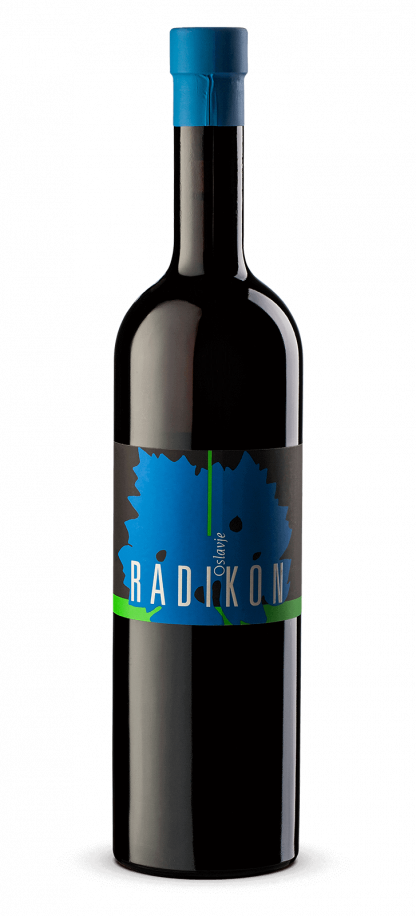
  • Show × Radikon "Oslavje" 0,5L
    Radikon "Oslavje" 0,5LSKU: ITFRRADWIWH250018
    Qty Price
    1 × 47.30 

Subtotal: 89.10 

View basketCheckout

EN
LV
3 89.10 
My shopping cart
  • Show × Markus Molitor Riesling "Haus Klosterberg" Trocken 2021
    Markus Molitor Riesling "Haus Klosterberg" Trocken 2021SKU: DEMOMOLWIWH2975021
    Qty Price
    1 × 21.50 
  • Show × Can Sumoi Penedes "Perfum" 2021
    Can Sumoi Penedes "Perfum" 2021SKU: SPPECSUWIWH175021
    Qty Price
    1 × 20.30 
  • Show × Radikon "Oslavje" 0,5L
    Radikon "Oslavje" 0,5LSKU: ITFRRADWIWH250018
    Qty Price
    1 × 47.30 

Subtotal: 89.10 

View basketCheckout

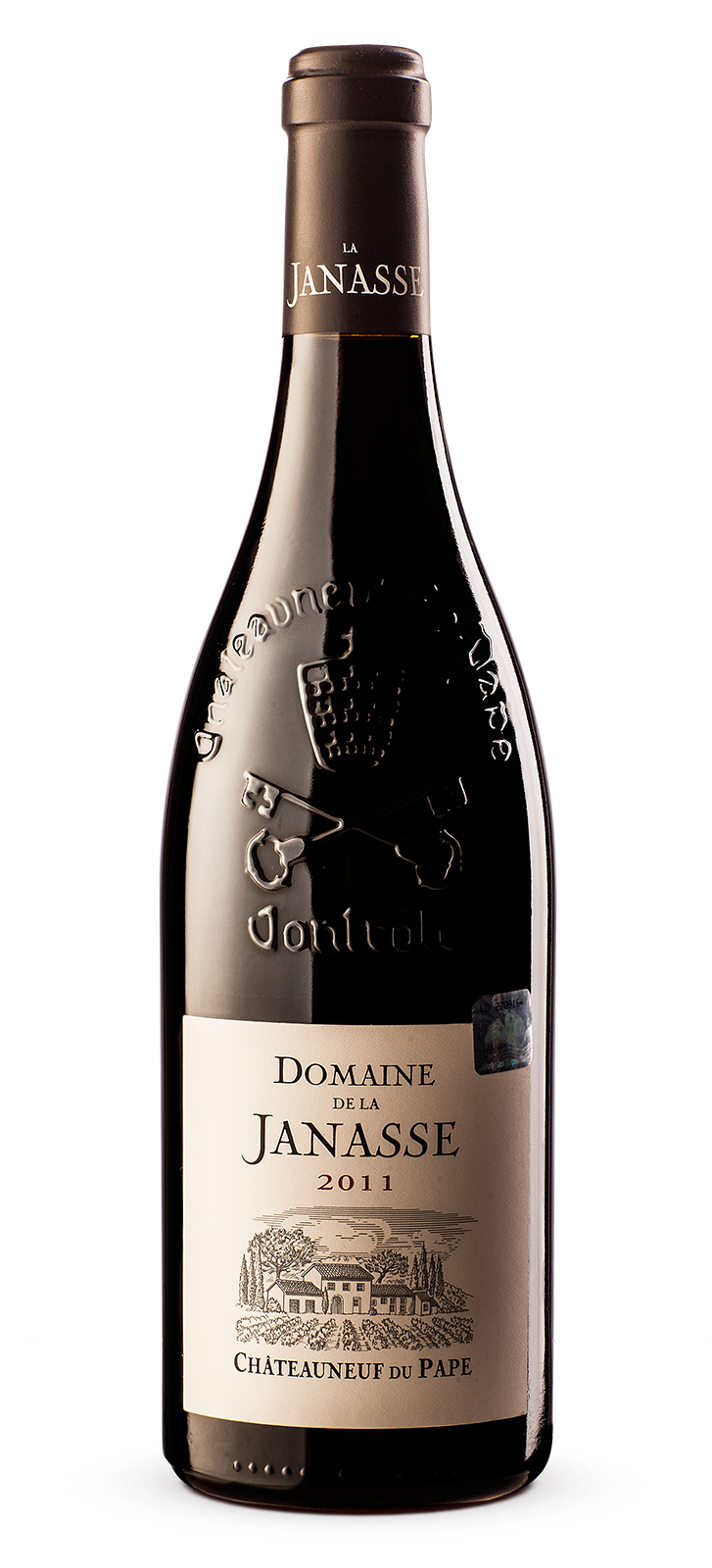
Domaine de la Janasse Chateauneuf-du-Pape “Tradition” 2022

SKU: FRRHDLJWIRE375022 Category:
Grenache & Mourvedre & Syrah | Rhone | France | Red Wine | Domaine de la Janasse | 2022 | 0,75 L | 15,5 %
About
Domaine de la Janasse Châteauneuf-du-Pape "Tradition" 2022  is a dry red wine, crafted as a classic Rhône-style blend of Grenache, Syrah, Mourvèdre, and Cinsault, hailing from the esteemed Châteauneuf-du-Pape appellation in the Southern Rhône. It reflects Domaine de la Janasse’s dedication to sustainable viticulture and precise winemaking, drawing expression from a mosaic of terroirs including sand, pebble-strewn soils (galets roulés), and red-clay subsoils, with aging performed in both foudres and oak barrels (one-third new) for 12 months.
Producer
Winery "Domaine de la Janasse" was founded in 1973 by Aimé Sabon. Brother and sister, Christophe and Isabella Sabon, continue the winery business, growing grapes on 80 hectares in several appellations: Winery "Châteauneuf du Pâpe" is located in the Courteson region, namely Côtes du Rhône, the village of Côtes du Rhône. For the Grenache grapes, concrete containers are used, and for the Syrah and Mourvedre grapes, oak barrels are used; we can say that everything is quite traditional here. In this case, the quality of the raw materials is impressive, which the Sabon family uses with their skills and vision to make excellent wines.
Tasting notes

On the nose, expect rich aromas of ripe blackberries, black cherries, plums, alongside subtle dried herbs, licorice, and cracked black pepper. The palate is medium to full-bodied—dense yet graceful—with layers of dark chocolate, tobacco, and exotic spices, all wrapped in silky tannins, vibrant acidity, and a long, focused finish. Though approachable now, it displays impressive balance and power, promising to evolve beautifully over the next one to two decades.

Pairing

This wine pairs superbly with richly flavored dishes such as grilled red meats or hearty stews, where its structure and fruit intensity nicely complement savory depth. It also stands up well to game dishes or aged cheeses, enhancing their bold flavors while offering a delightfully complex and satisfying dining experience.

9 in stock

64.10 

Wine Searcher review

91/100
Domaine de la Janasse
Winery "Domaine de la Janasse" was founded in 1973 by Aimé Sabon. Brother and sister, Christophe and Isabella Sabon, continue the winery business, growing grapes on 80 hectares in several appellations: Winery "Châteauneuf du Pâpe" is located in the Courteson region, namely Côtes du Rhône, the village of Côtes du Rhône. For the Grenache grapes, concrete containers are used, and for the Syrah and Mourvedre grapes, oak barrels are used; we can say that everything is quite traditional here. In this case, the quality of the raw materials is impressive, which the Sabon family uses with their skills and vision to make excellent wines.
Grenache produces concentrated wines with a bright character, strong structure, high alcohol level and excellent aging potential. Aroma of Grenache is a balance between floral and fruity notes.
Chateauneuf du Pape
Châteauneuf-du-Pape is considered to be the star of Southern Rhône. The appellation is located on a hill in the centre of the southern region. The soil here is covered with big pebbles that heat up during the day and gradually give back the warmth to the vines at night. A total of 15 grape varieties are allowed for wine production - the main grape is Granache followed by Mourvedre and Syrah. The wines are characterized by saturation - they have a rich bouquet of toast, forest and candid berry notes. Young wines are purple red, but they become brick red with time. The most distinguishing sign for Châteauneuf-du-Pape wines is the Pope's emblem embossed in the thick glass bottles.
Côtes du Rhône vineyards are located on the banks of the Rhône River. The soil and the geographical conditions are very heterogeneous in the northern and southern parts of the region therefore the valley is divided in two parts - Northern Rhône and Southern Rhône. Vines in Northern Rhône are mainly grown on so-called "terraces" - steep granite and slate slopes. Winemakers are often not very fond of the harsh mistral wind because of its low temperature. The unusual climate causes the vines to produce small yields, but at the same time provides an intense flavour that has given the wines of Northern Rhône worldwide fame. Syrah is the mainly used grape for red wines - it produces deep wines with hints of pepper that are suitable for long aging. Viognier is the queen of white wines, but Marsanne and Rousanne are also always close by. Some appellations allow white grapes to be added to red wines to smoothen the roughness of Syrah and enrich the wines with floral aromas. The landscapes of Southern Rhône are very different from the northern part - the vineyards are located along the river on low hills and plains and the weather is much friendlier. The grapes ripen in the hot summer sun and obtain a high sugar level resulting in rich and mouth-filling wines. The main grape used is Grenache, but 12 other varieties are allowed in the region - interestingly some wines even combine all of them.