


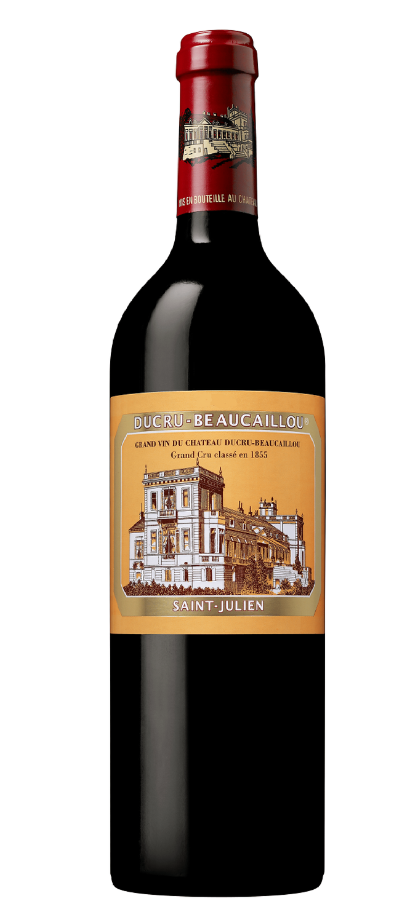
Chateau Ducru-Beaucaillou St.-Julien 2022

Cabernet Sauvignon & Merlot | Bordeaux | France | Red Wine | Château Ducru-Beaucaillou | 2022 | 0,75 L | 14 %
About
Château Ducru-Beaucaillou 2022 is a striking and powerful expression of Saint-Julien's elegance and structure. As a Second Growth (2ème Grand Cru Classé) from the 1855 Classification, this wine consistently stands among the greatest in Bordeaux. The 2022 vintage benefitted from a warm and dry season, yielding a wine of great concentration, poise, and depth—crafted primarily from Cabernet Sauvignon, with Merlot adding roundness and charm.
Tasting notes
Deep, saturated purple in color. The nose bursts with blackcurrant, cassis, dark cherry, and graphite, wrapped in layers of cedar, tobacco, and violet. The palate is full-bodied and structured, with silky but firm tannins, intense dark fruit, and a long, mineral finish. Exceptional balance between power and elegance ensures extraordinary aging potential—decades of evolution ahead.
Pairing
Pairs beautifully with dry-aged beef, rack of lamb, duck confit, or truffle risotto. The wine’s richness and structure allow it to stand alongside deeply flavoured, savoury dishes while enhancing their depth.
3 in stock
Wine Searcher review
97/100 from 17 Critic Reveiws
Related products
-
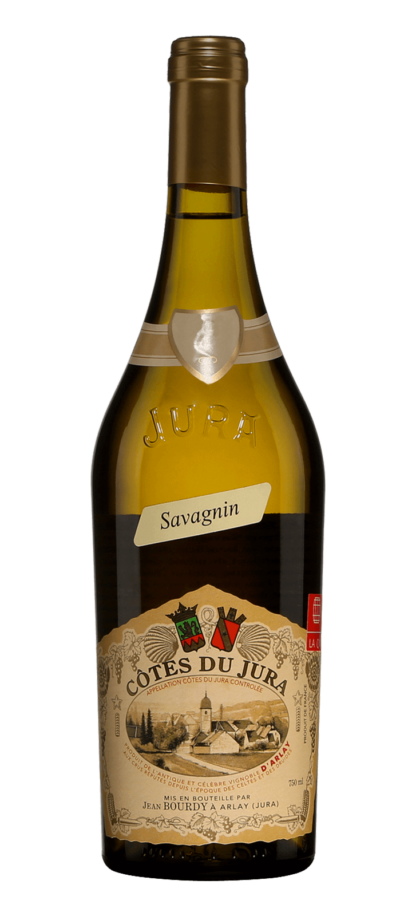
Jean Bourdy Cotes du Jura “Savagnin” 2018
 38.90 €
Add to cart
38.90 €
Add to cart -
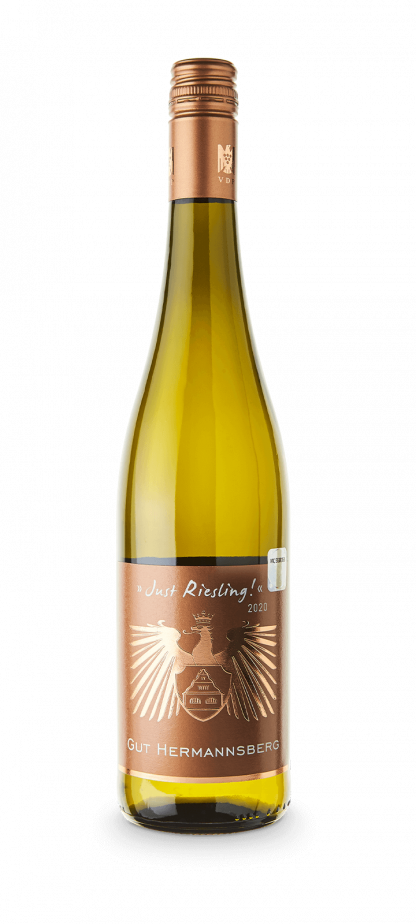
Hermannsberg Riesling Trocken 2021
22.04 €
Add to cart -
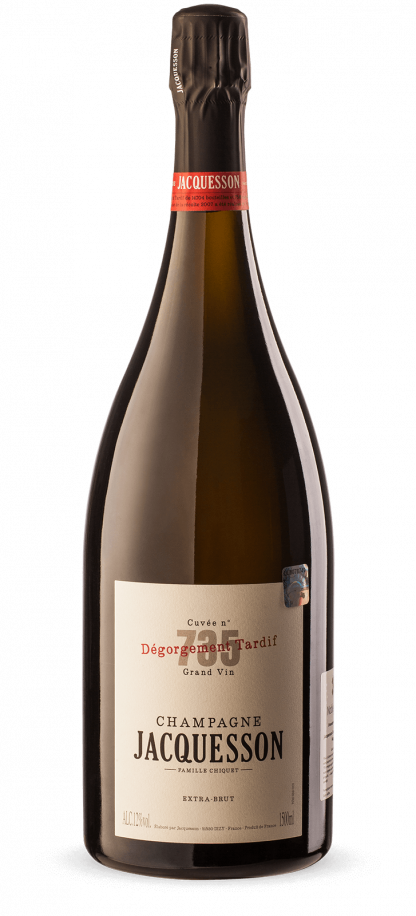
Jacquesson Extra-Brut “Cuvee 741 D.T.”
 137.00 €
Add to cart
137.00 €
Add to cart -
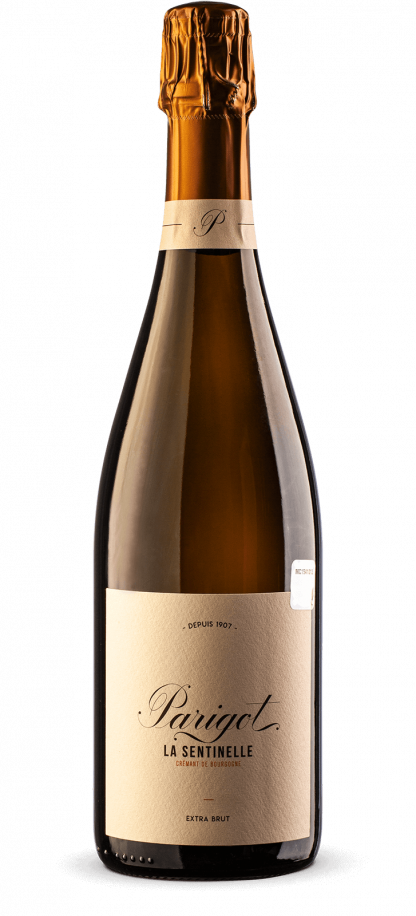
Parigot Blans de Blancs Extra Brut “La Sentinelle”
Original price was: 29.50 €.29.50 €Current price is: 29.50 €.
Add to cart -
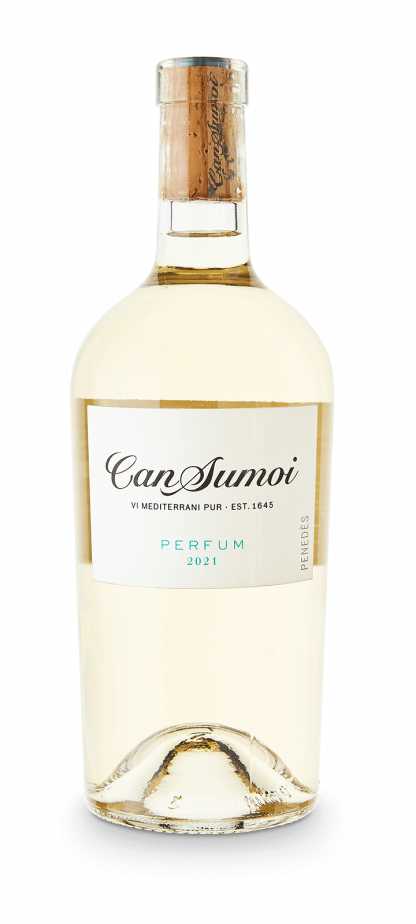
Can Sumoi Penedes “Perfum” 2021
20.30 €
Add to cart -
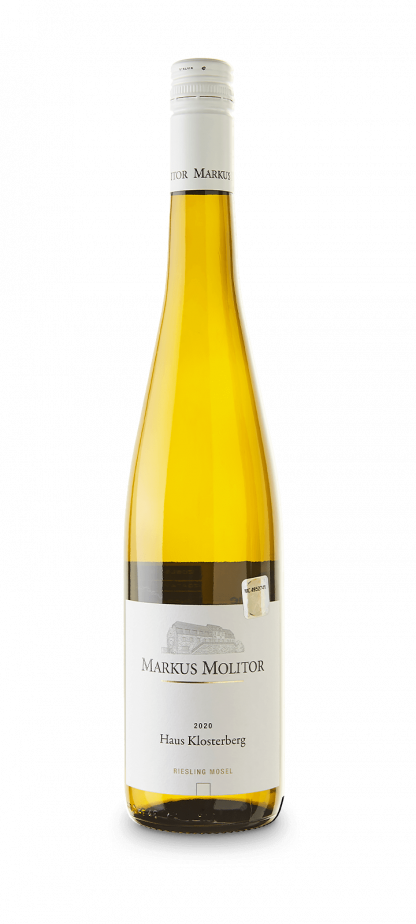
Markus Molitor Riesling “Haus Klosterberg” Trocken 2021
21.23 €
Add to cart -
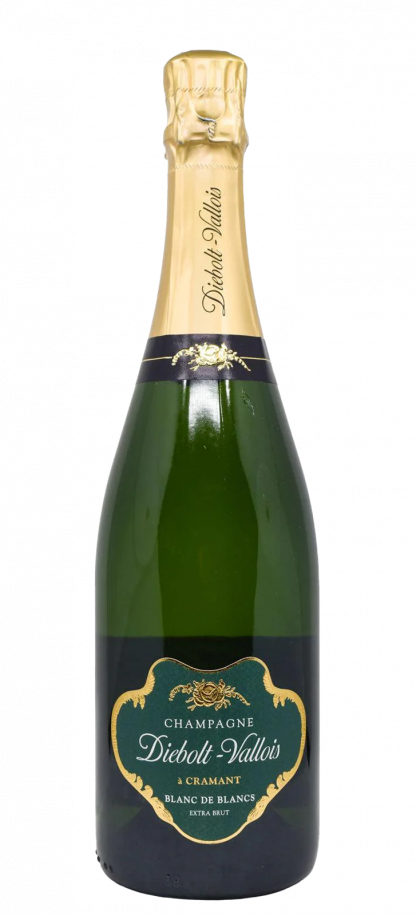
Diebolt-Vallois Brut Blanc de Blancs NV Magnum
121.00 €
Add to cart -
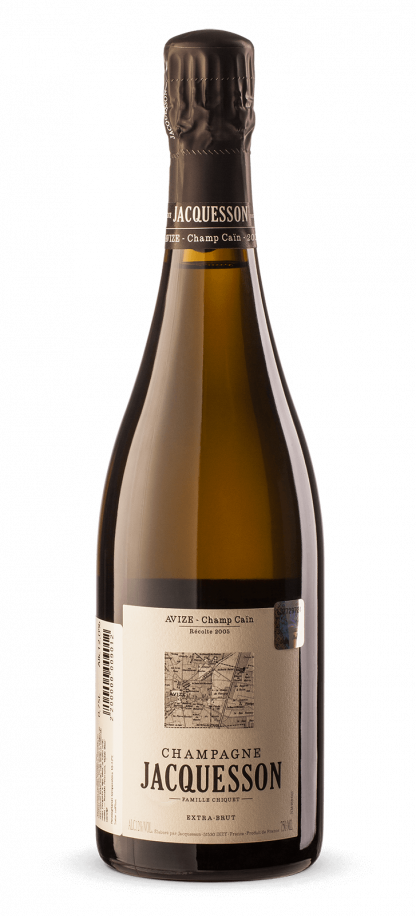
Jacquesson Blanc de Blancs “Avize Champ Cain” 2013
226.00 €
Add to cart -
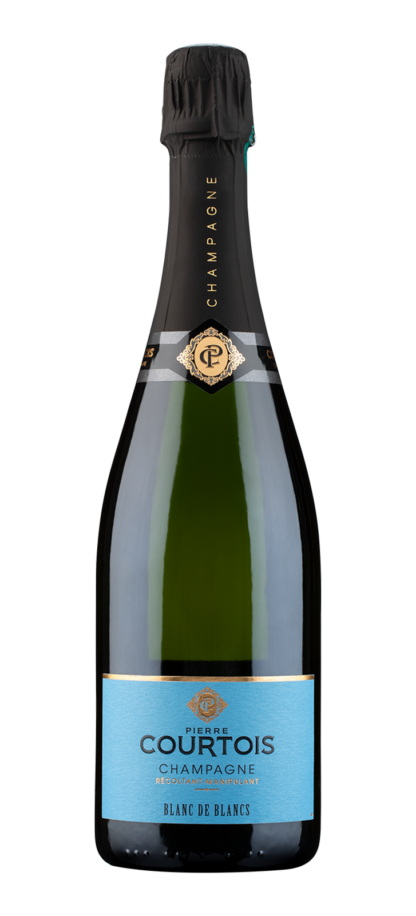
Courtois Brut Blanc de Blancs
45.50 €
Add to cart -
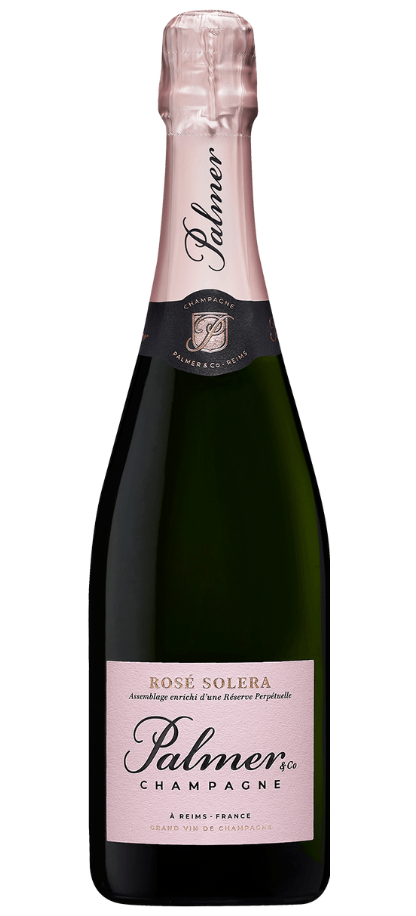
Champagne Palmer & Co Brut Rose “Solera” NV
77.09 €
Add to cart -
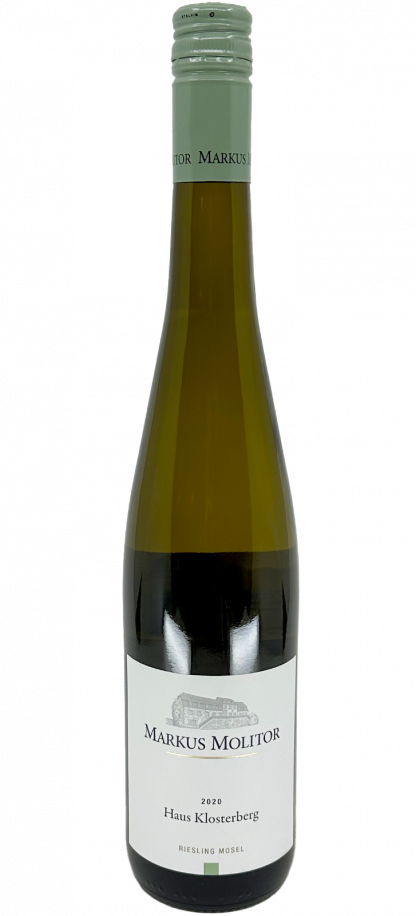
Markus Molitor Riesling “Haus Klosterberg” Feinherb 2022
21.20 €
Add to cart -
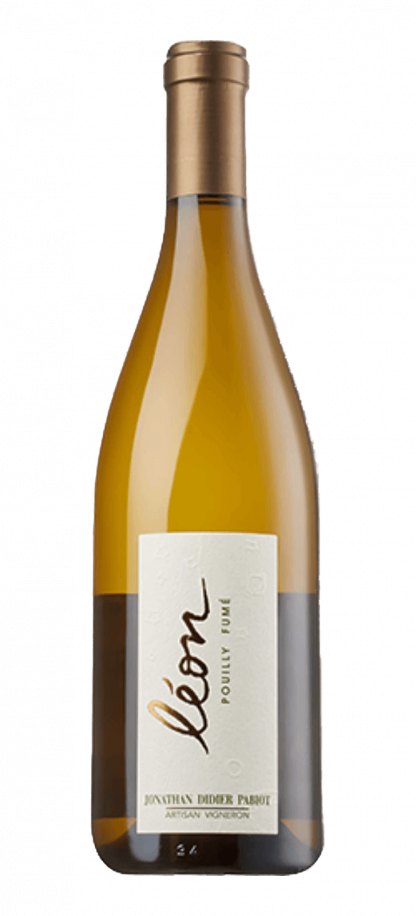
Jonathan Didier Pabiot “Leon” Pouilly-Fume 2023
34.80 €
Add to cart -
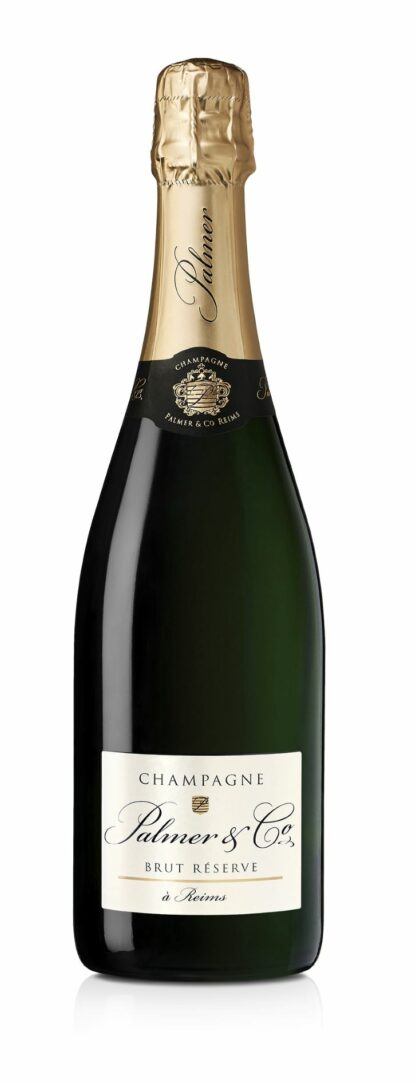
Champagne Palmer & Co Brut “Reserve” NV 0,375l
Original price was: 36.16 €.36.16 €Current price is: 36.16 €.
Add to cart -
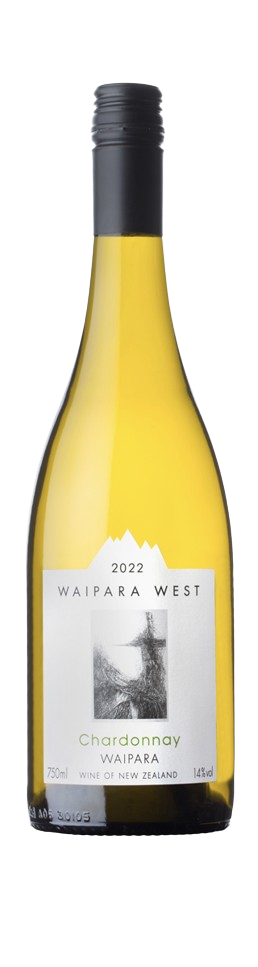
Waipara West Chardonnay 2019
38.00 €
Add to cart -
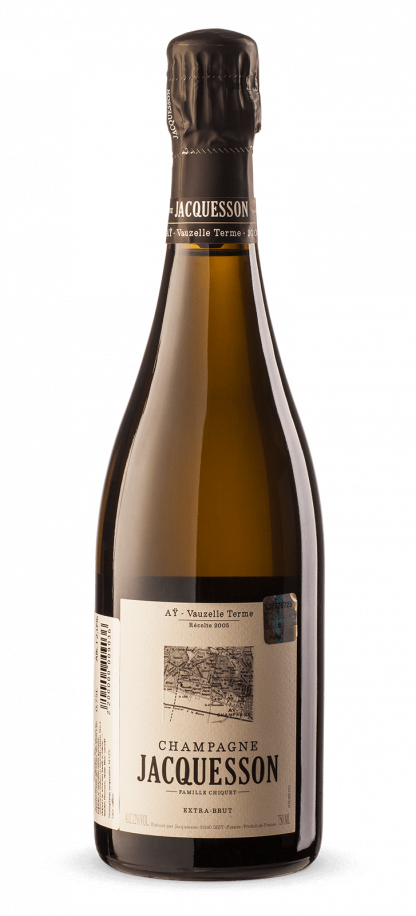
Jacquesson Extra-Brut Blanc de Noirs “Ay Vauzelle Terme” 2013
261.00 €
Add to cart -
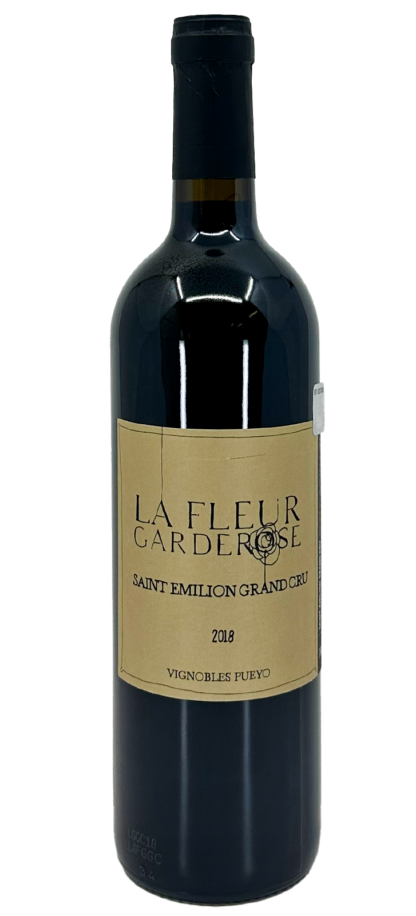
Vignobles Pueyo “Fleur Garderose” St.Emilion Grand Cru 2018
44.60 €
Add to cart
Cabernet Sauvignon
Cabernet Sauvignon wines shows a strong body, high acidity and high levels of tannins. A bouquet is very intensive, with black berries and spices. Very often these wines has great aging potential.
Bordeaux
Bordeaux wines are considered to be the most prestige and renowned in the world. The region is mainly known for its dry red wines made from Cabernet Sauvignon, Cabernet Franc and Merlot grapes, and one can almost always find the word Château (French for „castle”) on Bordeaux wine labels. In order to understand the style of wine most desirable for your taste, it is recommended to try different samples from the Left as well as the Right Bank of The Gironde. Both banks differ not only with different soil, but also with the share of specific wines. There are several classifications in Bordeaux but the main one, introduced in 1855, hasn’t changed since and still impacts wine prices nowadays. A few years later, in 1936, an alternative classification system - Crus Bourgeois - was established. Bordeaux is known for a commerce praxis called en primeur - it means that a buyer can purchase wines immediately after harvest and prior to production for a substantially lower price, thus obtaining the opportunity to sell them for a larger profit later in the future. Bordeaux wines can be described as big, complex and with a strong character, but very friendly at the same time so that each and every wine lover could find something tasty and suitable for a great wine night.