


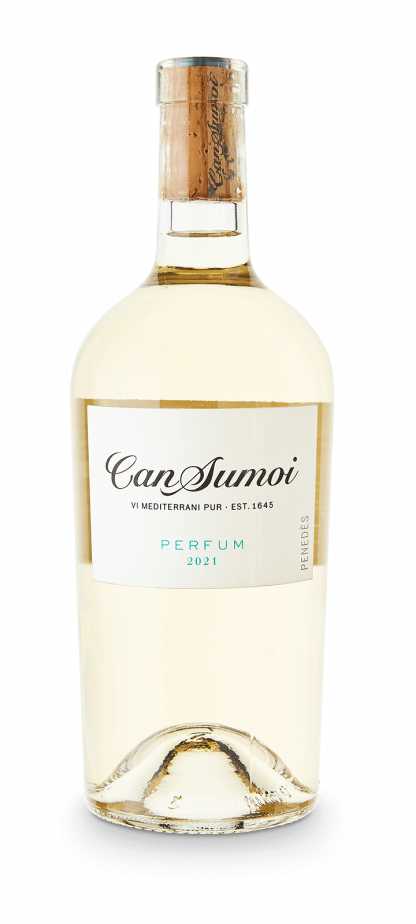

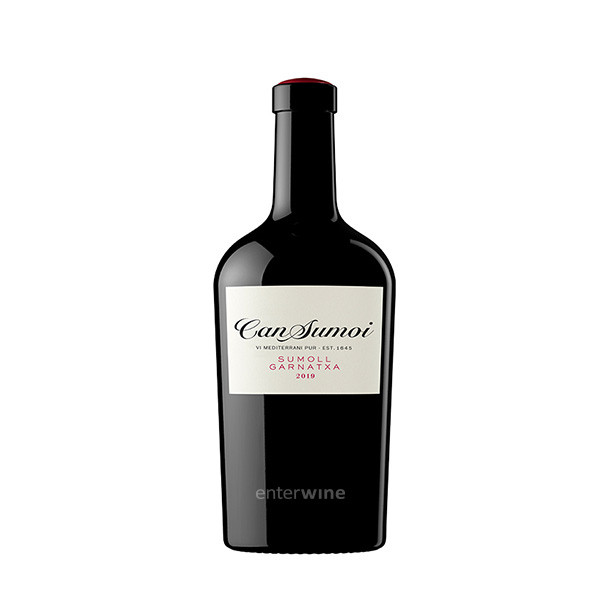
Can Sumoi Catalunya “Garnatxa Negre” 2023

Garnacha & Sumoll | Catalunya | Spain | Red Wine | Can Sumoi | 2023 | 0,75 L | 13 %
About
This is a dry red wine, a blend of Sumoll (≈60 %) and Garnatxa/Garnacha, from the DO Penedès, Catalonia, Spain. Hand-picked from organic biodynamic vineyards, fermented unfiltered and unstabilized. Refreshing acidity, mineral character and a slightly bitter finish. Serve chilled at 12–14 °C.
Producer
Pepe Raventós is the current owner of the excellent house that produces Cava, already in the 21st generation. Can Sumoi is a Pepe's new project that cultivates the best family traditions in relation to vines and land. The Can Sumoi property is in the heart of the Penedés region. It dates back to 1645 and is located at an altitude of 600 m overlooking the Serra de l'Home in the eastern Mediterranean. The ancient and unique soils here are planted with local grape varieties.
Tasting notes
Dry, medium-bodied red with notable freshness and refined minerality. Aromas of wild berries, red fruits, and subtle Mediterranean herbs. The palate delivers crisp berry fruit, savory undertones, with a slightly bitter hint on the finish. Smooth and well-balanced.
Pairing
Can Sumoi is a project of Raventós i Blanc based in the Penedès region of Catalonia. The team practices organic and biodynamic farming on stony, limestone soils at about 600 m elevation. The wines are produced with minimal intervention: no filtration or stabilization, very low sulfur (≤30 mg/l), indigenous yeast fermentations, and native grape varieties
9 in stock
Wine Searcher review
91/100
Related products
-
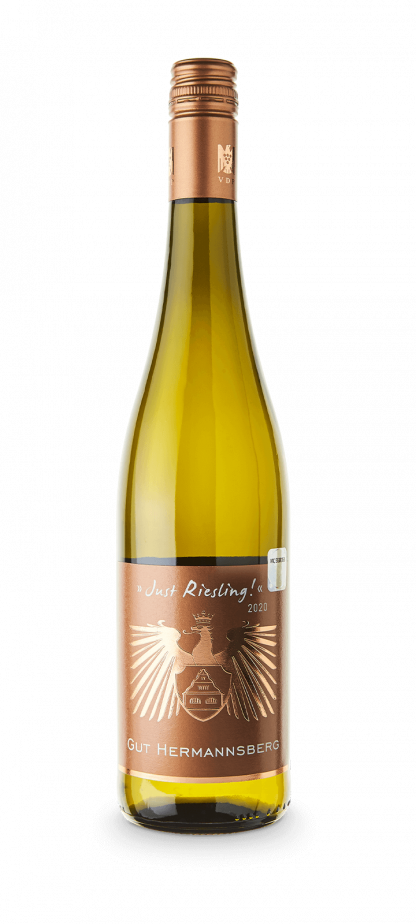
Hermannsberg Riesling Trocken 2021
 21.00 €
Add to cart
21.00 €
Add to cart -
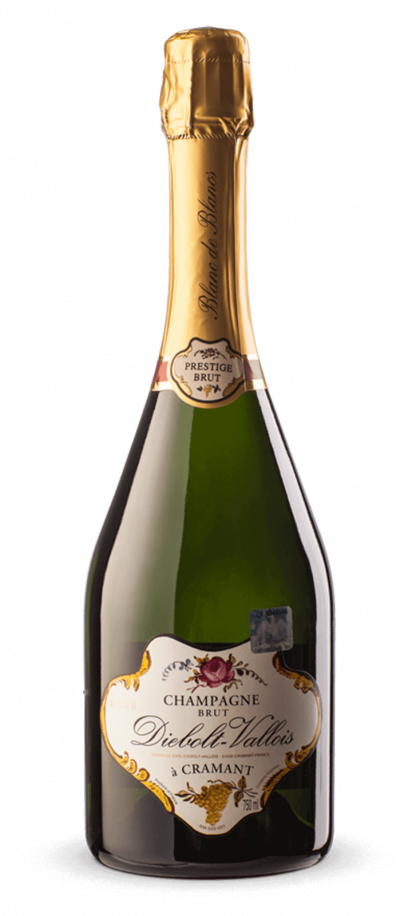
Diebolt-Vallois Blanc de Blancs “Prestige”
 Original price was: 63.00 €.63.00 €Current price is: 63.00 €.
Add to cart
Original price was: 63.00 €.63.00 €Current price is: 63.00 €.
Add to cart -
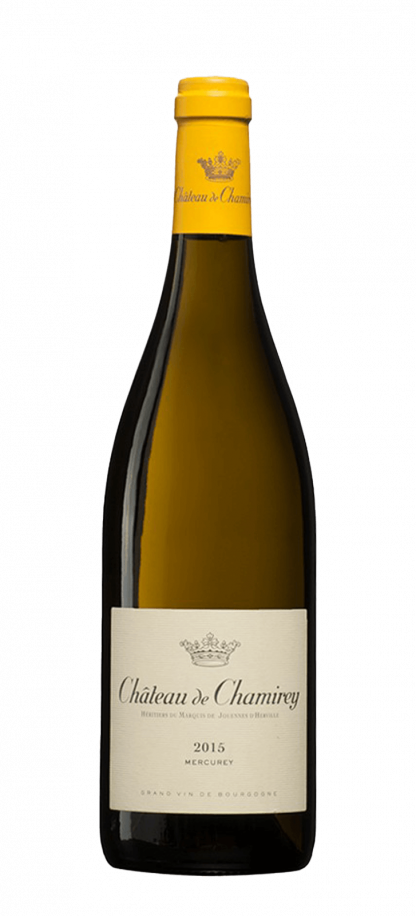
Chateau de Chamirey Mercurey 2021 Blanc
40.40 €
Add to cart -
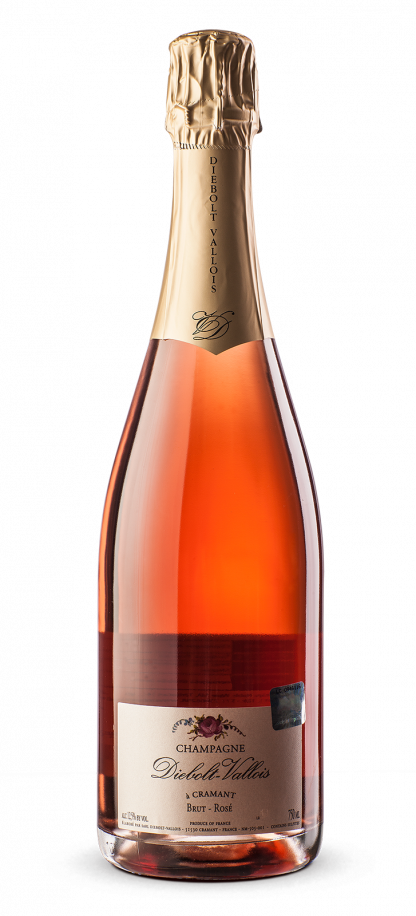
Diebolt-Vallois Brut Rose NV
Original price was: 57.19 €.57.19 €Current price is: 57.19 €.
Add to cart -
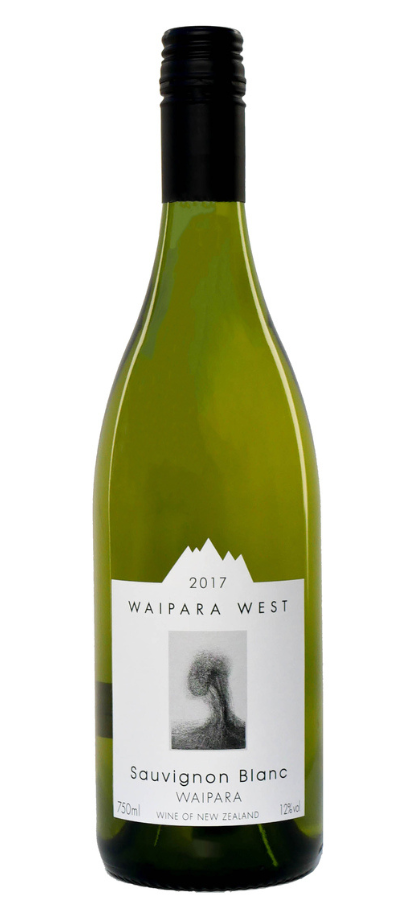
Waipara West Sauvignon Blanc 2023
Original price was: 23.70 €.21.33 €Current price is: 21.33 €.
Add to cart -
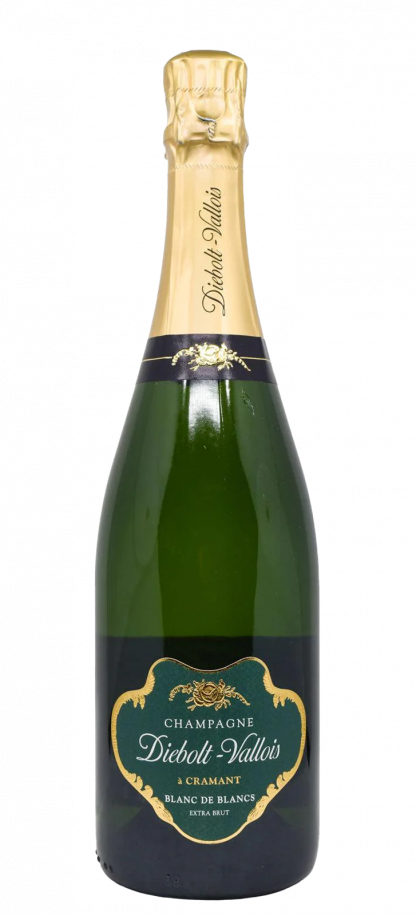
Diebolt-Vallois Brut Blanc de Blancs NV
Original price was: 53.45 €.53.45 €Current price is: 53.45 €.
Add to cart -
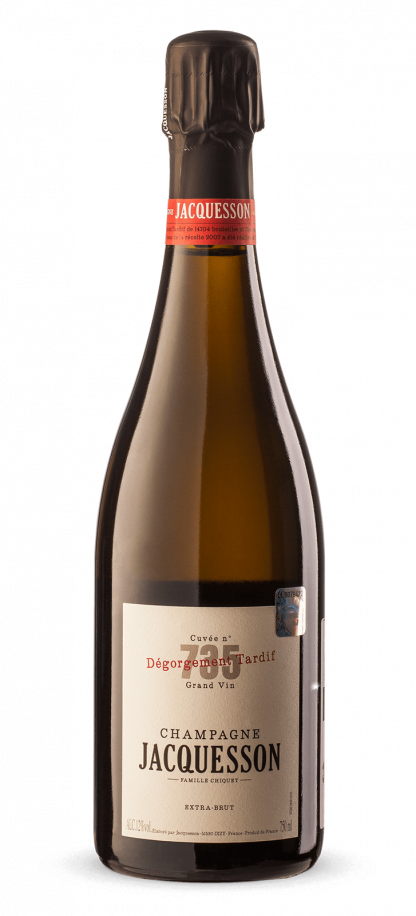
Jacquesson Extra-Brut “Cuvee 740 D.T.”
Original price was: 125.72 €.125.72 €Current price is: 125.72 €.
Add to cart -
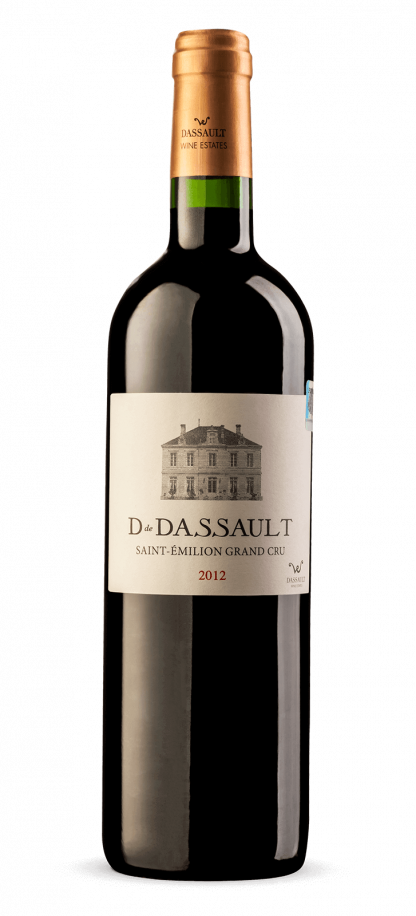
Chateau Dassault “D de Dassault” St. Emilion 2016
41.90 €
Add to cart -
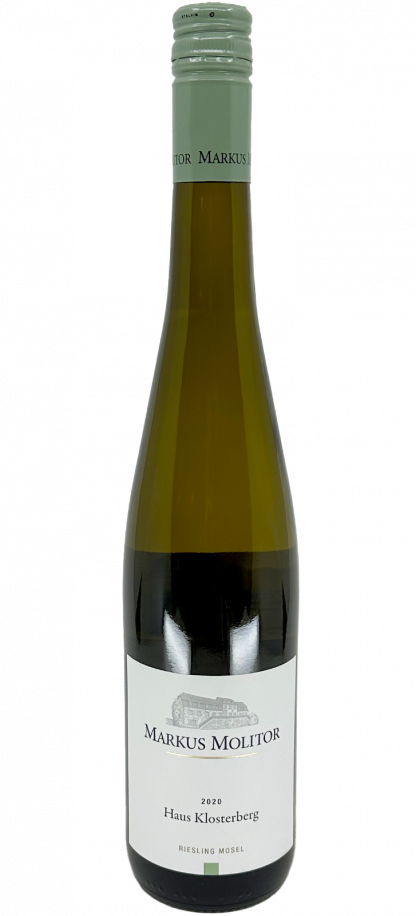
Markus Molitor Riesling “Haus Klosterberg” Feinherb 2022
20.20 €
Add to cart -
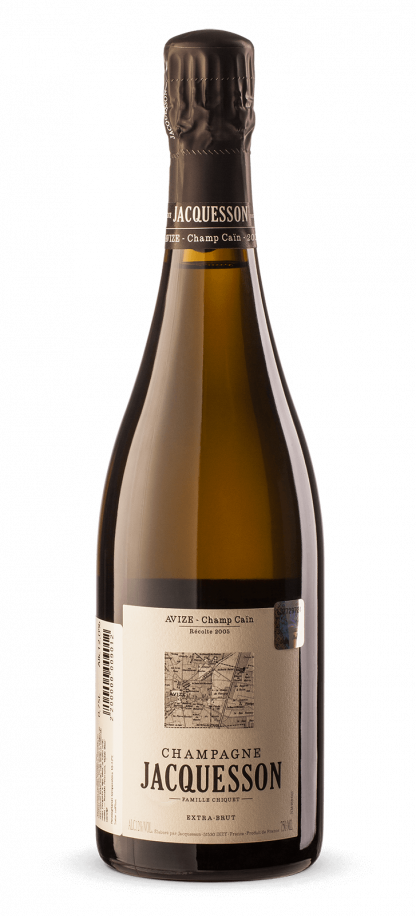
Jacquesson Blanc de Blancs “Avize Champ Cain” 2013
226.00 €
Add to cart -
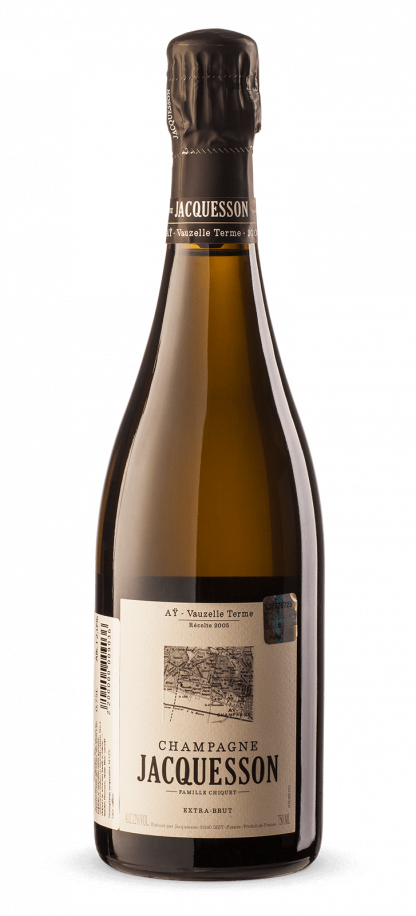
Jacquesson Extra-Brut Blanc de Noirs “Ay Vauzelle Terme” 2013
261.00 €
Add to cart -
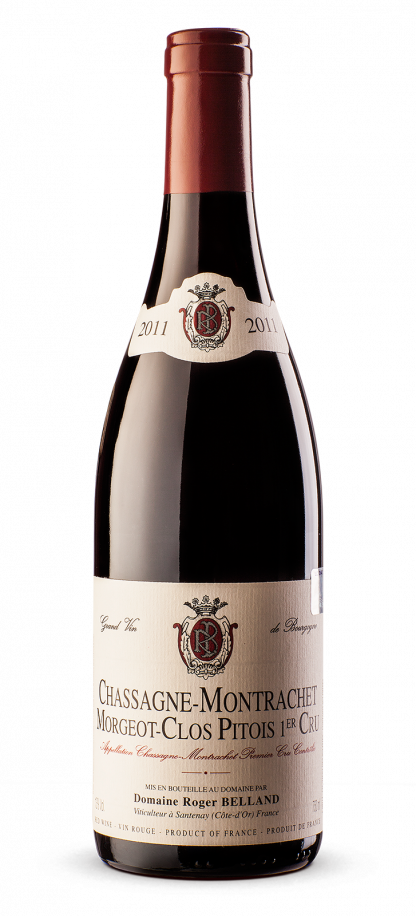
Roger Belland Chassagne-Montrachet “Clos Pitois” 2022
75.20 €
Add to cart -
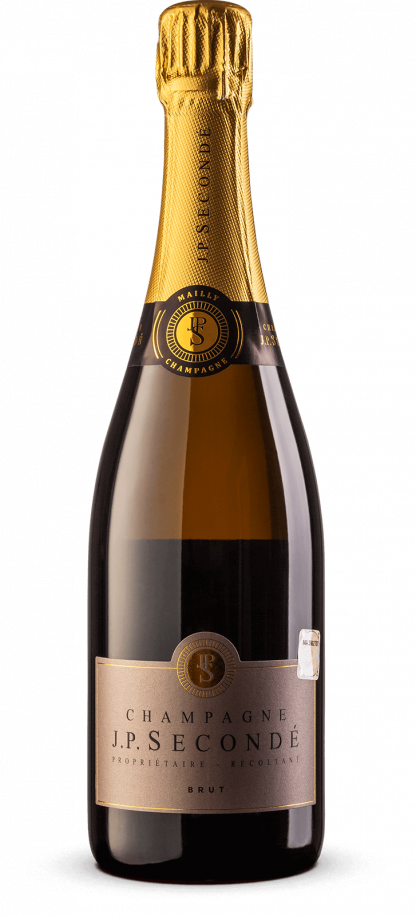
J.P. Seconde Brut “Tradition” 0,375l
Original price was: 29.00 €.29.00 €Current price is: 29.00 €.
Add to cart -
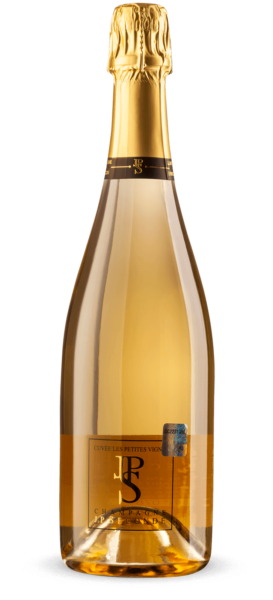
J.P. Seconde Blanc de Noirs “Les Petit Vignes”
Original price was: 56.00 €.47.60 €Current price is: 47.60 €.
Add to cart -
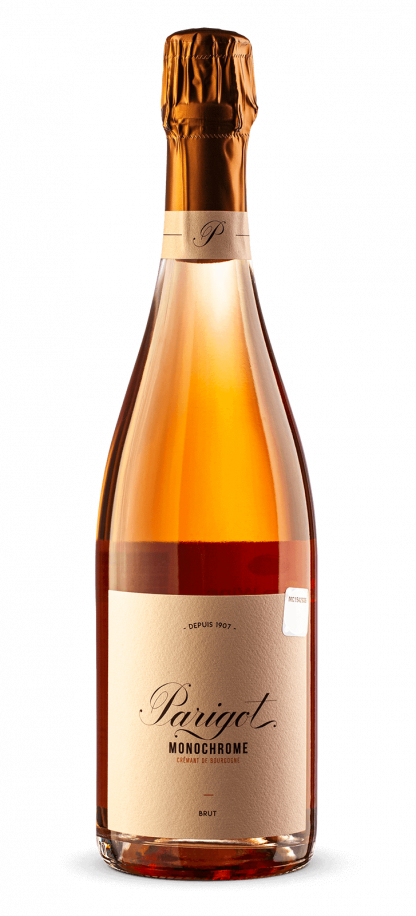
Parigot Monochrome Brut Rose NV
Original price was: 29.90 €.29.90 €Current price is: 29.90 €.
Add to cart -
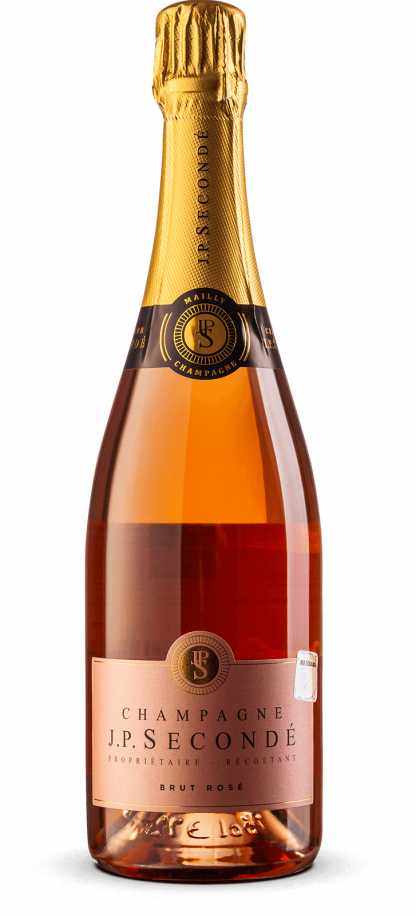
J.P. Seconde “Tradition” Brut Rose
Original price was: 45.00 €.45.00 €Current price is: 45.00 €.
Add to cart
Garnacha
Garnacha produces concentrated wines with a bright character, strong structure, high alcohol level and excellent aging potential. Garnacha's aroma is a balance between floral and fruity notes.
Catalunya
In Catalonia, DO status was first created in 1999, and it became the first regional production area in Spain, which united all vineyards not included in any of the 11 existing DOs at that time. The capital of Catalonia is Barcelona, the second largest city in Spain with one of the largest ports in the Mediterranean. Its seaside location has certainly contributed to the development of local winemaking. Catalonia has a wide variety of winemaking traditions. It is believed that the skills of viticulture were first introduced by the Phoenicians and Greeks around 400 BC. e. The Romans then expanded viticulture and the industry flourished until the Moorish occupation. Then the vineyards were abandoned or given for other purposes. Later Christians revived viticulture in the territories adjacent to the monasteries. Until the end of the 18th century, wine and spirits were among the most important exports in the region. Since then, Catalonia has established itself as a dynamically developing wine region.