


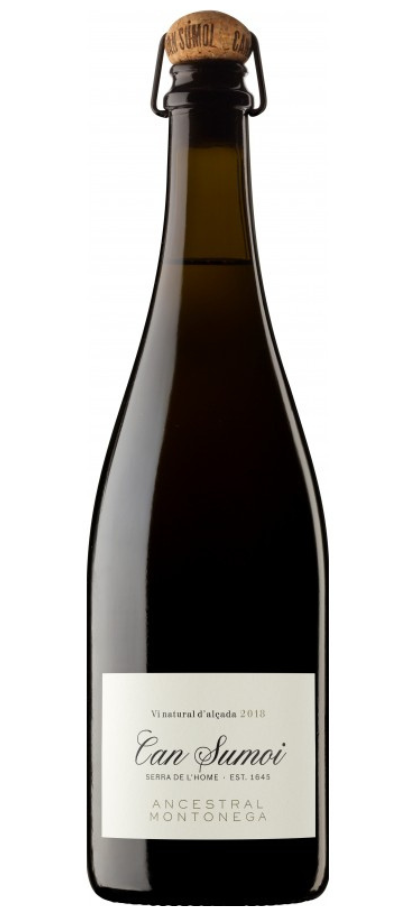
Can Sumoi Catalunya “Ancestral Montonega” 2024

Parellada | Catalunya | Spain | Sparkling Wine | Can Sumoi | 2024 | 0,75 L | 10,5 %
About
Can Sumoi Catalunya “Ancestral Montònega” 2024 is a dry sparkling wine (a petillant naturel) made from the native Montònega grape (Parellada) in the high-altitude vineyards of the Montmell mountains, Baix Penedès region of Catalonia, Spain. Crafted with minimal intervention using the ancestral method, this organic wine reflects the stony, calcareous soils, cool mountain climate, and biodiverse terroir of its origin.
Producer
Pepe Raventós is the current owner of the excellent house that produces Cava, already in the 21st generation. Can Sumoi is a Pepe's new project that cultivates the best family traditions in relation to vines and land. The Can Sumoi property is in the heart of the Penedés region. It dates back to 1645 and is located at an altitude of 600 m overlooking the Serra de l'Home in the eastern Mediterranean. The ancient and unique soils here are planted with local grape varieties.
Tasting notes
On the nose, it offers fragrant aromas of white fruits, citrus blossoms, and delicate floral notes with a subtle herbal edge. The palate is fresh and lively, with creamy, fine bubbles and a refined saline-mineral character that evokes the Mediterranean mountain landscape. A tart, elegantly textured finish brings together crisp apple and lemon nuances with gentle savory undertones
Pairing
Ancestral Montònega 2024 pairs beautifully with light seafood such as sushi or white fish appetizers, as well as with fresh cheeses or shellfish. Its bright acidity and subtle salinity also make it a refreshing aperitif or an excellent companion to spring-time garden dishes
7 in stock
Related products
-
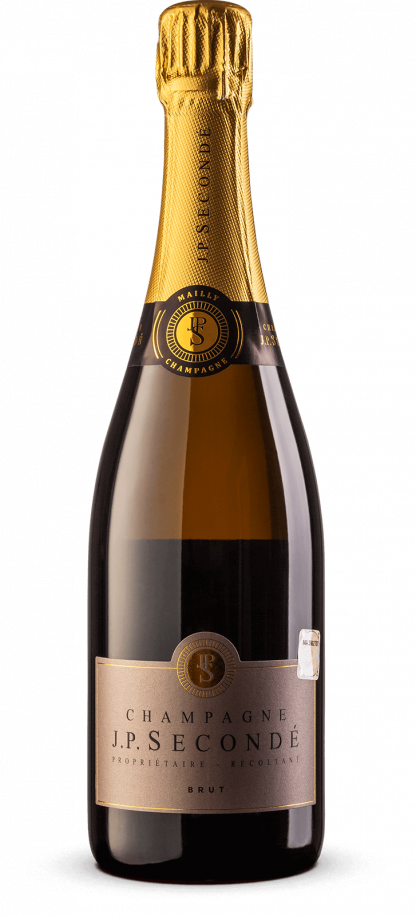
J.P. Seconde Brut “Tradition” 0,375l
Original price was: 29.00 €.29.00 €Current price is: 29.00 €.
Add to cart -
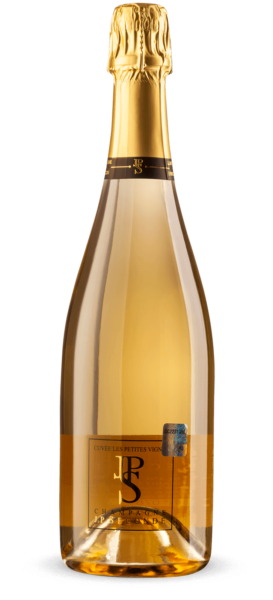
J.P. Seconde Blanc de Noirs “Les Petit Vignes”
Original price was: 56.00 €.47.60 €Current price is: 47.60 €.
Add to cart -
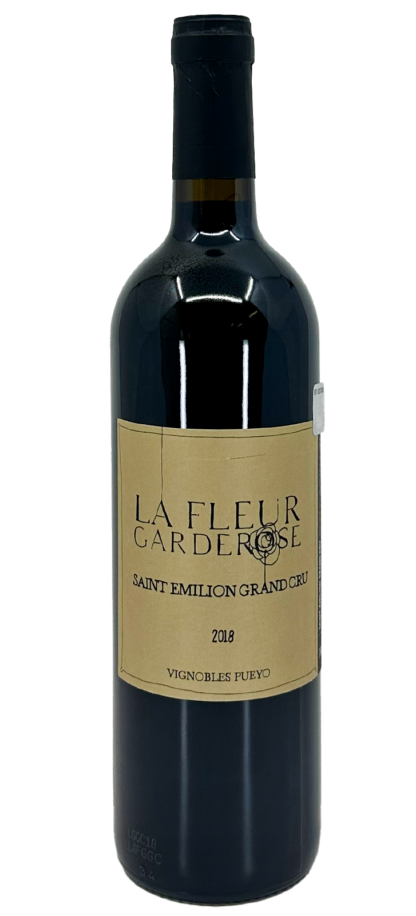
Vignobles Pueyo “Fleur Garderose” St.Emilion Grand Cru 2018
 44.60 €
Add to cart
44.60 €
Add to cart -
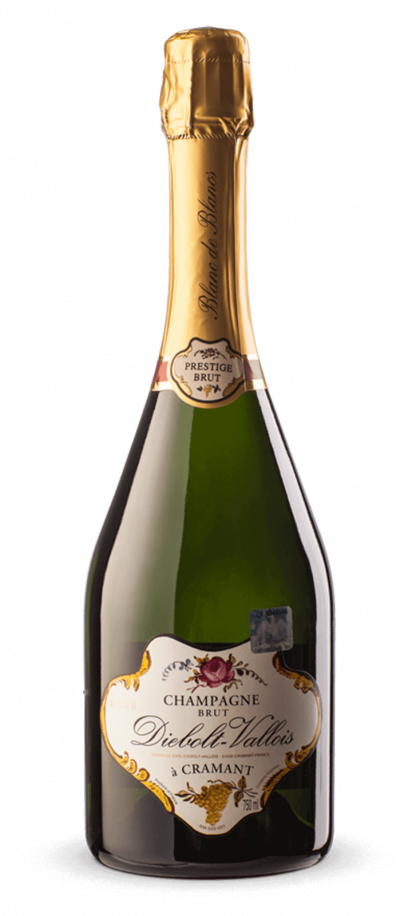
Diebolt-Vallois Blanc de Blancs “Prestige”
Original price was: 63.00 €.63.00 €Current price is: 63.00 €.
Add to cart -
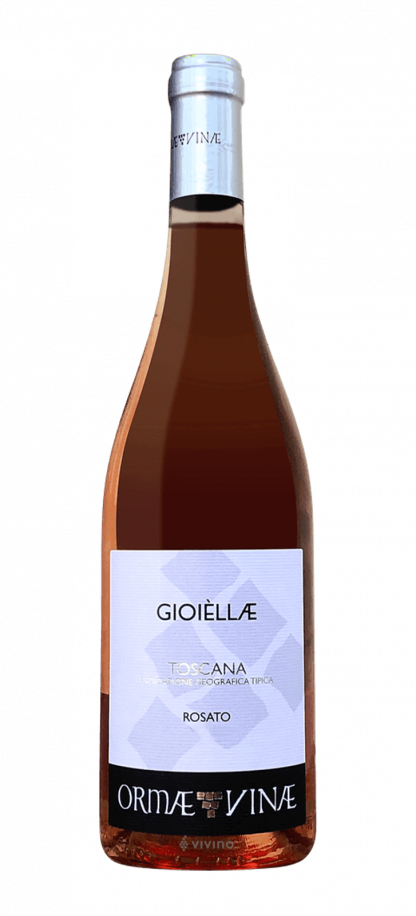
Ormae Vinae “Gioiellae” Toscana IGT 2020
 24.10 €
Add to cart
24.10 €
Add to cart -
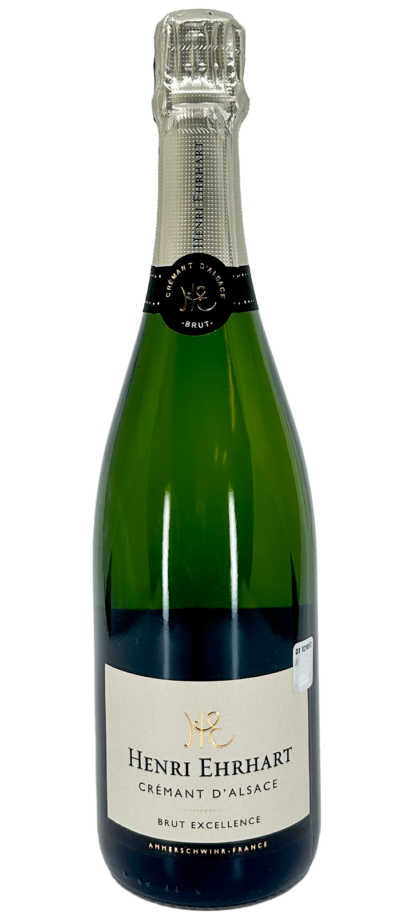
Henri Ehrhart Cremant d`Alsace “Brut” NV
Original price was: 18.00 €.18.00 €Current price is: 18.00 €.
Add to cart -

Champagne Palmer & Co Brut “Reserve” NV 0,375l
Original price was: 36.16 €.36.16 €Current price is: 36.16 €.
Add to cart -
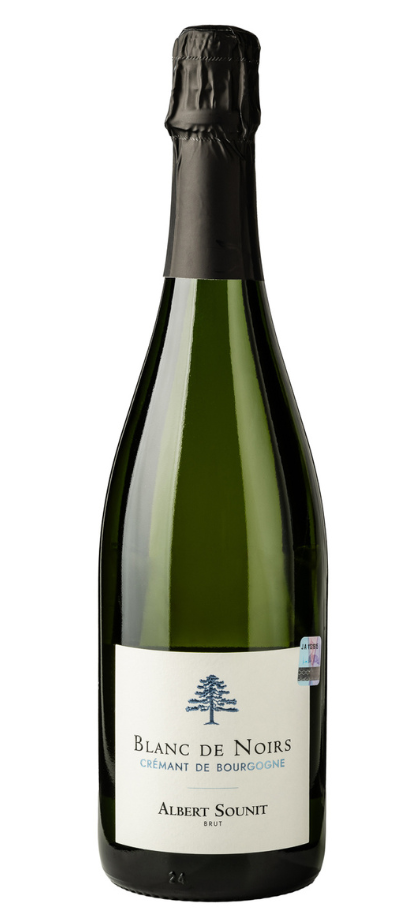
Albert Sounit Cremant Blanc de Noirs
Original price was: 30.00 €.25.50 €Current price is: 25.50 €.
Add to cart -
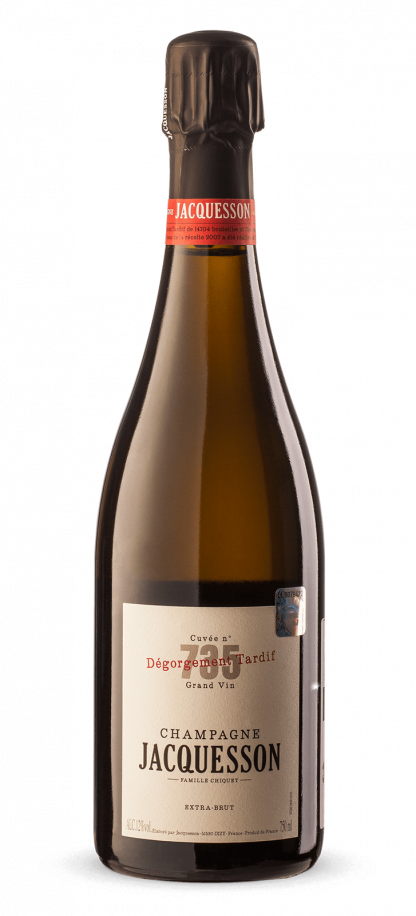
Jacquesson Extra-Brut “Cuvee 740 D.T.”
Original price was: 125.72 €.125.72 €Current price is: 125.72 €.
Add to cart -
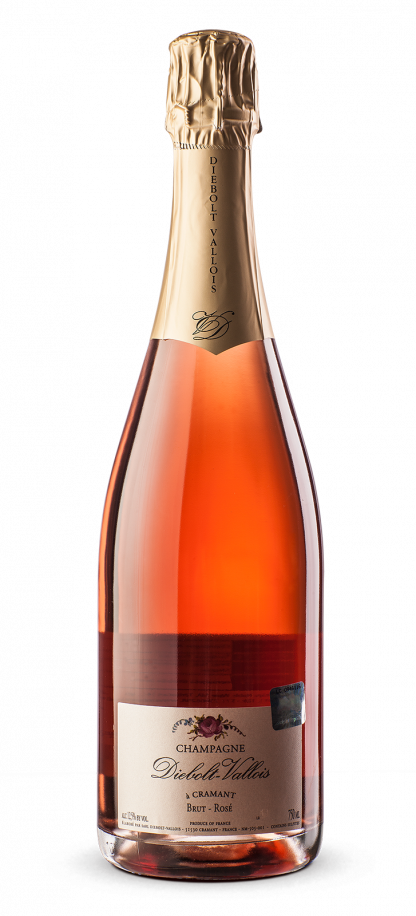
Diebolt-Vallois Brut Rose NV
Original price was: 57.19 €.57.19 €Current price is: 57.19 €.
Add to cart -
J.P. Seconde Brut “Tradition”
Original price was: 39.68 €.39.68 €Current price is: 39.68 €.
Add to cart -
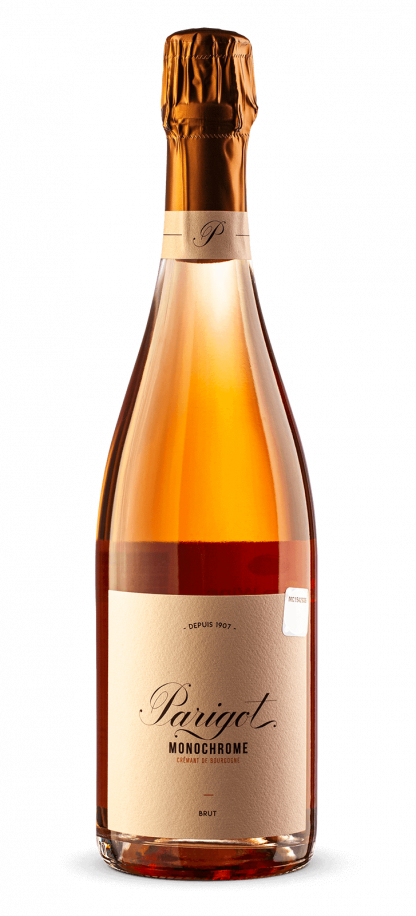
Parigot Monochrome Brut Rose NV
Original price was: 29.90 €.29.90 €Current price is: 29.90 €.
Add to cart -
Markus Molitor Riesling “Bernkasteler Lay” Spatlese Trocken 2021
 29.70 €
Add to cart
29.70 €
Add to cart -
Diebolt-Vallois Brut Blanc de Blancs NV
Original price was: 53.45 €.53.45 €Current price is: 53.45 €.
Add to cart -
“Le Crock” St.Estephe 2021
49.10 €
Add to cart -
Markus Molitor Riesling “Haus Klosterberg” Feinherb 2022
20.20 €
Add to cart
Parellada
Parellada brings to white wine refreshing acidity and aromas of flowers and green fruits. Often is used in blends for sparkling wine production.
Catalunya
In Catalonia, DO status was first created in 1999, and it became the first regional production area in Spain, which united all vineyards not included in any of the 11 existing DOs at that time. The capital of Catalonia is Barcelona, the second largest city in Spain with one of the largest ports in the Mediterranean. Its seaside location has certainly contributed to the development of local winemaking. Catalonia has a wide variety of winemaking traditions. It is believed that the skills of viticulture were first introduced by the Phoenicians and Greeks around 400 BC. e. The Romans then expanded viticulture and the industry flourished until the Moorish occupation. Then the vineyards were abandoned or given for other purposes. Later Christians revived viticulture in the territories adjacent to the monasteries. Until the end of the 18th century, wine and spirits were among the most important exports in the region. Since then, Catalonia has established itself as a dynamically developing wine region.