


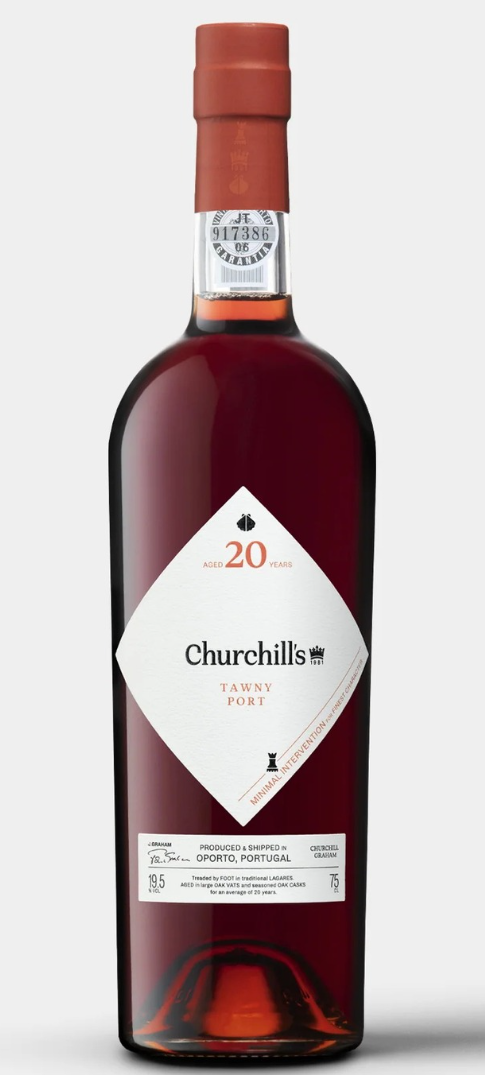
Churchill’s Port “20 YO Tawny” 0,75L
Tinta Barroca & Tinta Roriz & Tinto Cão | Port | Portugal | Fortified Wine | Churchill`s | N.V. | 0,75 L | 19,5 %
About
Churchill’s 20 Year Old Tawny is a sweet fortified wine (tawny port) crafted from a field blend of traditional Douro grape varieties—including Touriga Nacional, Touriga Franca, Tinta Roriz, Tinta Barroca, and Tinto Cão—grown in Portugal's renowned Douro region. Matured in seasoned oak casks for an average of 20 years, this port offers a refined balance of richness and elegance.
Producer
Churchill's Port has a distinct individual style of fortified wine that combines the skill of the winemaker, the quality of the grape varieties and the characteristics of a particular terroir. John Graham founded Churchill’s in 1981, and at the time it was the first new port wine venture in fifty years. He wanted to continue the old traditions of his family for the production of port, but at the same time create a port with a unique style. The company was named after his wife Caroline Churchill. “My ports are made with the greatest possible amount of natural fermentation and the least possible use of brandy for fixing. I love to make wines in the most natural way possible. Most of all I strive for balance. I believe that Churchill's ports have managed to achieve this. We are fully confident in the main characteristics of our style, which are easily recognizable, ”said John Graham.
Tasting notes
This tawny port displays a delicate pale red hue with a golden rim, offering refined aromas of almonds and red Moreno cherries. On the palate, it is savoury and rich while retaining structure and freshness, creating an elegant fusion of age and finesse with a long, uplifting finish. Additional layers reveal toffee, caramel, nut shell, and dried apricots, complemented by hints of milk chocolate and orange jam, resulting in a full-bodied and harmonious experience.
Pairing
This tawny port pairs beautifully with dried fruits, roasted almonds, and mature cheeses, enhancing both its nutty elegance and rich finish. It also complements spiced desserts like almond tart or fig cake, where its sweetness and savoury depth bring delightful balance.
3 in stock
Related products
-
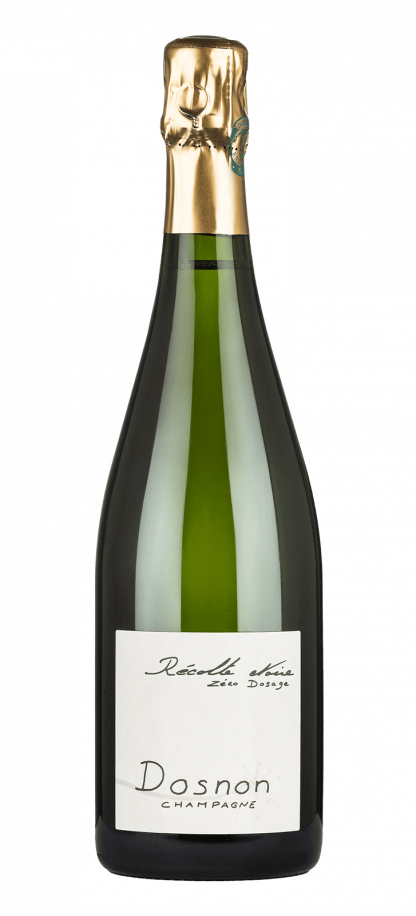
Dosnon Recolte Noire Zero Dosage NV
 Original price was: 68.00 €.57.80 €Current price is: 57.80 €.
Add to cart
Original price was: 68.00 €.57.80 €Current price is: 57.80 €.
Add to cart -
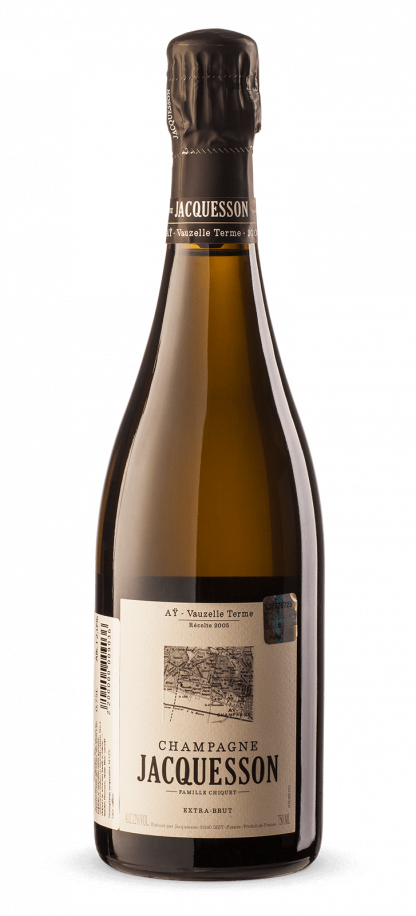
Jacquesson Extra-Brut Blanc de Noirs “Ay Vauzelle Terme” 2013
261.00 €
Add to cart -
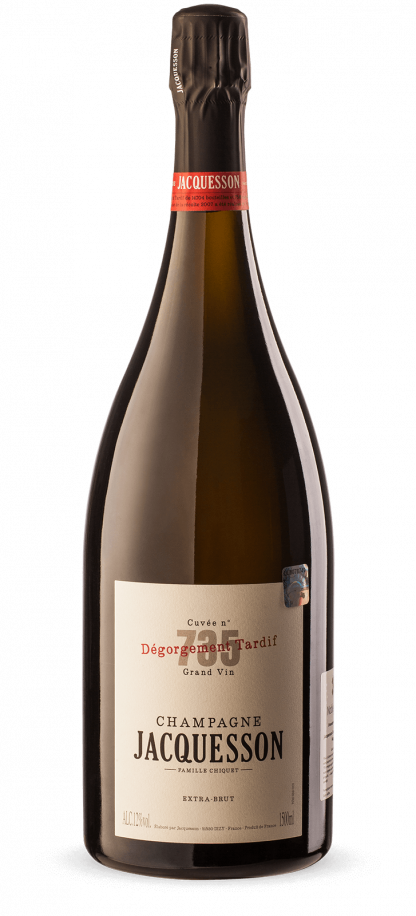
Jacquesson Extra-Brut “Cuvee 741 D.T.”
137.00 €
Add to cart -
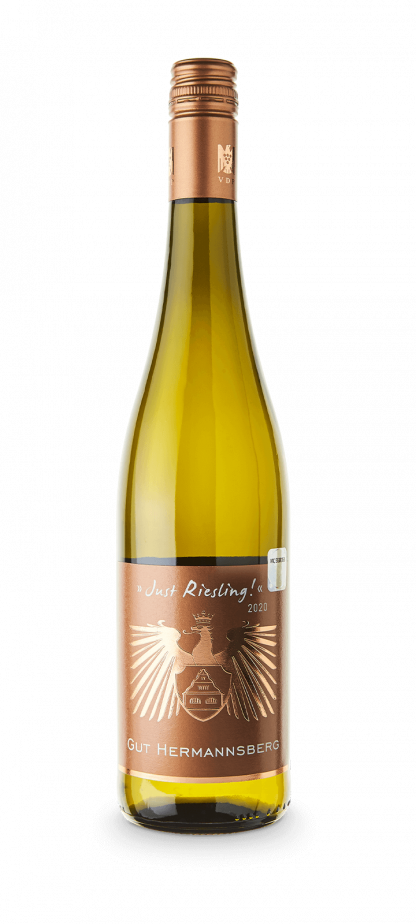
Hermannsberg Riesling Trocken 2021
 21.00 €
Add to cart
21.00 €
Add to cart -
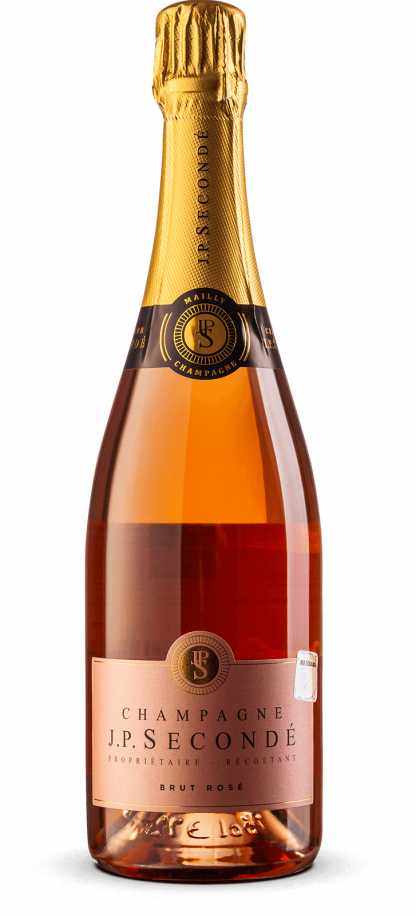
J.P. Seconde “Tradition” Brut Rose
Original price was: 45.00 €.38.25 €Current price is: 38.25 €.
Add to cart -
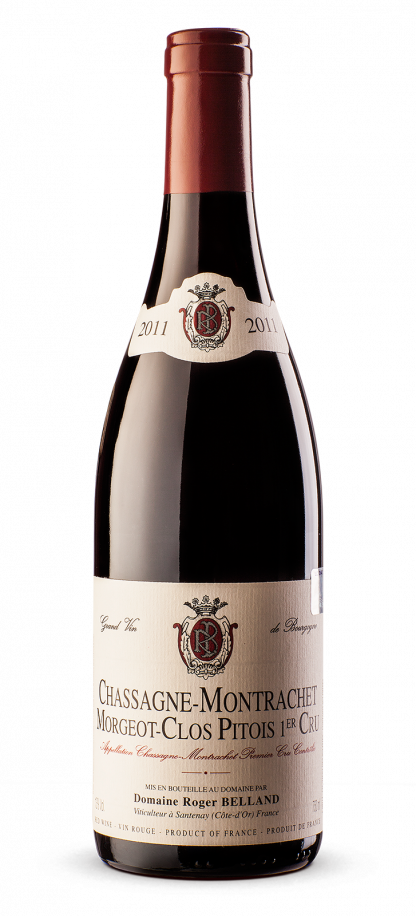
Roger Belland Chassagne-Montrachet “Clos Pitois” 2022
 75.20 €
Add to cart
75.20 €
Add to cart -
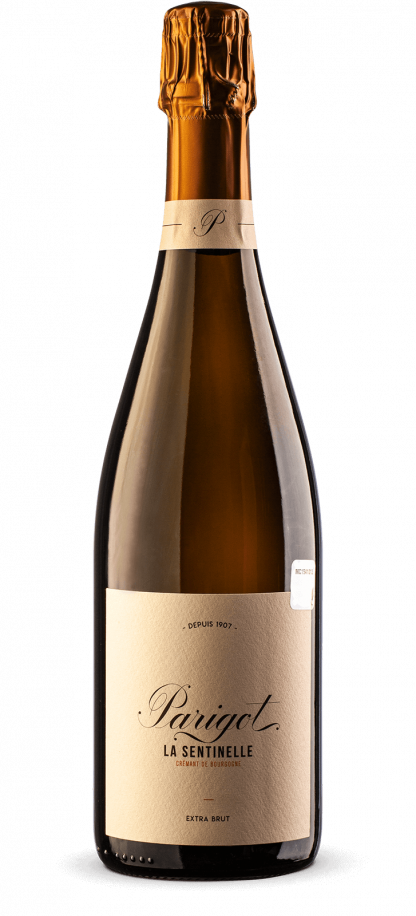
Parigot Blans de Blancs Extra Brut “La Sentinelle”
Original price was: 29.50 €.25.08 €Current price is: 25.08 €.
Add to cart -
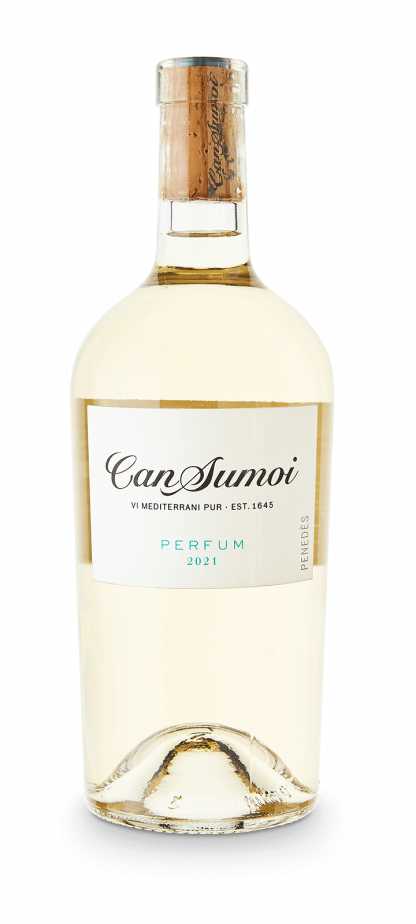
Can Sumoi Penedes “Perfum” 2021
20.30 €
Add to cart -
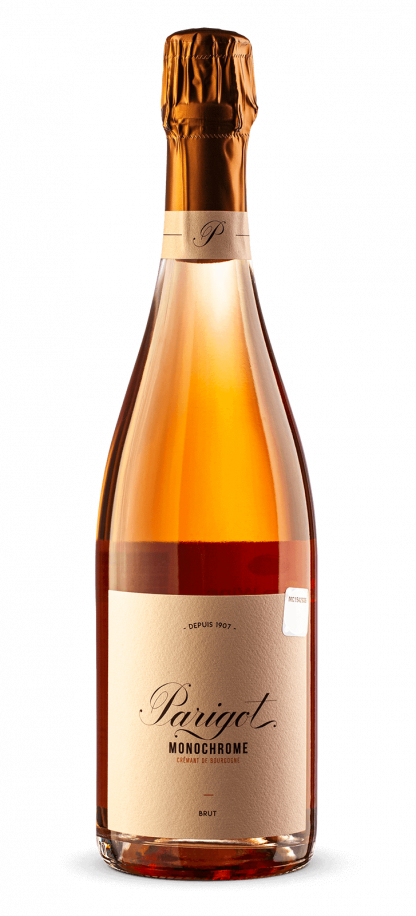
Parigot Monochrome Brut Rose NV
Original price was: 29.50 €.25.08 €Current price is: 25.08 €.
Add to cart -
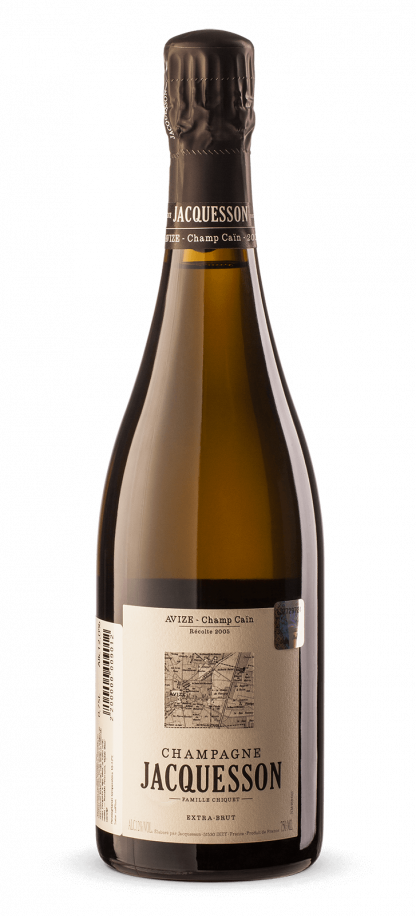
Jacquesson Blanc de Blancs “Avize Champ Cain” 2013
226.00 €
Add to cart -
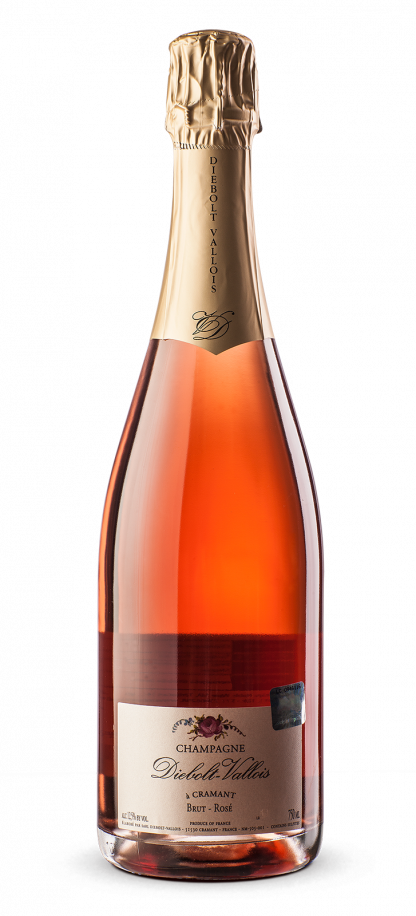
Diebolt-Vallois Brut Rose NV
Original price was: 57.00 €.48.45 €Current price is: 48.45 €.
Add to cart -
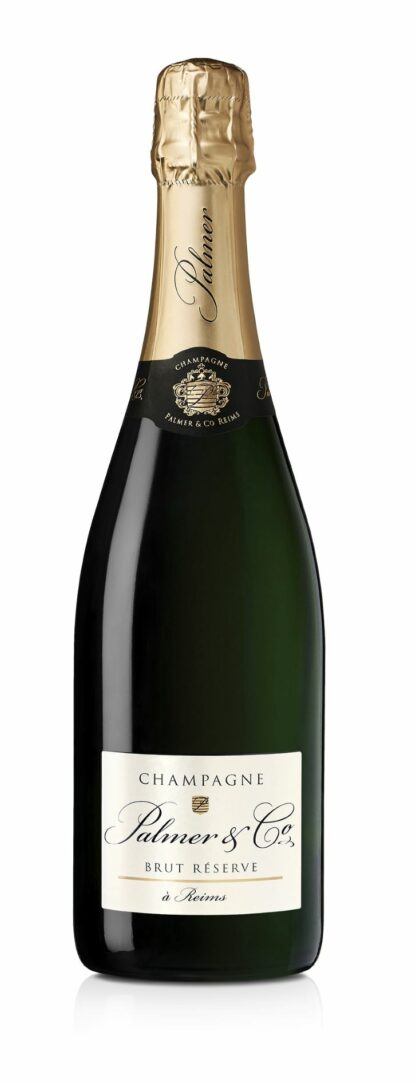
Palmer & Co Brut “Reserve” NV 0,375l
Original price was: 36.00 €.30.60 €Current price is: 30.60 €.
Add to cart -
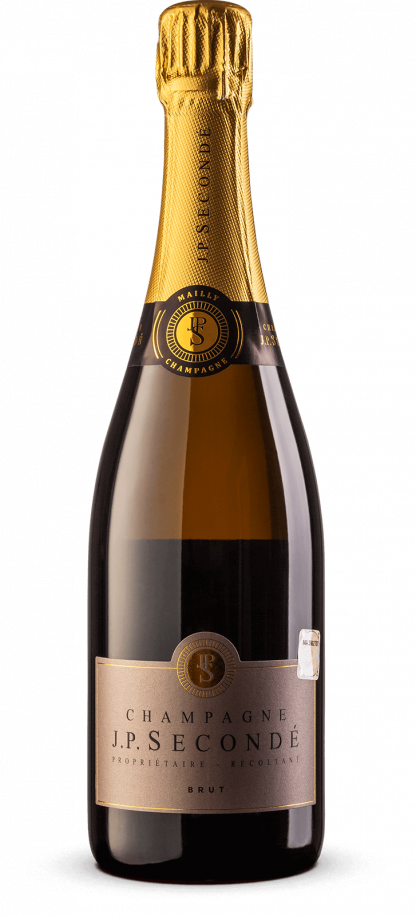
J.P. Seconde Brut “Tradition” 0,375l
Original price was: 29.00 €.24.65 €Current price is: 24.65 €.
Add to cart -
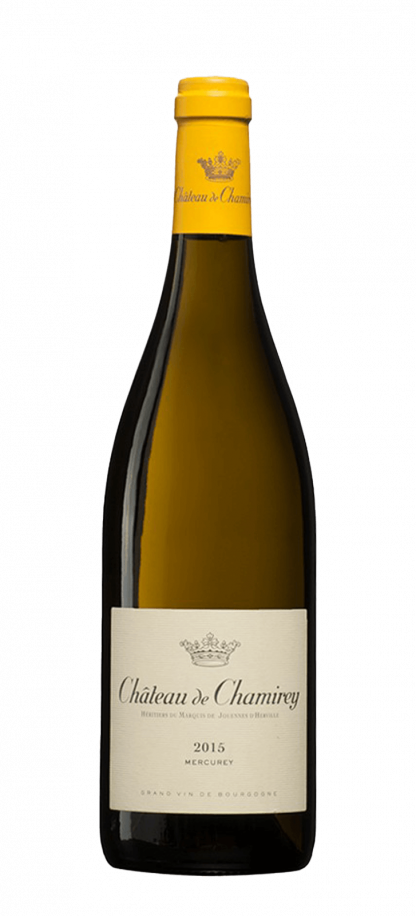
Chateau de Chamirey Mercurey 2021 Blanc
40.40 €
Add to cart -
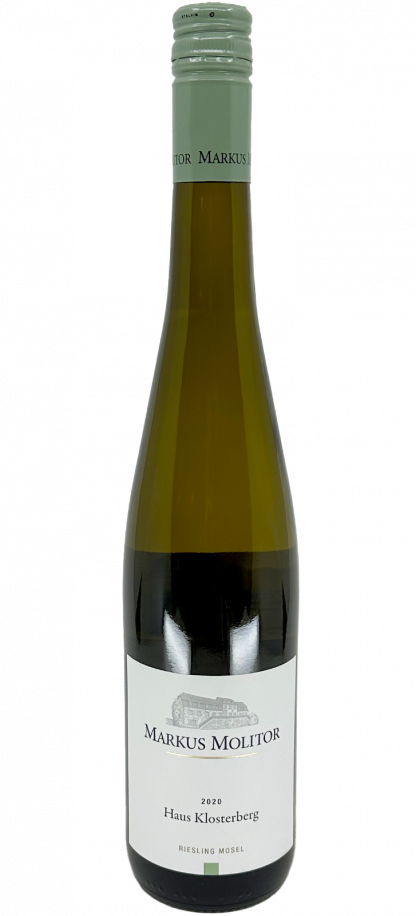
Markus Molitor Riesling “Haus Klosterberg” Feinherb 2022
20.20 €
Add to cart -
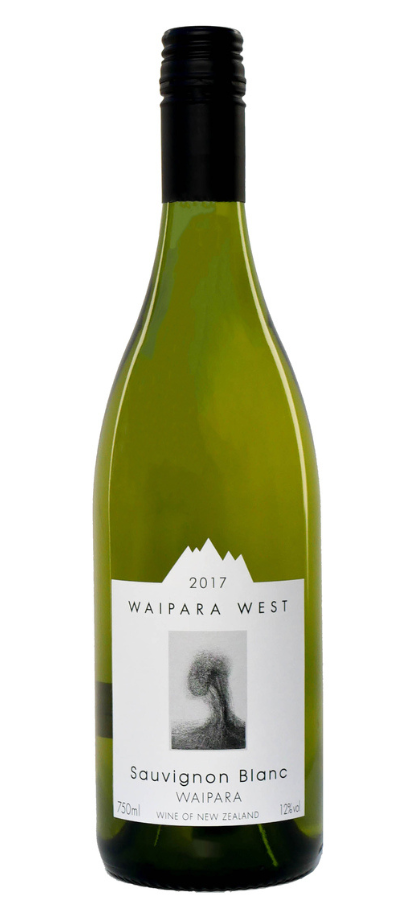
Waipara West Sauvignon Blanc 2023
23.70 €
Add to cart
Churchill's
Churchill's Port has a distinct individual style of fortified wine that combines the skill of the winemaker, the quality of the grape varieties and the characteristics of a particular terroir. John Graham founded Churchill’s in 1981, and at the time it was the first new port wine venture in fifty years. He wanted to continue the old traditions of his family for the production of port, but at the same time create a port with a unique style. The company was named after his wife Caroline Churchill. “My ports are made with the greatest possible amount of natural fermentation and the least possible use of brandy for fixing. I love to make wines in the most natural way possible. Most of all I strive for balance. I believe that Churchill's ports have managed to achieve this. We are fully confident in the main characteristics of our style, which are easily recognizable, ”said John Graham.
Tinta Barroca
Tawny Port
Oporto (Porto), Portugal's second-largest city, is the spiritual home of Port wine. Located in northern Portugal, Oporto marks the point at which the Douro river flows into the Atlantic Ocean. Oporto has been of great historical importance to the European wine trade since the Anglo-Franco trade wars of the 17th century. During that time the London market developed a taste for the dark 'blackstrap' wines that were shipped out of the city. The old Oporto city center is a classified Unesco World Heritage Site.
Greater Oporto includes the historic city of Vila Nova de Gaia, on the southern banks of the Douro. Here, Port was traditionally shipped in casks down the Douro to be stored in lodges for aging until ready to export. Since the construction of hydroelectric dams further up the river, it is not possible for flat-bottomed barco rabelo boats to travel to and from the Port estates. Consequently, Port casks are now transported by truck, though the aging process remains unchanged.
In the early days, Port wines were dry and astringent, as brandy was added to the finished wine to stabilize it before it was shipped to London. The modern style of Port can be traced back to 1678, when the Abbot of Lamego was adding brandy to the wine before it had finished fermenting. By arresting fermentation, he could retain the natural sweetness of the ultra-ripe grapes and create a fortified wine capable of improving with age.
Over the next 50 years, the style became so popular that demand for Port spawned various imitations and shortcuts. One of the most famously documented liberties taken with Port production during that time was using elderberry juice to add depth of color and flavor to otherwise vapid wines. The practice was eventually outlawed and by 1756 regional boundaries and rules had been established to govern port production.
The year 1933 was important for the port trade: the Port Wine Shippers' Guild and the Port Wine Institute were established to promote and control the quality of exported wines. The Port Wine Institute started grading port estates based on their location, soil type, age of vines and grape varieties grown. Classifications ranging from A to F were awarded to each estate based on the final score. This system is still in place today, though now administered by the Instituto dos Vinhos do Douro e Porto (IVDP), established in 2003.