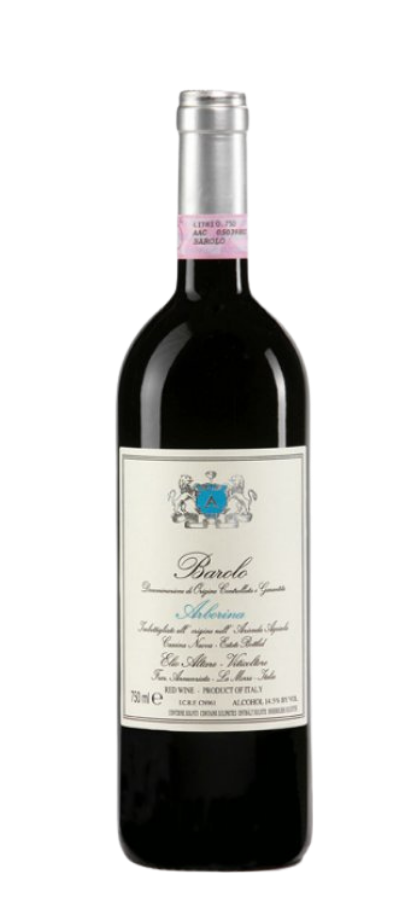
Elio Altare “Vigneto Arborina” Barolo DOCG 2022

SKU: ITPIALTWIRE575022 Category:
Nebbiolo | Piedmont | Italy | Red Wine | Elio Altare | 2022 | 0,75 L | 15,5 %

Sommelier recommends

“The nose reveals aromas of ripe red berries, plums, violets, and liquorice. The palate is rich with notes of red cherries, dried spices, and pepper. The tannins are soft and elegant, leading to a long, refined finish with lingering spice notes.” — Ronalds Pētersons, Sommelier at Noble Wine

24 in stock

124.90 €

  • Delivery in Riga — 19. - 20. November
  • Venipak courier — 20. - 23. November
  • Free in-store pickup — 19. - 19. November

Wine Searcher review

94/100 from 1 Critic Reviews

Elio Altare "Vigneto Arborina" Barolo DOCG 2022 Rosso is a prestigious dry red wine crafted from 100% Nebbiolo grapes grown in the Arborina vineyard in La Morra, within Piedmont's Barolo region. Arborina is one of La Morra's distinguished vineyard sites. Its limestone-rich clay soils contribute aromatic elegance, refined structure, and expressive minerality. The 2022 vintage offers concentrated red fruit, floral aromas, and sophisticated tannins. Careful oak maturation enhances complexity while preserving Nebbiolo's characteristic freshness.

Grandfather Giuseppe (Giuseppe Altare) arrived in Lamorra in 1948. Altares comes from the small town of Doljani; the farm in Lamorra was acquired only in the last century. At the time, it owned five hectares of vineyards with Nebbiolo, Barbera and Dolcetto vines, as well as an orchard with peach trees, hazelnuts and apple trees. Those were the times when orchards were more profitable than vineyards. It was not an easy time - the post-war economic crisis continued for many years. Elio Altare and some friends decided to go beyond the borders of Piedmont to learn more about the art of winemaking and to draw from the experience of the most successful wine regions. The first trip to Burgundy in January 1976 was a real revelation, and when he returned home, Elio clearly understood that a serious change was needed. He wasn't afraid of that: Elio handled the chainsaw like a knight's sword. First he cut down the fruit trees, then chopped the large wooden barrels of the wine cellar into firewood. So he made room for his first new, much smaller French-style wooden barrel - barrique. Elio's father Giovanni did not understand him. The son's radical methods were too different from his way of thinking. Giovanni, who came from an older generation that had seen poorer times, was unable to make these decisions; he felt it was a crime against common sense and the Italian winemaking tradition. The disagreement was so great that Giovanni and Elio stopped talking. Giovanni died in 1985, tragically leaving Elio out of his will. But Elio continued to work and in time was able to buy back the family winery and vineyards from his brothers and sisters. Elio remained steadfast then, and he remains so to this morning. He stubbornly decided to change the direction of the winery's development and give the family wine a new character, favoring elegance, sophistication and a balanced taste. Elio achieved this by following a strict regime in his vineyards and introducing new vinification and aging techniques in the wine cellar. The farm is still family owned and operated. Under Elio's management, 10 hectares of vineyards are cultivated, producing an average of 70,000 bottles of wine per year. Since 2003, Elio's eldest daughter Silvia has been working alongside her father, while the youngest, Elena, has moved to Germany, where she runs a wine import company.

The nose reveals ripe cherries, raspberries, rose petals, liquorice, and sweet spice notes. On the palate, the wine is elegant and concentrated, with a full body, fine-grained yet pronounced tannins, and vibrant acidity. The finish is long and mineral-driven, with nuances of red berries, tobacco, and spice.

An excellent match for beef fillet, braised lamb, duck breast, truffle risotto, and aged Parmigiano Reggiano. The wine’s structured tannins complement rich meat dishes, while its fresh acidity balances their intensity. Earthy and spicy nuances make it particularly appealing alongside truffles.

Grandfather Giuseppe (Giuseppe Altare) arrived in Lamorra in 1948. Altares comes from the small town of Doljani; the farm in Lamorra was acquired only in the last century. At the time, it owned five hectares of vineyards with Nebbiolo, Barbera and Dolcetto vines, as well as an orchard with peach trees, hazelnuts and apple trees. Those were the times when orchards were more profitable than vineyards. It was not an easy time - the post-war economic crisis continued for many years. Elio Altare and some friends decided to go beyond the borders of Piedmont to learn more about the art of winemaking and to draw from the experience of the most successful wine regions. The first trip to Burgundy in January 1976 was a real revelation, and when he returned home, Elio clearly understood that a serious change was needed. He wasn't afraid of that: Elio handled the chainsaw like a knight's sword. First he cut down the fruit trees, then chopped the large wooden barrels of the wine cellar into firewood. So he made room for his first new, much smaller French-style wooden barrel - barrique. Elio's father Giovanni did not understand him. The son's radical methods were too different from his way of thinking. Giovanni, who came from an older generation that had seen poorer times, was unable to make these decisions; he felt it was a crime against common sense and the Italian winemaking tradition. The disagreement was so great that Giovanni and Elio stopped talking. Giovanni died in 1985, tragically leaving Elio out of his will. But Elio continued to work and in time was able to buy back the family winery and vineyards from his brothers and sisters. Elio remained steadfast then, and he remains so to this morning. He stubbornly decided to change the direction of the winery's development and give the family wine a new character, favoring elegance, sophistication and a balanced taste. Elio achieved this by following a strict regime in his vineyards and introducing new vinification and aging techniques in the wine cellar. The farm is still family owned and operated. Under Elio's management, 10 hectares of vineyards are cultivated, producing an average of 70,000 bottles of wine per year. Since 2003, Elio's eldest daughter Silvia has been working alongside her father, while the youngest, Elena, has moved to Germany, where she runs a wine import company.
Nebbiolo wines tipically have rich, but elegant tannins, high acidity and unic scent – often characterized as "roses and tar". After a few years of vintage, most Nebbiolo wines begin fading from intensive ruby to a glorious brick orange color and developing flavors of mushroom, moss, leather and black pepper.
Barolo wines are the best Nebbiolo can offer - they are luxurious and sophisticated. At young age these wines show uncontrollable temper with sharp and high tannins and almost searing acidity, though already noticeable aromas of violets, red currant and licorice. With age the wine bouquet acquires the wealth and fullness deprived in its youth as the taste becomes more rounded, adding peppery tones and shades of red berries, but the aromas are replaced by flavors of tobacco, leather and tar. Barolo wines are worth saving for important occasions - they are excellent even after 20 years of aging.
Translated from Italian Piemonte means ''the foot of the mountain" which is evident by the region's location – the Piedmont region rests near the Alps which protect the region from cold winds. Nebbiolo is the king of grapes here – this exceptional variety is ideal for the production of wines with a high potential for aging like, for example, the world-famous fruity and balanced Barolo and Barbaresco.